Nori seaweed
Description
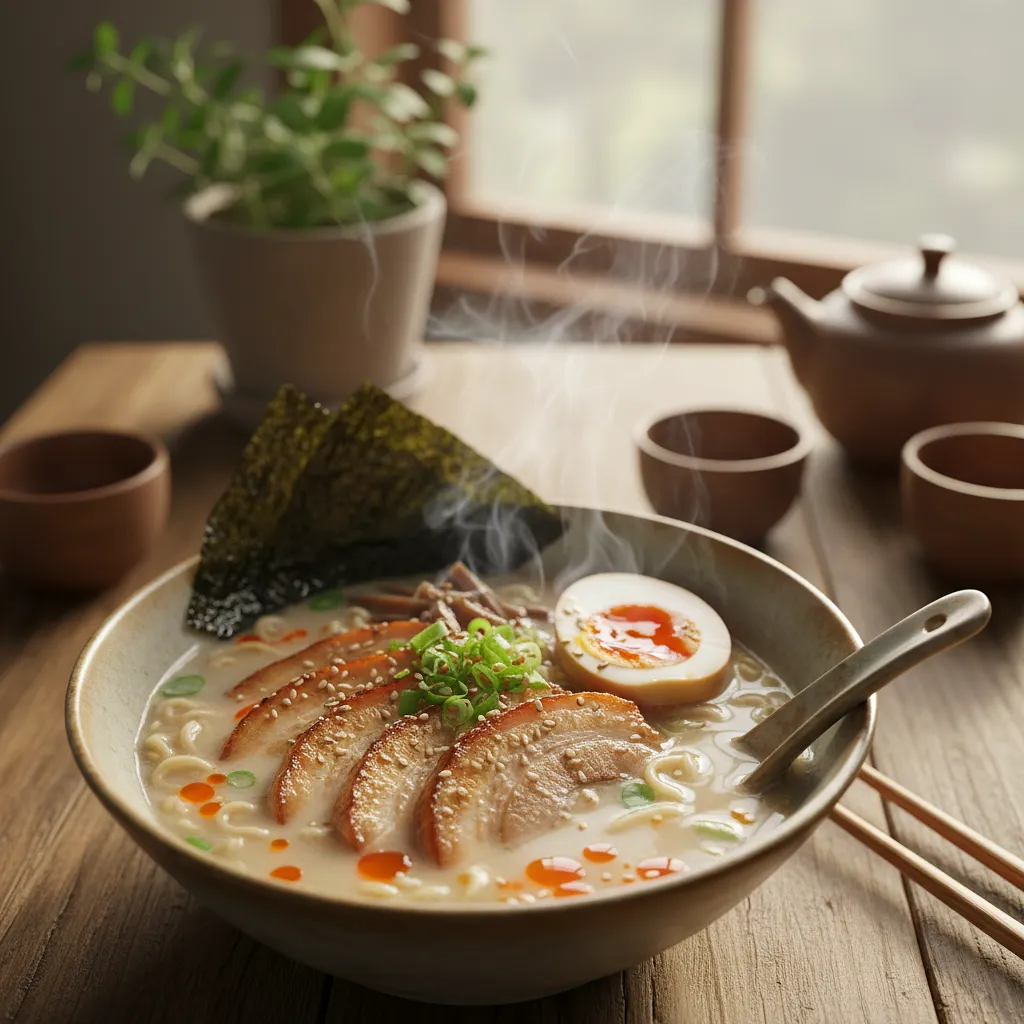
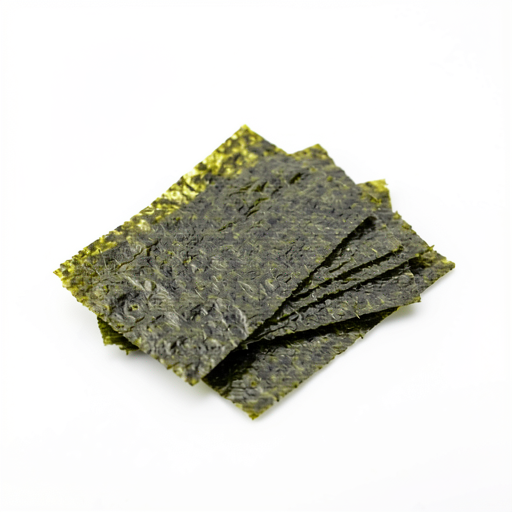
Nori seaweed is thin, pressed sheets of marine red algae with a dark green-black, slightly shiny appearance; it has a flavor dominated by umami and sea notes, with a subtle salty-green bitterness, crunchy when dry, and soft and flexible when moistened. They are low in calories, rich in plant protein, fiber, iodine, and minerals such as iron, magnesium, and calcium, as well as B vitamins and antioxidants, which support thyroid function, metabolism, and the immune system; moderation is advised due to the high iodine content and potential contamination with heavy metals. Culinary uses of nori include sushi, onigiri, and wraps, as well as additions to soups, salads, or snacks in the form of roasted flakes or seasonings (e.g., furikake), as it pairs well with rice, fish, vegetables, and soy sauces. Store them tightly closed, in a dry, cool, and dark place, preferably with a moisture absorber; after opening, it is best to keep them in the refrigerator to maintain crispness and aroma.