Grape leaves
Description
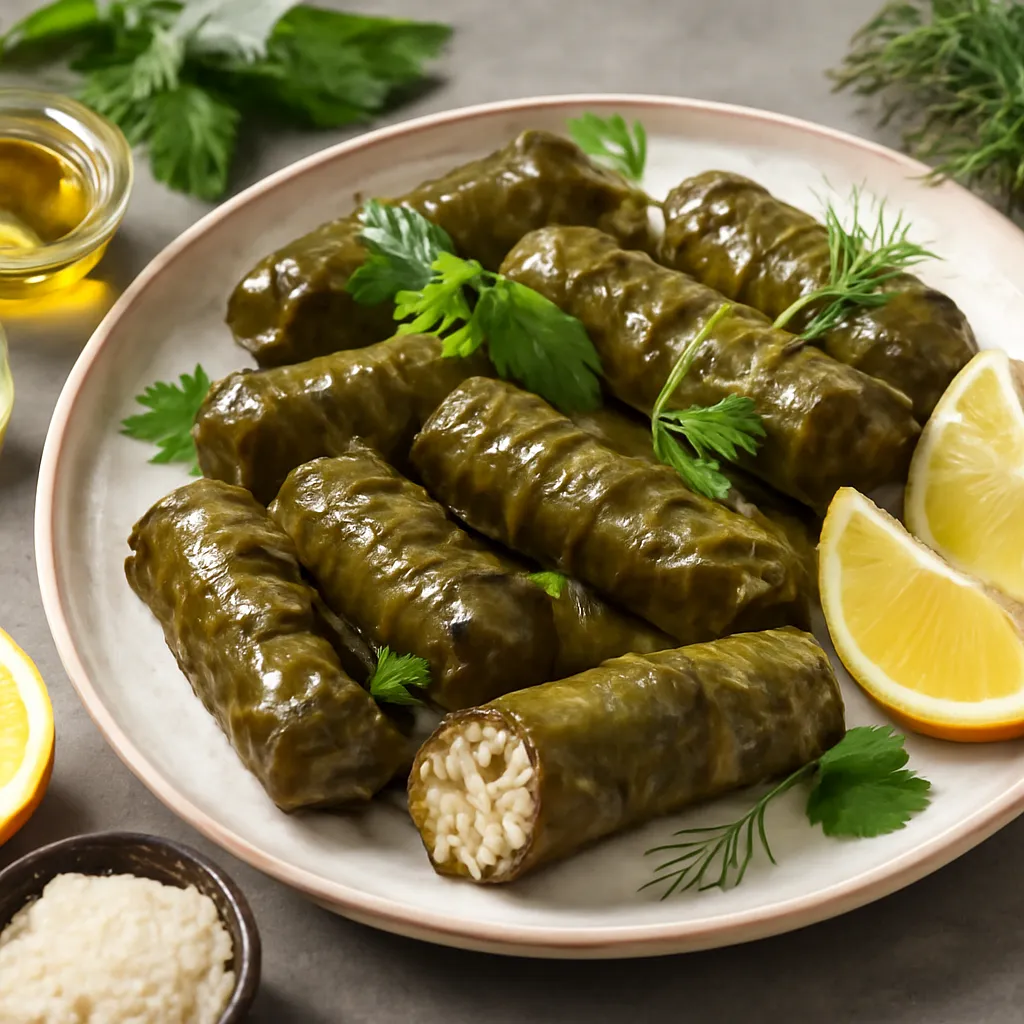
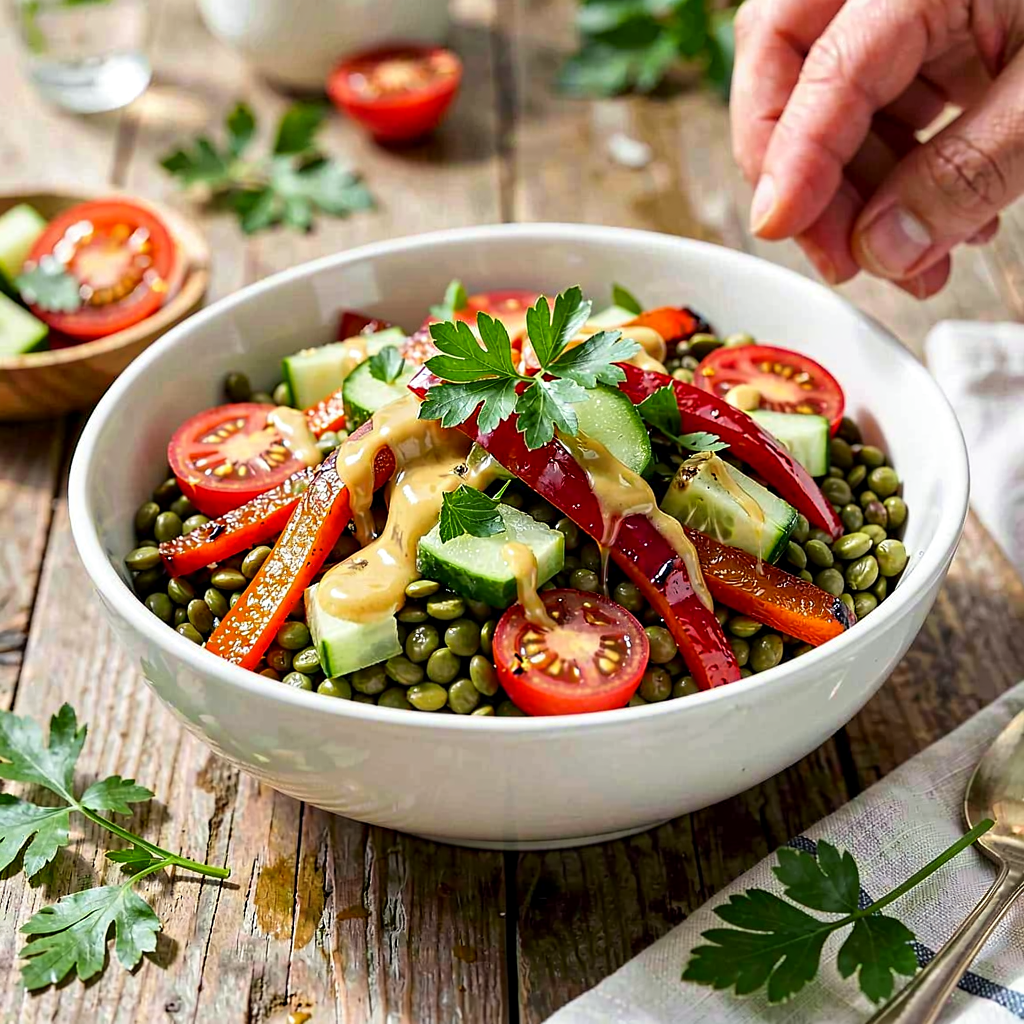
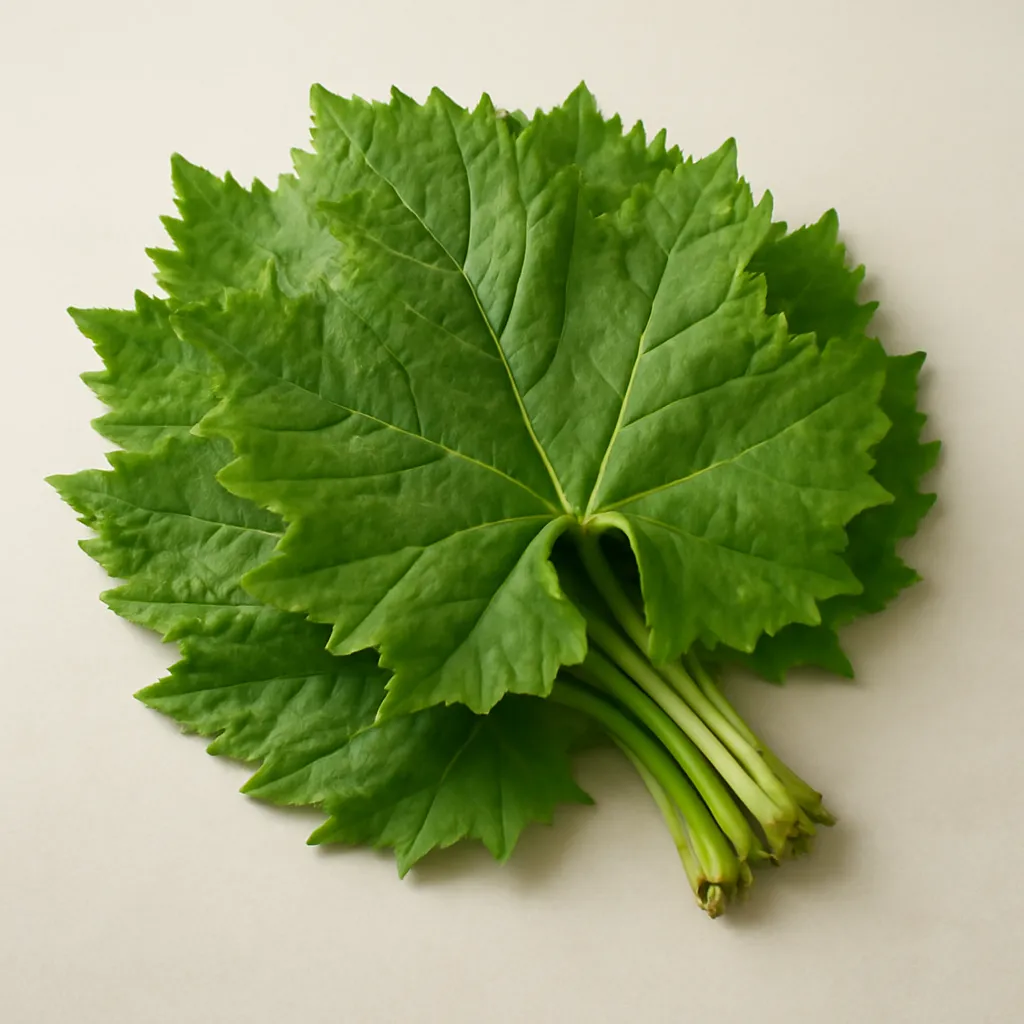
Grape leaves have a delicate, slightly sour and herbal flavor with a subtle lemon note after cooking; they are thin, nervously veined, and fleshy, ranging in color from light green to dark green with characteristic lobes and veins. Nutritionally, they are low in calories, providing fiber, vitamins (especially A, C, and K), and minerals such as calcium and iron, as well as antioxidants and polyphenols that support digestion, have anti-inflammatory effects, and positively impact vascular and bone health. Culinary uses of grape leaves include wrapping fillings (e.g., dolmades), pickling and marinating, using as a cover for baking fish or meat, and adding to salads and stews, pairing well with lemon, olive oil, rice, ground meat, and herbs like dill, mint, and parsley. Fresh leaves are best stored wrapped in a damp towel in the refrigerator and used within a few days; they can also be blanched and frozen or used from brine, which should be rinsed off excess salt before use.