Octopus
Description
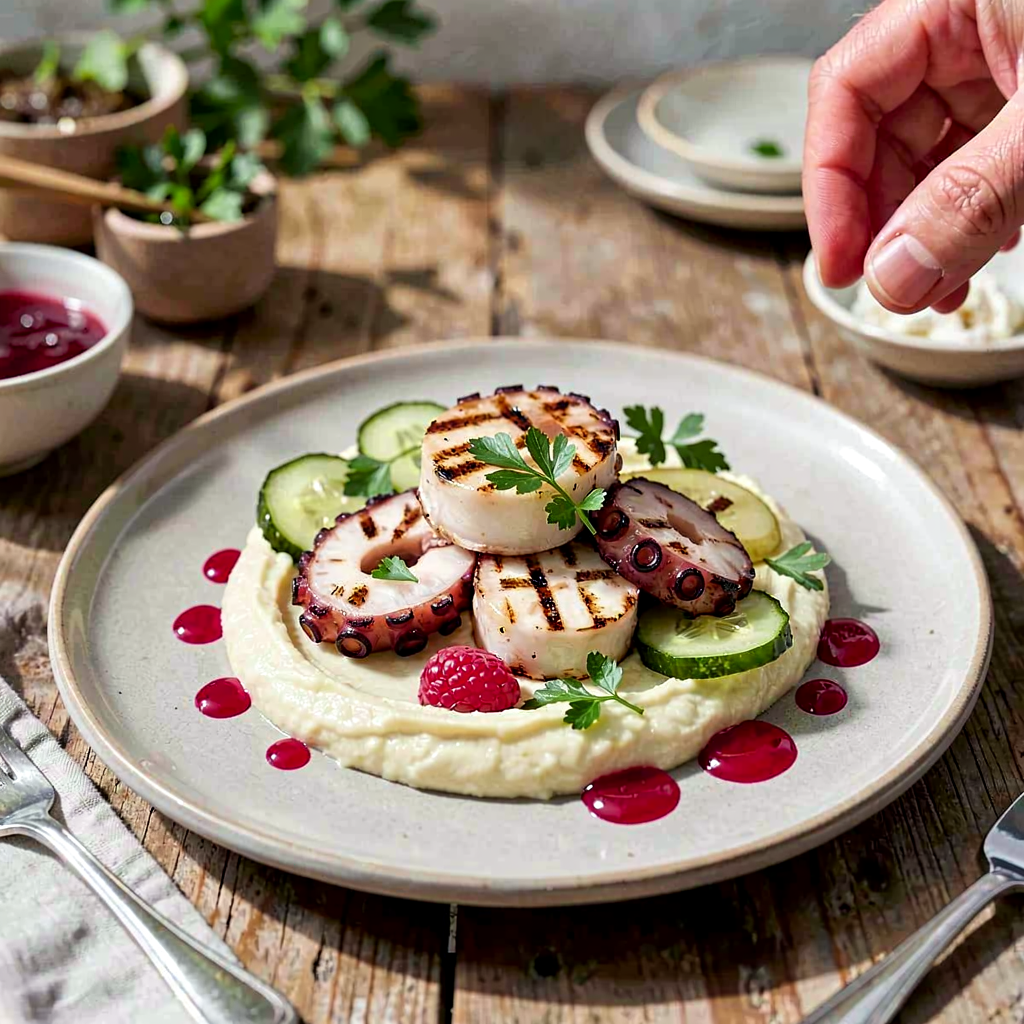
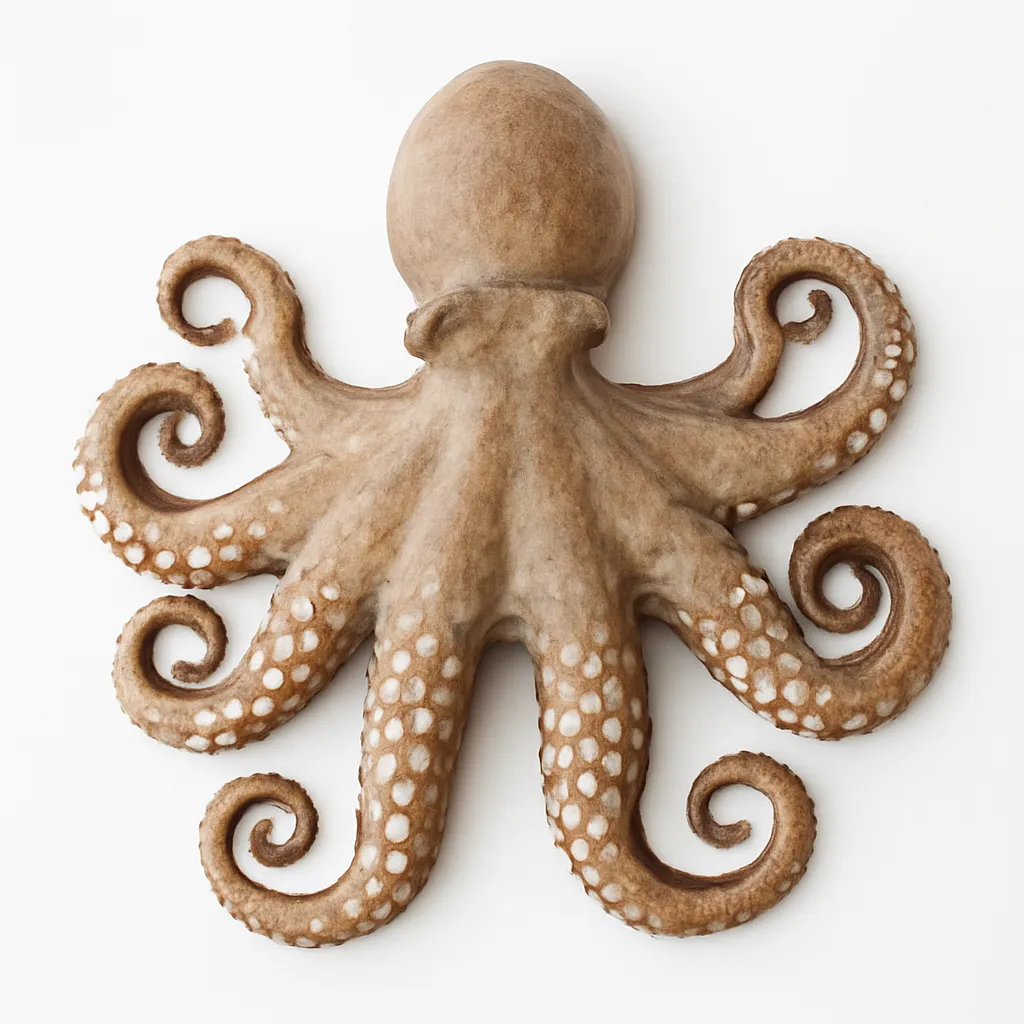
Octopus has a distinct, marine flavor with a delicate sweetness and a slightly rubbery, yet pleasantly firm texture that becomes soft and juicy after proper cooking. Raw, it has a brownish-purple hue and visible suckers on its tentacles; when cooked, it takes on a creamy-pink color and an attractive, slightly fibrous structure. It is an excellent source of lean protein, low in calories, rich in vitamin B12, iron, selenium, phosphorus, and zinc, as well as valuable omega-3 fatty acids, which support the circulatory system, neurological functions, and metabolism. One should be aware of possible seafood allergies and the moderate cholesterol content. In the kitchen, it works well grilled, braised, in salads, soups, risottos, and tapas; it pairs excellently with citrus, olive oil, garlic, parsley, potatoes, and bell peppers. Store fresh octopus in a cool place (0–2°C) and use it within 24–48 hours; for longer storage, keep it frozen (up to about 3 months), thawing in the refrigerator and avoiding refreezing.