Stale wheat bread
Description
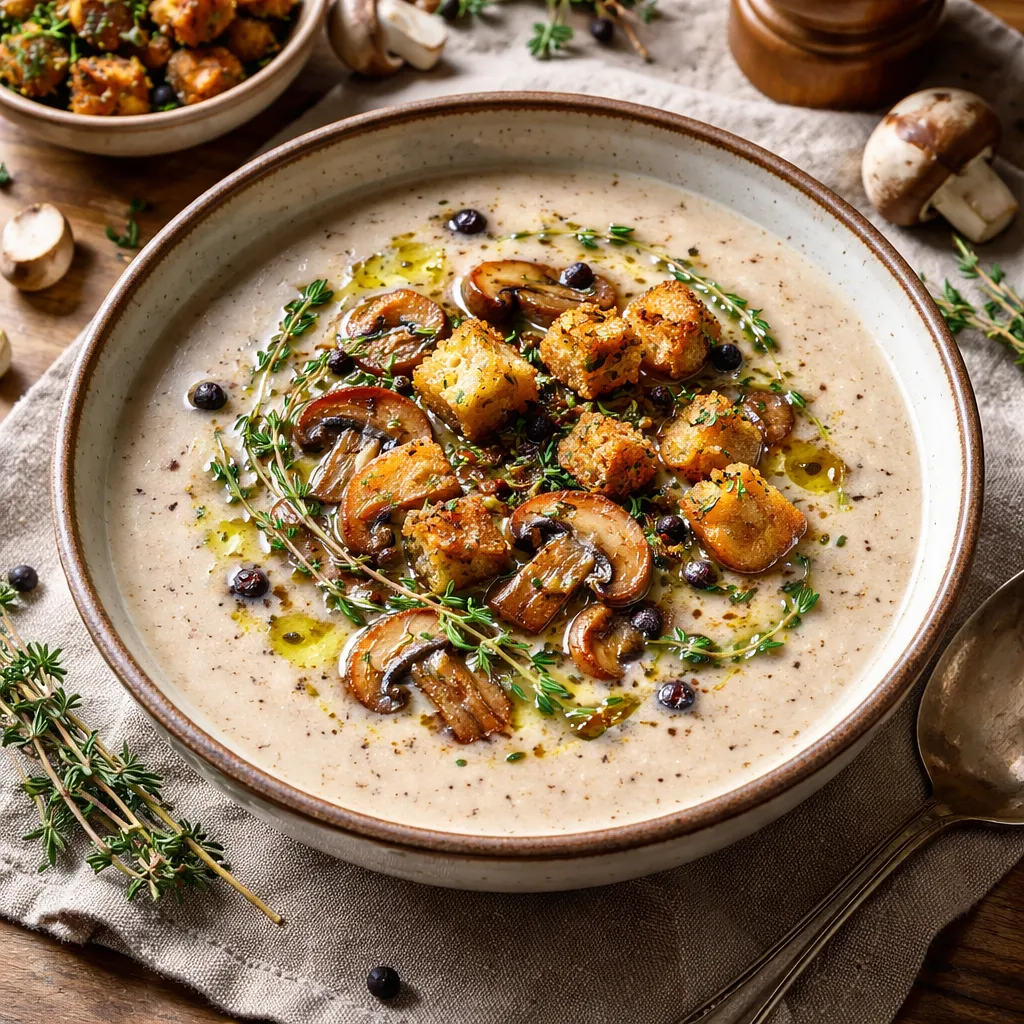
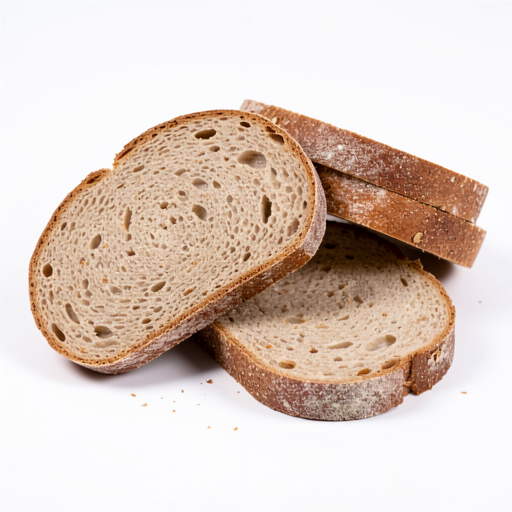
Stale wheat bread has a hardened, dry texture, with a crust often darker than the crumb and a mild, slightly sweet flavor typical of wheat flours. It appears dull, with a porous structure of the crumb that easily absorbs liquids and the aromas of dishes when soaked. Nutritionally, it is mainly a source of carbohydrates and energy, also providing protein, small amounts of fat, as well as B vitamins and minerals such as iron; its fiber content is lower than that of whole grain bread. In the kitchen, stale bread works well as a base for breadcrumbs, toasts, croutons, breading, fillings, and puddings, as well as for dishes that absorb sauces, like panzanella or casseroles, where it adds structure and moisture. To extend its shelf life, store stale bread in a dry place in a breathable container or freeze in portions; before reusing, you can toast it, brown it, or soak it in milk or broth. In case of mold, the bread should be discarded immediately.