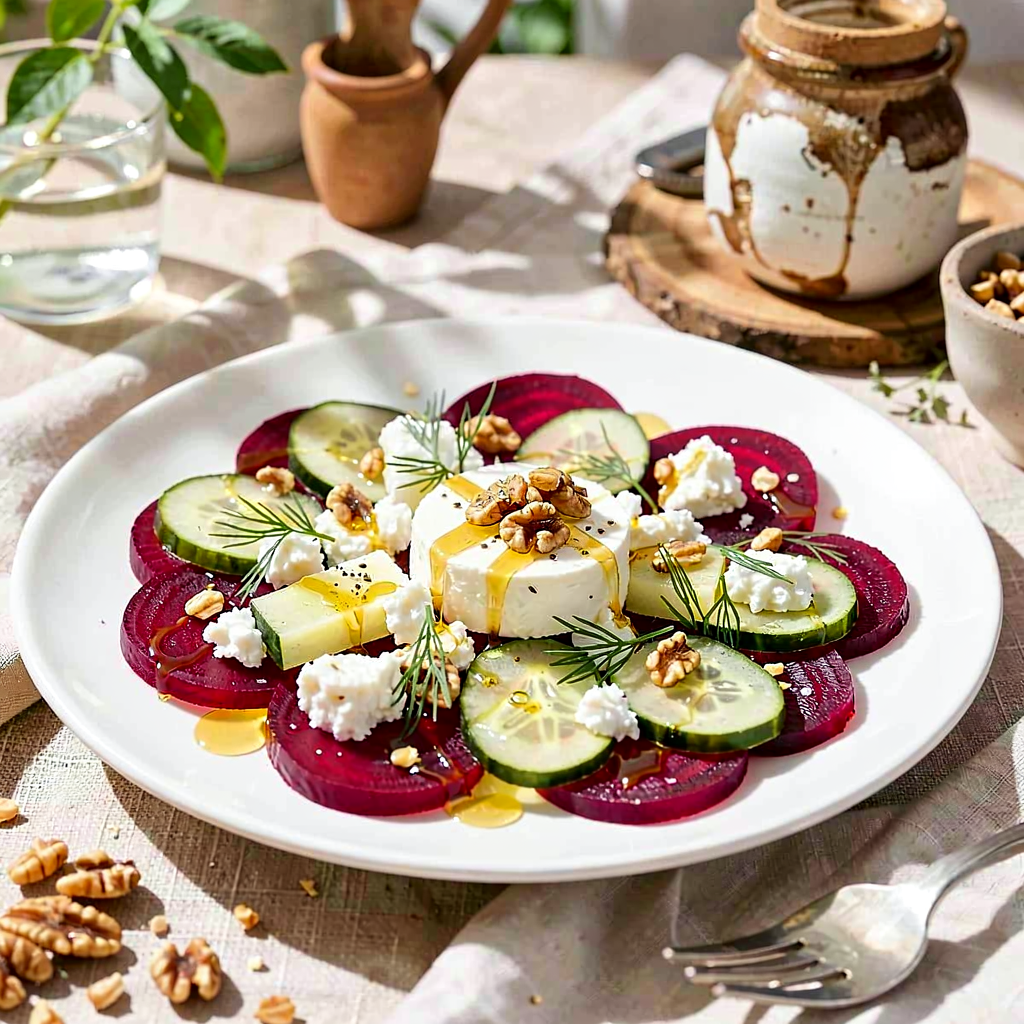
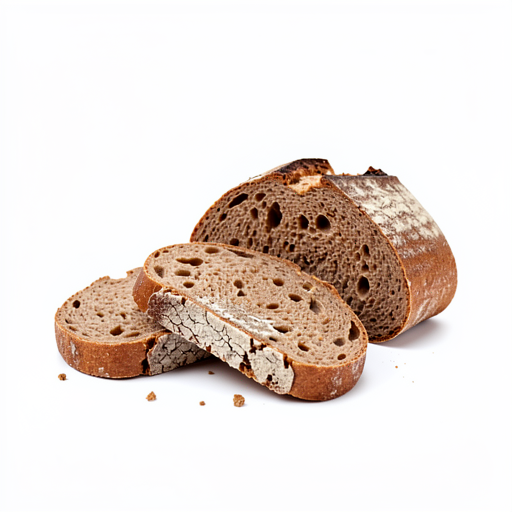
Stale wheat bread
Description
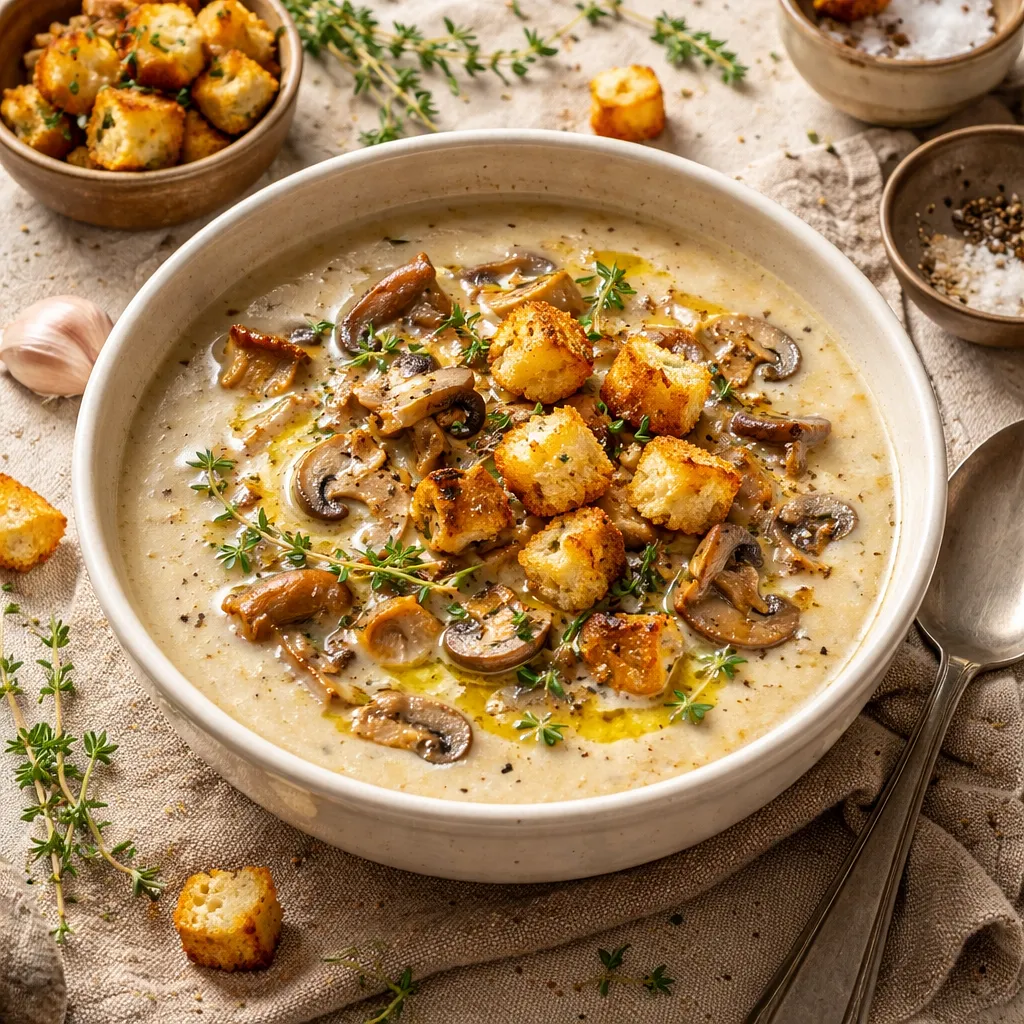
Stale bread has a distinctly harder, dry crust and a dense, less elastic crumb with a mild, slightly grainy flavor and a hint of toasted crust; the outer color can range from golden to brown, while the inside is light. Nutritionally, it primarily serves as a source of carbohydrates, a small amount of protein, and B vitamins and minerals such as iron and magnesium; moisture loss does not reduce its nutritional value, and consuming it with vegetables or protein can increase satiety and the meal's value. In the kitchen, stale bread works excellently as a base for toasts, breading, breadcrumbs, croutons, fillings for stuffings and panzanella salads, as well as for casseroles or bread puddings. It is best stored in a dry, airy place wrapped in paper or a linen cloth; longer storage is worthwhile in the freezer in portions, and before use, it can be quickly refreshed in the oven or on a skillet.