Sauerkraut
Description
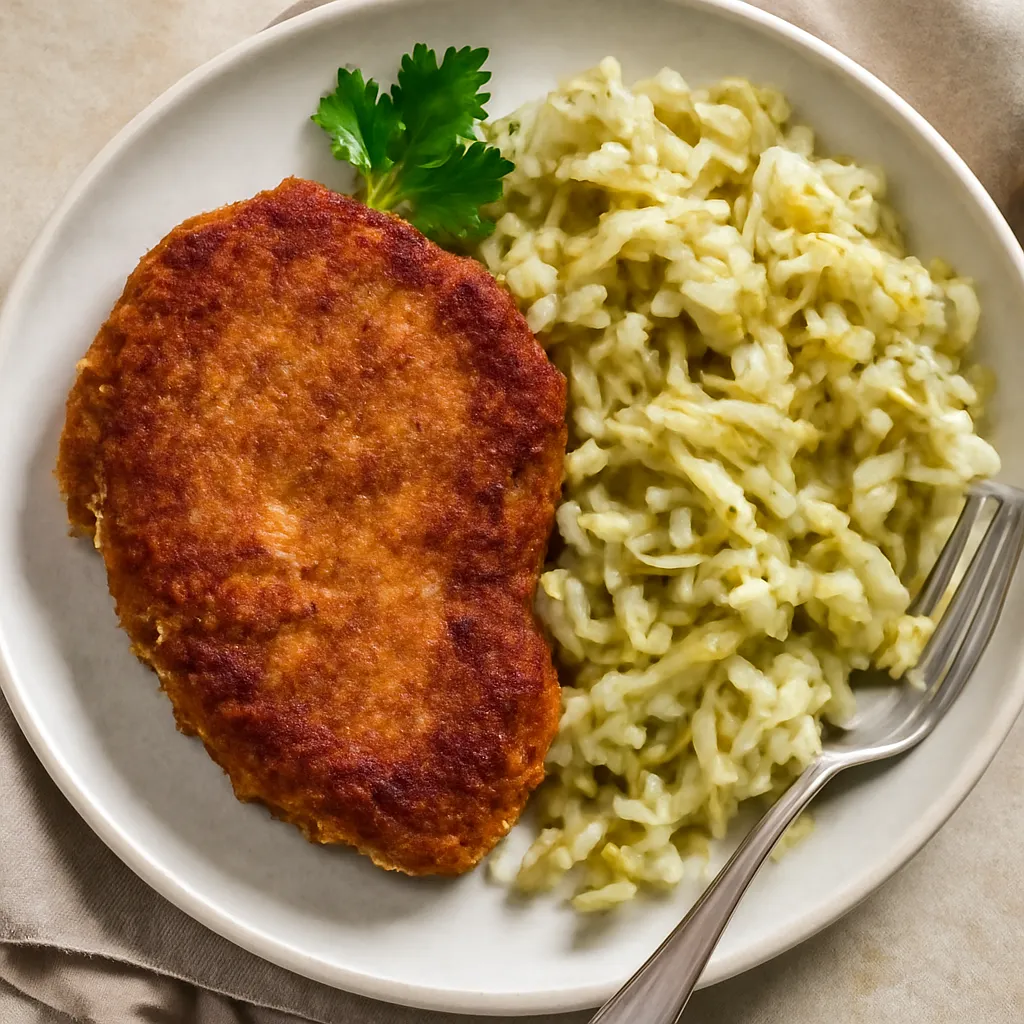
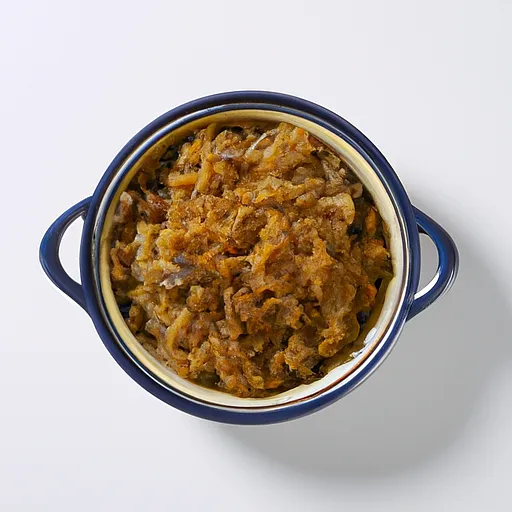
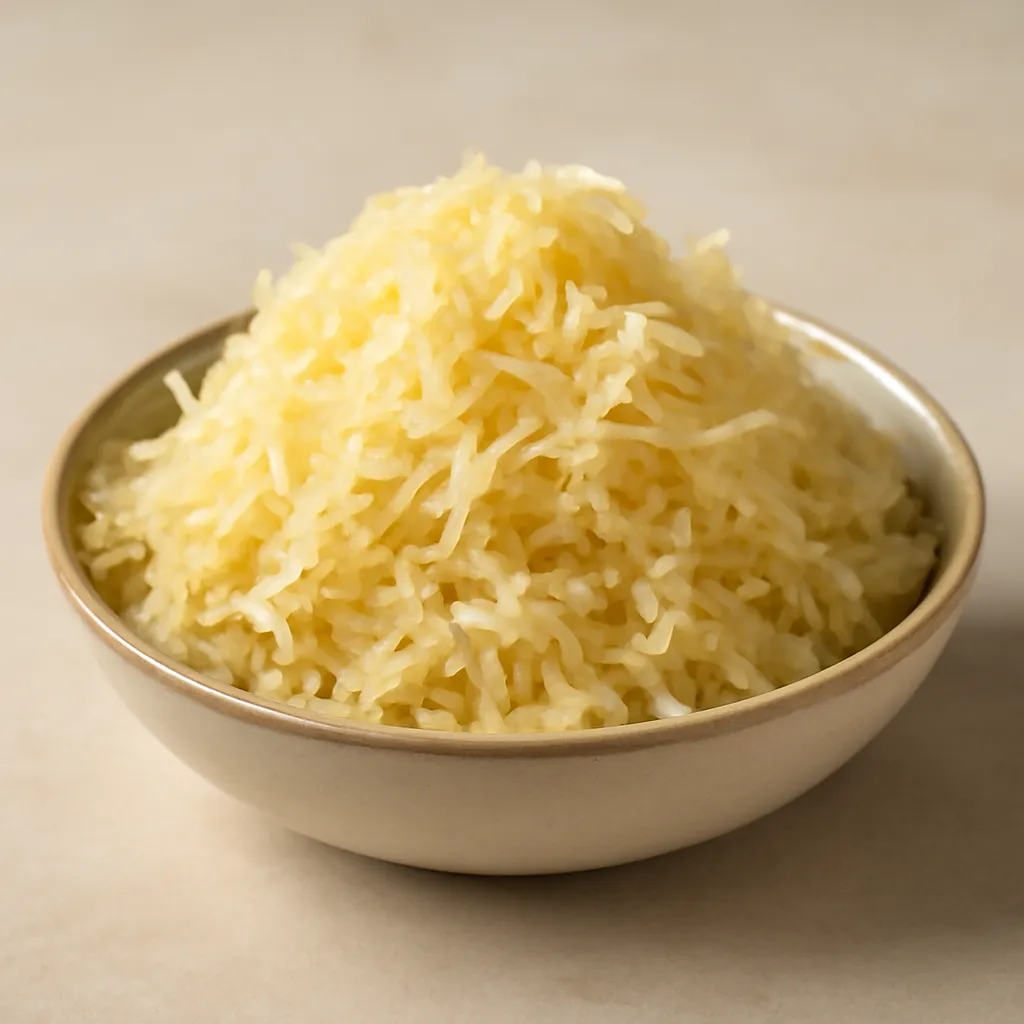
Sauerkraut consists of crunchy, slightly tangy leaves with a creamy-green hue submerged in a cloudy, aromatic brine. The flavor combines pleasant acidity with the natural sweetness of cabbage, while the aroma is distinctly fermented, fresh, and inviting. It is low in calories, rich in fiber, vitamins C and K, and folates, and the fermentation process provides probiotic lactic acid bacteria that support digestion and gut microbiota balance; it also contains minerals, antioxidants, and small amounts of B vitamins. It is important to note the relatively high salt content. In the kitchen, sauerkraut works well in traditional dishes like bigos, soups, and stewed accompaniments to meats, as well as a base for salads, fillings, sandwiches, and sides for Asian dishes or tacos. It is best stored in the refrigerator in a tightly sealed container, completely covered with brine to prevent mold; opened jars should be used within a few weeks, and it can also be pasteurized or frozen — although the texture will become less crunchy.