Sesame
Description
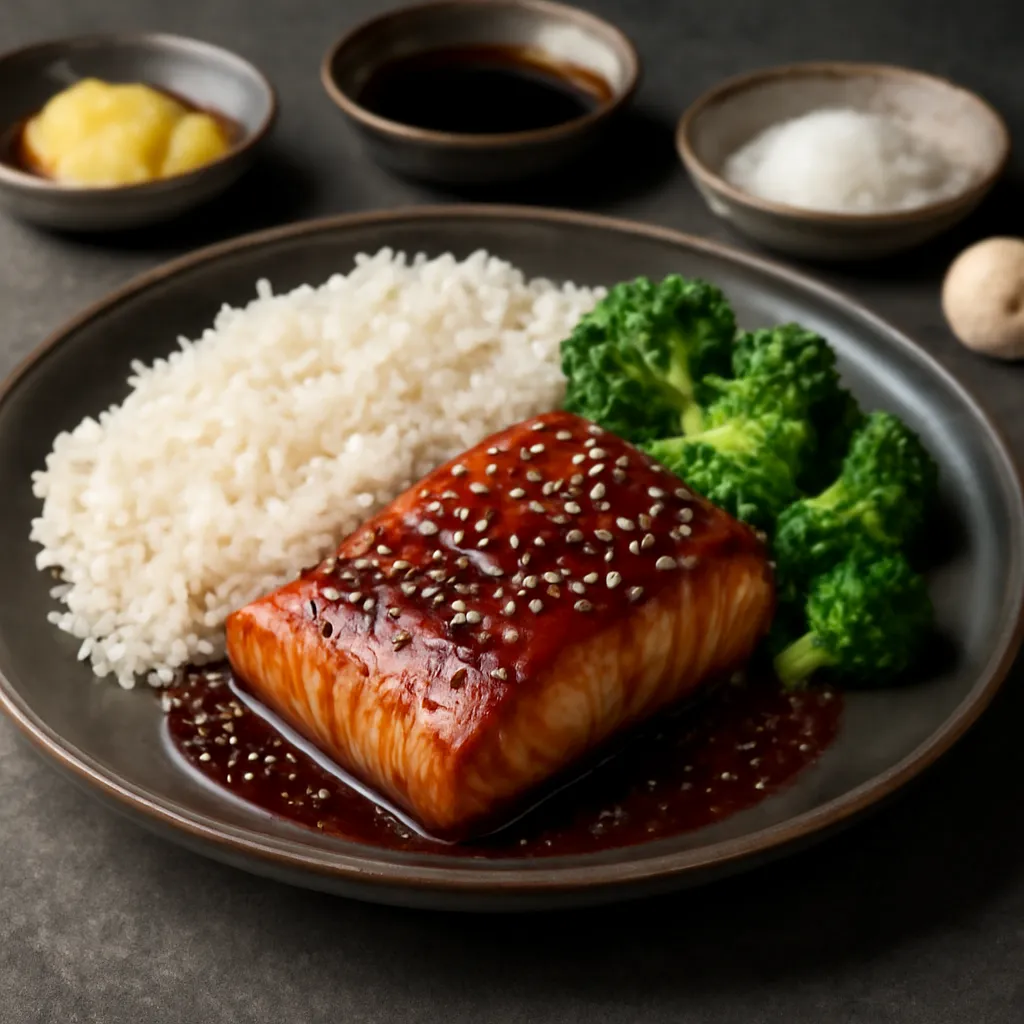
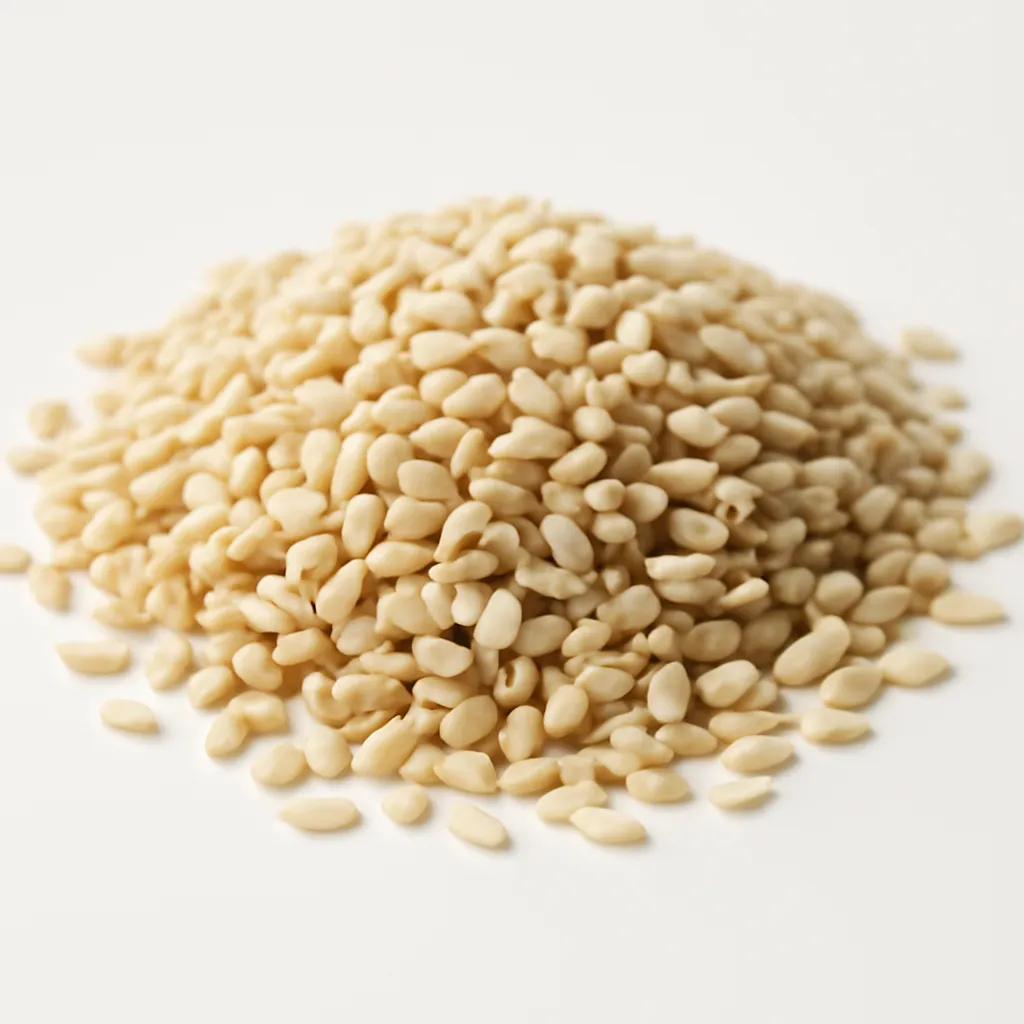
Sesame seeds are small, oval-shaped seeds ranging in color from cream through golden to deep black, with a subtly nutty, slightly sweet flavor that develops an intense, buttery note when toasted. They serve as an aromatic visual and flavor addition, adding crunch to both sweet and savory dishes. Nutritionally, sesame is calorie-dense but rich in unsaturated fats, plant protein, fiber, and minerals such as calcium, magnesium, iron, and zinc, as well as lignans (sesamin, sesamolin) with antioxidant and anti-inflammatory properties. Regular moderate consumption may support heart health, bone health, and lipid profiles. In the kitchen, sesame works well in the form of seeds on bread, toasted as a topping for salads and Asian dishes, as tahini, or sesame oil for marinades, sauces, and desserts. To maintain freshness, store sesame in an airtight container in a cool, dark place; once ground, it’s best kept in the refrigerator or freezer, as fats can easily go rancid.