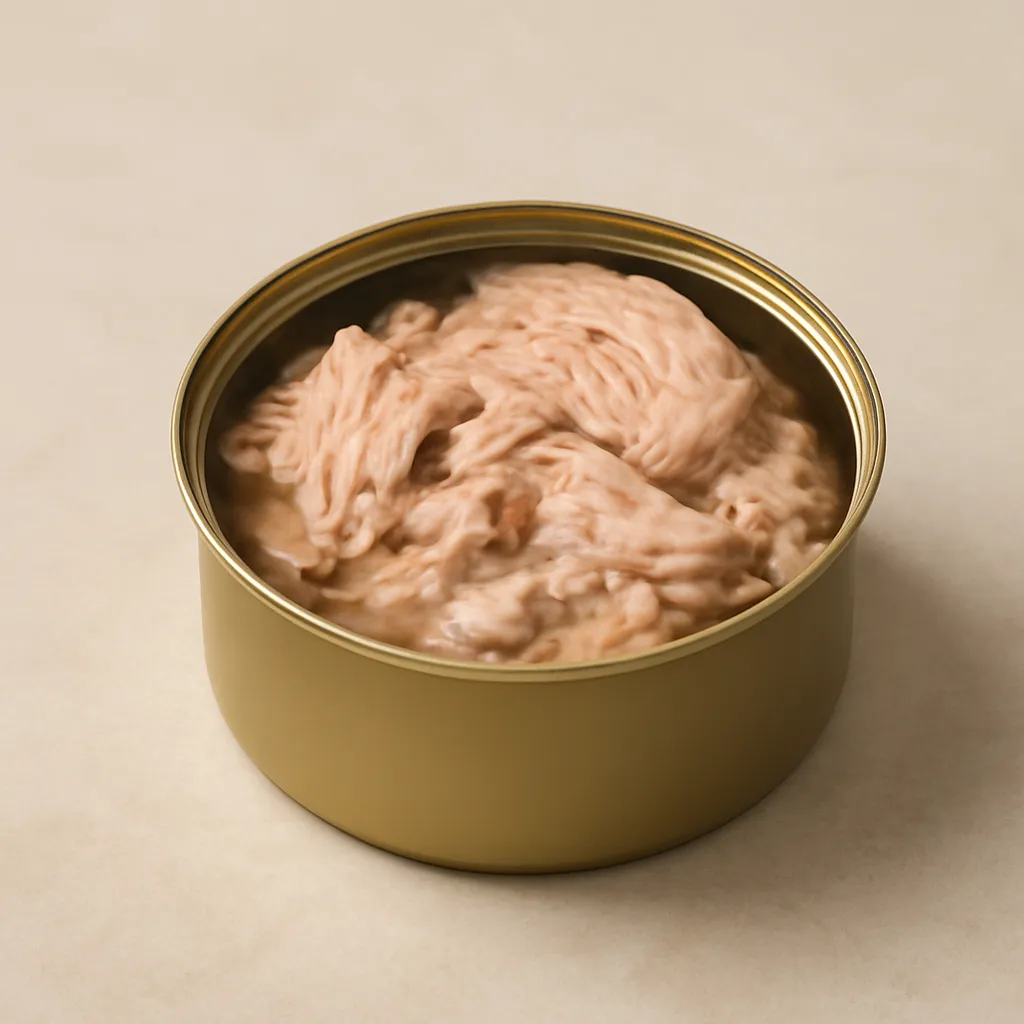
Tuna in its own juice
Description
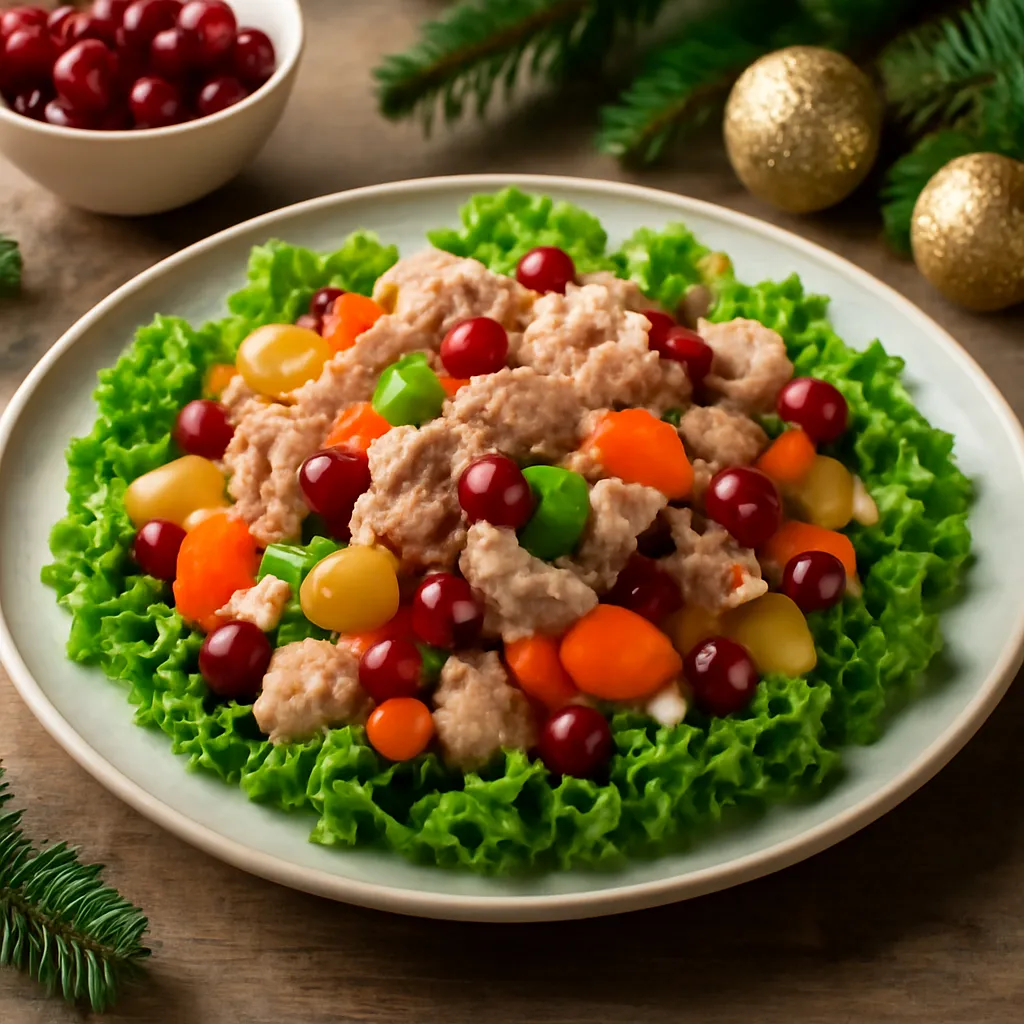
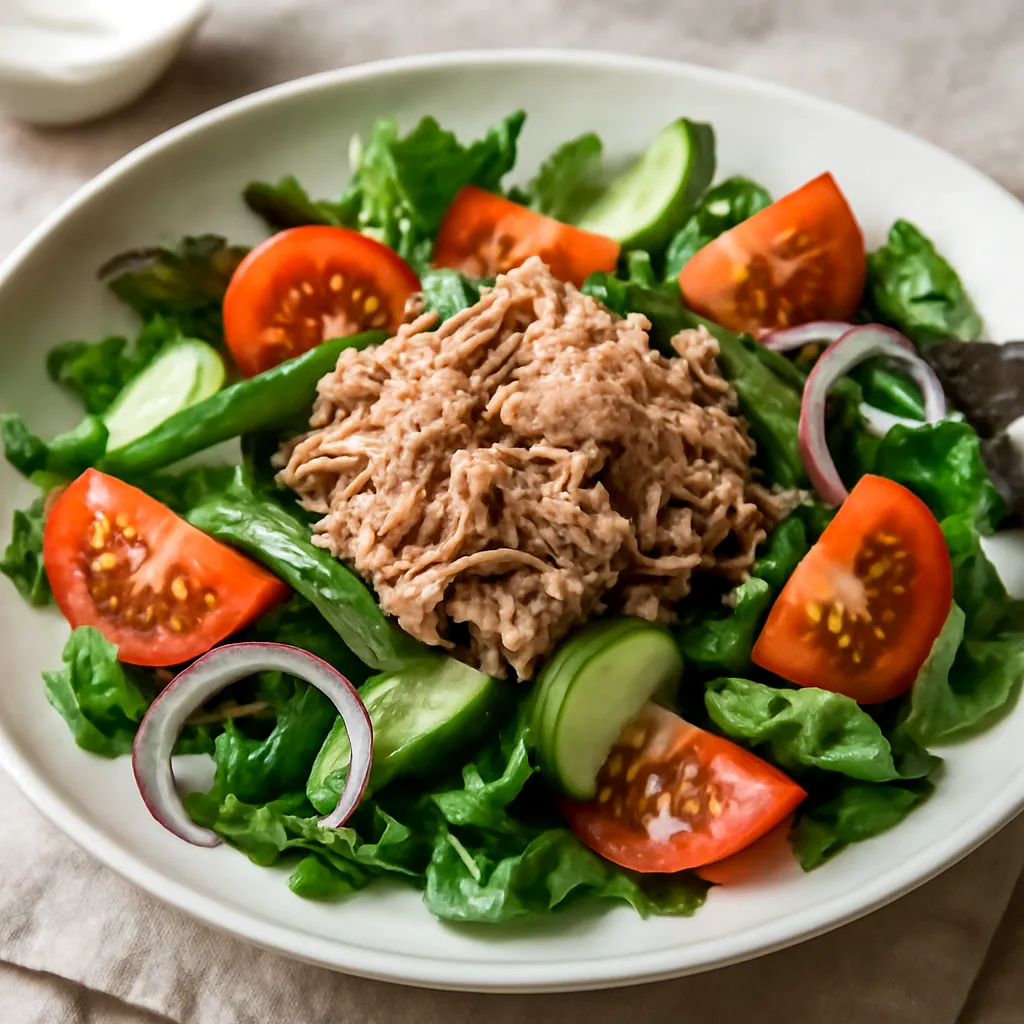
Tuna in its own juice is delicate, light pink meat with a firm, flaky texture and a subtle, slightly salty flavor with a distinct umami note, less fatty than the oil version, which makes its aroma milder and more versatile in cooking. The product provides high-quality protein with low fat and calorie content, is a good source of omega-3 fatty acids, B vitamins (especially B12), vitamin D, and selenium, which supports heart health, brain function, and muscle recovery; however, it is important to keep in mind the consumption limits for pregnant women and small children due to possible mercury content. In the kitchen, tuna in its own juice is great for salads, sandwiches, spreads, pasta, fillings for tortillas, omelets, or casseroles, easily combining with vegetables, lemon, herbs, and light sauces. Store the unwrapped product in a cool, dry place, and after opening, transfer it to an airtight container, cover with its own juice or water, and consume within 24–48 hours; portions can also be frozen, keeping in mind that the texture may change slightly.