Menu

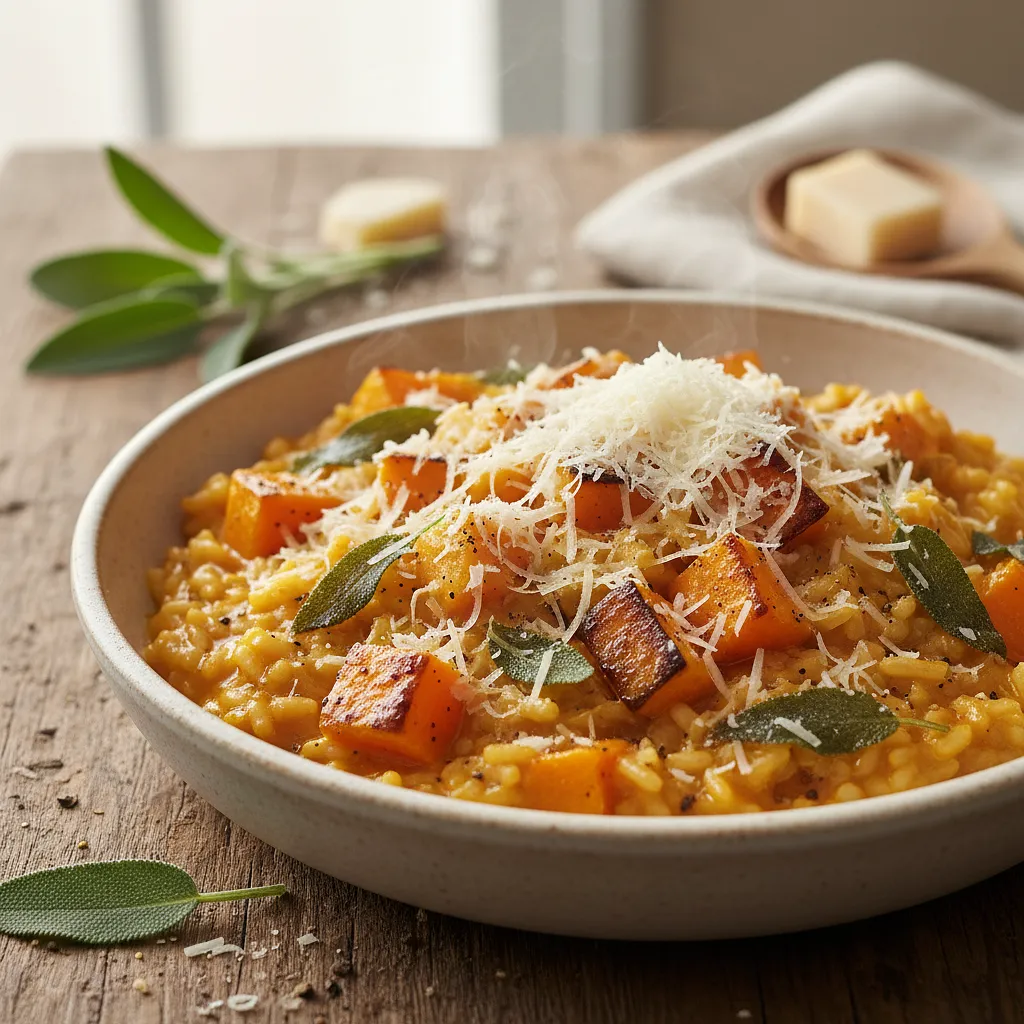
Creamy risotto with roasted pumpkin, sage, and parmesan

Pikantne Dania główne Pasta and Risotto Italian Cuisine 80 min Medium 13 wyświetleń ~33.41 PLN - (0)
Rate:
(0)

Description

This dish is the essence of autumn captured on a plate. Velvety, creamy risotto, made with Arborio rice, combines the deep, natural sweetness of roasted Hokkaido pumpkin with the earthy, slightly spicy aroma of fresh sage. The whole is complemented by the salty, bold flavor of grated Parmesan and a delicate hint of white wine. The dish has a beautiful, warm orange color and an incredibly appetizing, thick consistency. Every bite is pure pleasure and comfort. Risotto comes from northern Italy and is a symbol of patience in the kitchen, as it requires constant attention and love. It is perfect as an elegant main course for a dinner for two, a gathering with friends, or simply as a way to lift your spirits on a chilly day. Serve it hot, straight from the pan, with a glass of chilled, dry white wine.

Składniki (14)

Servings:
4
  • Hokkaido pumpkin 500 g
  • Arborio rice for risotto 300 g
  • Vegetable broth 1200 ml
  • Onion 1 szt.
  • Garlic 2 ząbki
  • Parmezan (parmigiano reggiano) 80 g
  • Butter 50 g
  • Dry white wine 100 ml
  • Extra virgin olive oil 0.2 łyżek
  • Fresh sage 0.5 pęczek
  • 🌿 Przyprawy
  • Salt 0.1 szczypt
  • Pieprz czarny świeżo mielony 2 szczypty
  • Nutmeg 2 szczypty
  • ✨ Opcjonalne
  • Pumpkin seeds 30 g
💰 Szacowany koszt dania: ~33.41 PLN (8.35 PLN/porcję)

💡 Kliknij na składnik aby oznaczyć jako użyty

Preparation steps

Preparing the pumpkin

1

Preheat the oven to 200°C (fan). Rinse the Hokkaido pumpkin thoroughly under running water. Cut it in half and use a spoon to remove the seeds along with the fibers. Do not peel the skin - it will be soft and edible after baking. Cut the flesh into cubes with a side of about 2-3 cm.

Ingredients: Hokkaido pumpkin
Use a sharp, large chef's knife and a stable cutting board. The pumpkin is hard, so be careful. Even pieces will ensure even roasting.
2

Transfer the chopped pumpkin to a large baking tray lined with parchment paper. Drizzle with 2 tablespoons of olive oil, and sprinkle with salt and pepper. Tear about 5-6 sage leaves, gently crush them in your hands to release the aroma, and add them to the pumpkin. Mix everything thoroughly with your hands, ensuring each piece of pumpkin is coated with oil and seasonings. Place in the preheated oven and bake for 25-30 minutes, until the pumpkin is tender and slightly caramelized at the edges.

Ingredients: Hokkaido pumpkin, Extra virgin olive oil, Salt, Pieprz czarny świeżo mielony, Fresh sage
Spread the pumpkin in a single layer on the baking sheet. If the pieces are overlapping, they will steam instead of roast. Halfway through baking, you can stir the pumpkin with a spatula.

Preparing the risotto base

3

While the pumpkin is baking, prepare the remaining ingredients. Pour the vegetable broth into a small pot and heat it over low heat. It should be hot, almost boiling, throughout the cooking of the risotto. Peel and finely chop the onion and garlic. Grate the Parmesan on a fine grater. Finely chop the remaining sage (leave 8-10 of the prettiest leaves for decoration).

Ingredients: Vegetable broth, Onion, Garlic, Parmezan (parmigiano reggiano), Fresh sage
Keeping the broth warm is key! Adding cold liquid to hot rice halts the cooking process and makes it difficult to achieve a creamy consistency. Organize your workspace: chopped ingredients, hot broth, and pan within reach.
4

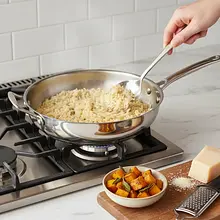
In a large, wide pot or a deep skillet with a thick bottom, heat 1 tablespoon of olive oil and 25g of butter over medium heat. When the butter melts and starts to foam, add the chopped onion. Sauté, stirring with a wooden spoon, for about 5-7 minutes, until the onion becomes translucent and soft, but not browned. Add the chopped garlic and sauté for another minute, until it releases its aroma.

Ingredients: Extra virgin olive oil, Butter, Onion, Garlic
The best pan will be 28-30 cm in diameter. Be careful not to burn the garlic, as it will become bitter. If you notice it starting to brown, immediately move on to the next step.
5

Pour the Arborio rice into the pan. Slightly increase the heat and stir vigorously for about 2 minutes. This is called 'tostatura', or toasting the rice. Each grain should be coated in fat and become slightly translucent at the edges, with a white, matte center. This step 'seals' the grains, ensuring that the rice cooks evenly and remains al dente in the center.

Ingredients: Arborio rice for risotto
Use a wooden spoon or silicone spatula to avoid damaging the rice grains. Do not skip this step; it is fundamental for the texture of the risotto.

Cooking risotto

6

Pour white wine into the pan. You'll hear a loud sizzle - that's normal. Stir constantly, scraping up all the tasty browned bits from the bottom of the pan. Cook until the wine has completely evaporated and the smell of alcohol disappears, leaving only a pleasant aroma. This will take about 1-2 minutes.

Ingredients: Dry white wine
This process is called deglazing. The acidity of the wine balances the richness of the butter and cheese, adding complexity to the dish. Make sure that all the alcohol has evaporated before you start adding the broth.
7

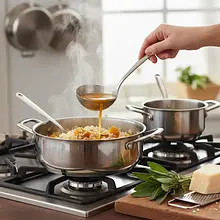
Reduce the heat to medium-low. Pour one ladle of hot broth into the rice - the liquid should cover the rice. Stir slowly and almost continuously until the rice absorbs all the liquid. Only then add another ladle of broth. Repeat this process patiently for about 18-20 minutes. Stirring releases the starch from the rice, creating a creamy 'sauce'. The risotto is ready when the grains are soft on the outside but still slightly firm in the center (al dente), and the consistency is fluid, creamy, 'wavy' (all'onda), not thick.

Ingredients: Vegetable broth
This is the most important step that requires patience. Do not pour all the broth at once! Stir gently but regularly in a figure-eight motion. You may not use all the broth, or you might need a little more - it depends on the rice.

Finishing and serving

8

When the rice is almost ready, take the roasted pumpkin out of the oven. Transfer about 2/3 of the pumpkin to a bowl and mash it with a fork or an immersion blender until smooth. Keep the remaining diced pumpkin whole. Add the pumpkin purée, the diced pumpkin, and chopped sage to the risotto. Season with a pinch of freshly grated nutmeg, salt, and pepper to taste. Gently mix and cook for another minute.

Ingredients: Hokkaido pumpkin, Fresh sage, Nutmeg, Salt, Pieprz czarny świeżo mielony
Keeping some pumpkin in cubes will add an interesting texture to the dish. Taste the risotto before adding salt - the broth and parmesan are already salty, so it's easy to oversalt.
9

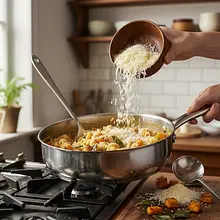
Remove the pan from the heat. It's time for 'mantecatura' - the final, crucial step that gives the risotto its perfect creaminess. Add the remaining 25g of cold diced butter and grated Parmesan. Stir vigorously or shake the pan until the butter and cheese completely melt and combine with the rice, creating an emulsion. Cover the pan with a lid and let it sit for 2 minutes to allow the flavors to meld.

Ingredients: Butter, Parmezan (parmigiano reggiano)
The butter must be cold - thermal shock helps create a perfectly creamy emulsion. Don't skip the resting under cover, it makes the risotto even silkier.
10

While the risotto rests, prepare the crispy sage. In a small pan, heat the remaining tablespoon of oil. When it's hot, add the reserved sage leaves. Fry them for about 30-45 seconds on each side until they become dark green and crispy. Remove them with a slotted spoon onto a paper towel to drain excess fat.

Ingredients: Fresh sage, Extra virgin olive oil
Be careful, because sage fries very quickly and can easily burn. The oil must be well heated. Crispy sage is a fantastic textural and aromatic addition.
11

Serve the risotto immediately after preparation. Spoon portions onto deep plates, preferably warmed. Garnish each portion with a few leaves of crispy sage and sprinkle with an additional portion of freshly grated Parmesan. Optionally, you can top the dish with toasted pumpkin seeds for extra crunch.

Ingredients: Parmezan (parmigiano reggiano), Pumpkin seeds
Heating the plates will help the risotto maintain its ideal temperature and consistency for longer. Risotto tastes best right away; over time it thickens and loses its magic.

Fun Fact

💡

The famous Italian finishing technique for risotto, known as 'mantecatura', does not come from the word 'magic', although the effect is magical. It originates from the word 'manteca', which in some dialects meant butter. It is the addition of fat (butter) and cheese at the very end of cooking that creates this unique, creamy emulsion.

Best for

Tips

🍽️ Serving

Serve the risotto immediately on heated, deep plates, which will help maintain its ideal temperature and creamy consistency. Garnish with crispy sage leaves, freshly grated Parmesan, and toasted pumpkin seeds. You can also drizzle the dish with a few drops of high-quality olive oil or pumpkin seed oil. It pairs perfectly with a glass of chilled, dry white wine, such as Pinot Grigio or Sauvignon Blanc.

🥡 Storage

Risotto is a dish that tastes best right after preparation. However, if there are leftovers, store them in an airtight container in the refrigerator for up to 2 days. To reheat, transfer it to a pan, add a little broth or water, and heat over low heat, stirring constantly until it regains its creaminess. You can also make delicious Italian rice balls - arancini - from leftover risotto.

📸 Ugotowane przez społeczność

Zaloguj się, aby dodać zdjęcie
Dodaj zdjęcie gotowej potrawy

Po zatwierdzeniu przez moderatora otrzymasz 10 punktów doświadczenia.

🍲

Nikt jeszcze nie dodał zdjęcia. Bądź pierwszy!

Comments (0)

Be the first to comment on this recipe!

Add a comment

You might also like

Recipe Categories

Dania główne
Dania główne in: Sylwester

Dania główne na Sylwestra powinny być sycące i efektowne, aby zadowolić podniebienia wszystkich gości.

See all recipes in this category

Pasta and risotto are Italian classics loved by the whole world - creamy, hearty, and delicious. Pasta carbonara, bolognese, puttanesca, arrabiata, and cacio e pepe - sauces with tradition. Fresh homemade pasta: tagliatelle, fettuccine, and ravioli with handmade dough. Meat and vegetarian lasagna...

See all recipes in this category

Italian cuisine is love at first bite - pasta, pizza, and amore on the plate. Pasta in all shapes: spaghetti, penne, rigatoni, tagliatelle, and lasagna with homemade sauces. Italian sauces: bolognese, carbonara, pomodoro, pesto, and aglio e olio - classics. Neapolitan pizza with a crispy crust an...

See all recipes in this category

Vegetarian cuisine is a wealth of flavors without meat - healthy, colorful, and filling. Plant-based proteins: lentils, chickpeas, beans, peas, and soy take center stage. Cheeses and dairy: feta, halloumi, ricotta, and mascarpone in main dishes. Eggs in various forms: omelets, frittata, shakshuka...

See all recipes in this category

Lunches are the main meal of the day - filling, balanced, and full of flavor. Traditional two-course lunches: soup and a main dish in Polish tradition. Pork chop with potatoes and cabbage - a classic of Polish lunches. Dumplings with meat, cheese, and fruit - hand-formed delicacies. Beef goulash,...

See all recipes in this category
Reklama