Menu

Baked Dumplings with Pumpkin, Sage, and Ricotta Cheese in Brown Butter Sauce

Pikantne Anything Vegetarian Dishes Lunches 150 min Medium 6 wyświetleń ~31.40 PLN - (0)
Rate:
(0)

Description

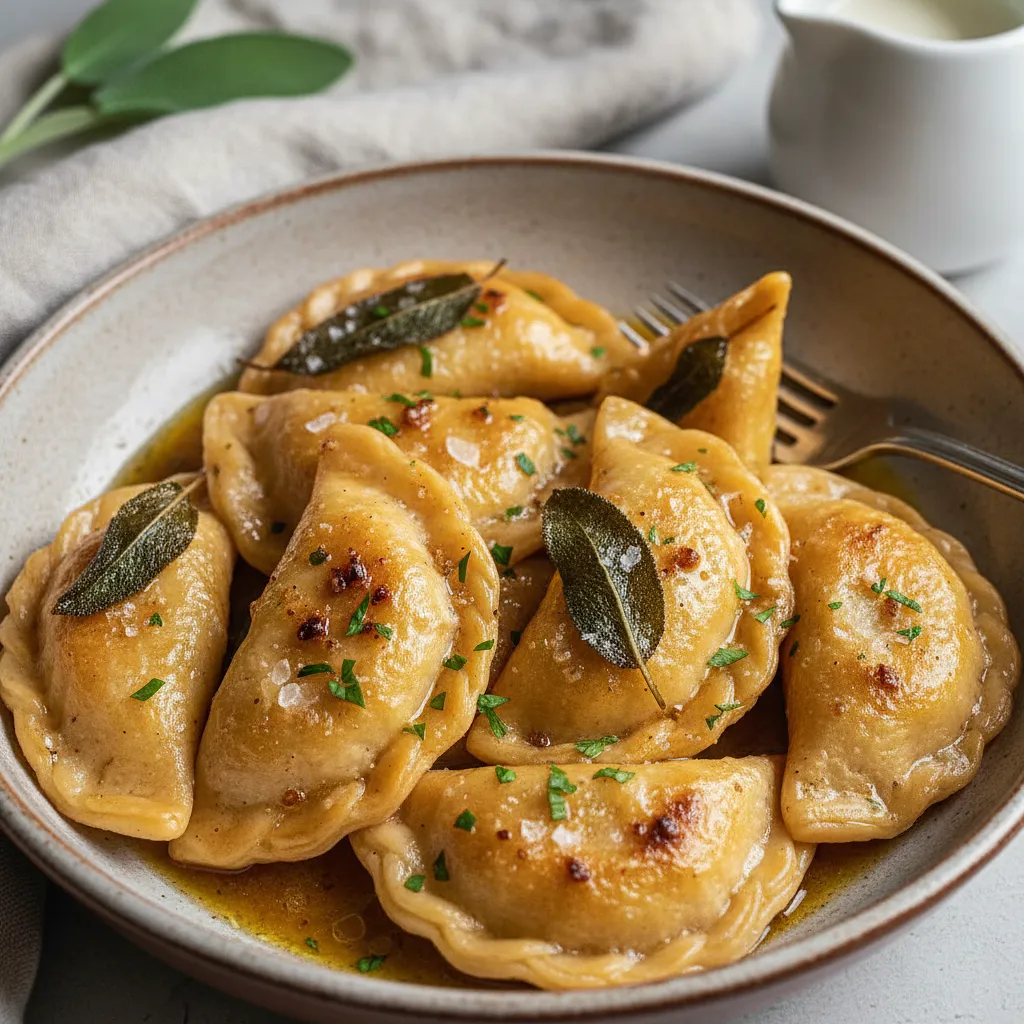
Here is an extraordinary autumn variation on classic Polish dumplings. Instead of traditional boiling, these delicate dumplings are baked in the oven until they achieve a golden, slightly crispy crust that perfectly contrasts with the creamy, velvety filling. Inside lies the essence of autumn: sweet, roasted Hokkaido pumpkin, combined with creamy ricotta cheese, aromatic, slightly earthy sage, and a hint of parmesan that adds depth of flavor. The dish is completed with a luxurious burnt butter sauce with a nutty aroma, crunchy walnuts, and additional sage leaves. This dish is elegant, hearty, and incredibly aromatic, perfect for a special lunch or dinner. It looks beautiful on the plate, combining rustic charm with a modern approach to cooking.

Składniki (15)

Servings:
4
  • Wheat flour type 500 400 g
  • Gorąca woda 200 ml
  • Rapeseed oil 30 g
  • Hokkaido pumpkin 500 g
  • Ricotta cheese 250 g
  • Fresh sage 0.7 pęczek
  • Parmesan 30 g
  • Garlic 2 ząbki
  • Egg 1 szt.
  • Butter 80 g
  • Walnuts 50 g
  • 🌿 Przyprawy
  • Salt 7 g
  • Pieprz czarny świeżo mielony 2 szczypty
  • Nutmeg 2 szczypty
  • ✨ Opcjonalne
  • Pumpkin seeds 30 g
💰 Szacowany koszt dania: ~31.40 PLN (7.85 PLN/porcję)

💡 Kliknij na składnik aby oznaczyć jako użyty

Preparation steps

Pumpkin filling

1

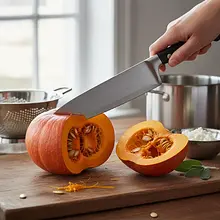
Preheat the oven to 200°C (fan). Wash the Hokkaido pumpkin thoroughly, cut it in half, and use a spoon to remove the seeds and fibrous flesh. Cut the pumpkin into smaller pieces (about 4-5 cm). You don't need to peel it; the skin will soften after baking. Arrange the pumpkin pieces on a baking sheet lined with parchment paper, drizzle with a little oil, and bake for about 25-30 minutes, until completely soft and slightly caramelized at the edges. A fork should easily pierce the flesh without any resistance.

Ingredients: Hokkaido pumpkin, Rapeseed oil
Use a large, flat baking sheet. Arrange the pieces of pumpkin in a single layer to ensure even baking. Do not overcrowd the sheet. Checking for tenderness with a fork is a key moment - undercooked pumpkin will be difficult to mash.
2

When the pumpkin has cooled enough to touch, separate the flesh from the skin using a spoon (it should come off very easily). Transfer the flesh to a large bowl and mash it thoroughly with a potato masher or fork until smooth. To the purée, add ricotta cheese, grated parmesan, finely chopped 2/3 of a bunch of sage (reserve the rest for the sauce), and the garlic pressed through a garlic press. Season with salt, freshly ground pepper, and a pinch of nutmeg. Mix everything thoroughly with a spoon to combine the ingredients. Set the filling aside to cool completely.

Ingredients: Hokkaido pumpkin, Ricotta cheese, Parmesan, Fresh sage, Garlic, Salt, Pieprz czarny świeżo mielony, Nutmeg
The filling must be completely cold before spreading it on the dough; otherwise, the dough will soften and tear. If the filling seems too runny, it can be drained in a fine sieve for 15-20 minutes.

Dough for dumplings

3

In a large bowl, sift the flour and add about 5 grams of salt (1 teaspoon). Make a well in the center. Slowly pour in the hot water, simultaneously mixing the flour with the water using a fork or wooden spoon until lumps form. Then add the oil. Continue mixing until the ingredients roughly combine and cool slightly.

Ingredients: Wheat flour type 500, Gorąca woda, Rapeseed oil, Salt
Use a large, stable bowl. Sifting the flour will aerate it and make the dough more delicate. Be careful with the hot water - initially mix with a tool, not your hand, to avoid burns.
4

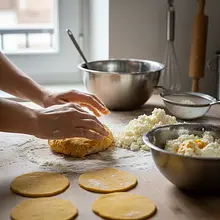
Transfer the dough to a lightly floured pastry board or kitchen countertop. Knead the dough by hand for about 8-10 minutes. Knead it vigorously, pushing it away from you with the base of your hands, folding it in half, and turning it 90 degrees. Continue until the dough becomes smooth, elastic, and springy. It should stop sticking to your hands and the countertop. Shape it into a ball.

Ingredients: Wheat flour type 500
If the dough is too sticky, add a little flour. If it is too hard, wet your hands with water and continue kneading. Properly kneaded dough should slowly return to its shape when pressed with a finger.
5

Transfer the shaped ball of dough back to the bowl, cover it with a damp kitchen towel or plastic wrap, and let it rest for about 30 minutes at room temperature. This time will allow the gluten in the flour to 'rest', making the dough more pliable and easier to roll out.

Do not skip this step! Resting the dough is key to achieving the perfect texture. Covering it prevents a dry crust from forming on the surface of the dough.

Shaping and baking the dumplings

6

After resting, divide the dough into two parts. Keep one part covered, and roll out the other on a floured surface into a very thin round about 2-3 mm thick. Try to roll from the center outwards, regularly turning the dough to prevent it from sticking to the countertop.

Ingredients: Wheat flour type 500
Use a wooden rolling pin. Thinly rolled dough is the secret to delicate dumplings. If the dough shrinks while rolling, it means it needs a few more minutes of resting.
7

Using a glass or a round cutter with a diameter of about 8-9 cm, cut circles from the dough. Gather the leftover dough, knead it back into a ball, and set it aside covered for re-rolling.

You can dip the rim of the glass in flour to prevent it from sticking to the dough. Try to cut the circles as close to each other as possible to minimize the amount of scraps.
8

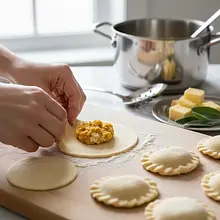
Place a heaping teaspoon of cold filling in the center of each circle. Fold the circle in half to create a crescent shape. Pinch the edges very tightly with your fingers to ensure the filling doesn't leak out during baking. You can also press the edges with the tines of a fork to create a decorative pattern.

This is the most important step! Make sure the edges of the dough are clean from filling, otherwise they won't seal. Place the sealed dumplings on a board or tray dusted with flour to prevent sticking.
9

Preheat the oven to 190°C (fan). Line two large baking sheets with parchment paper. Arrange the dumplings on the sheets with small gaps between them. In a small bowl, whisk the egg with one tablespoon of water. Using a kitchen brush, brush the top of each dumpling with a thin layer of egg. Additionally, if using, sprinkle the dumplings with pumpkin seeds.

Ingredients: Egg, Pumpkin seeds
Brushing with egg (the so-called 'egg wash') will give the pierogi a beautiful, golden color and shine. Do not apply too thick a layer to avoid creating 'scrambled eggs' on the pierogi.
10

Place the trays in the preheated oven and bake for about 20-25 minutes. The pierogi are ready when their tops are appetizingly golden brown, and the bottoms are slightly browned and firm to the touch.

Baking time may vary depending on the oven. Keep an eye on the dumplings towards the end of baking. If you have two trays, swap them halfway through baking (top to bottom, bottom to top) for even browning.

Butter and Nut Sauce

11

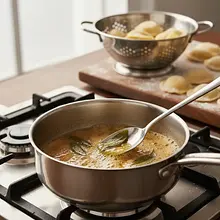
At the end of baking the pierogi, prepare the sauce. In a small skillet or saucepan with a light-colored bottom, place the butter. Heat over medium heat until it melts and starts to foam. Reduce the heat and continue heating, stirring, for 3-5 minutes. The butter will begin to change color to amber and release an intense, nutty aroma. Be careful not to burn it. Once it reaches the desired color, remove from heat, add coarsely chopped walnuts and the remaining sage leaves. Stir.

Ingredients: Butter, Walnuts, Fresh sage
Using a pan with a light bottom allows you to control the color of the butter. The browning (burning) process of the butter is very quick - it only takes a moment from perfect to burnt. Act quickly and stay alert.

Serving

12

Transfer the hot, baked dumplings to plates. Generously drizzle with the prepared burnt butter sauce, ensuring that each serving has crunchy nuts and aromatic sage leaves. Serve immediately while they are warm and crispy.

Ingredients: Parmesan
The dish tastes best right after preparation. You can additionally sprinkle it with freshly grated Parmesan to enhance the flavor.

Fun Fact

💡

The word 'pierogi' in Polish is already in plural form. Although the history of pierogi is long and likely dates back to China, they have become one of the national dishes in Poland. The baked version, known as kurniki or pieczoki, was popular in traditional Polish cuisine, often filled with buckwheat, mushrooms, or cabbage.

Best for

Tips

🍽️ Serving

Serve the dumplings on large, flat plates, preferably in earthy colors (beige, gray, graphite) to highlight the golden color of the dish. Arrange 6-7 dumplings per serving, drizzle with sauce, and top with a few whole, crispy sage leaves. You can add a dollop of thick, sour cream for a contrast in flavor and appearance.

🥡 Storage

Baked pierogi can be stored in an airtight container in the refrigerator for up to 2 days. It is best to reheat them in an oven preheated to 180°C for 5-7 minutes to regain their crispiness. Raw, shaped pierogi can be frozen - arrange them on a tray so that they do not touch, and after freezing, transfer them to a bag. Bake without thawing, extending the time by 10-15 minutes.

📸 Ugotowane przez społeczność

Zaloguj się, aby dodać zdjęcie
Dodaj zdjęcie gotowej potrawy

Po zatwierdzeniu przez moderatora otrzymasz 10 punktów doświadczenia.

🍲

Nikt jeszcze nie dodał zdjęcia. Bądź pierwszy!

Comments (0)

Be the first to comment on this recipe!

Add a comment

You might also like

Recipe Categories

Anything
Anything in: For Kids

Category Whatever is a random selection of recipes - for the undecided and open to experiments. Mixed categories: breakfasts, lunches, dinners, and desserts all in one place. Recipes from around the world - Polish cuisine alongside Asian and Italian. Meat and vegetarian - variety at your fingerti...

See all recipes in this category

Vegetarian cuisine is a wealth of flavors without meat - healthy, colorful, and filling. Plant-based proteins: lentils, chickpeas, beans, peas, and soy take center stage. Cheeses and dairy: feta, halloumi, ricotta, and mascarpone in main dishes. Eggs in various forms: omelets, frittata, shakshuka...

See all recipes in this category

Lunches are the main meal of the day - filling, balanced, and full of flavor. Traditional two-course lunches: soup and a main dish in Polish tradition. Pork chop with potatoes and cabbage - a classic of Polish lunches. Dumplings with meat, cheese, and fruit - hand-formed delicacies. Beef goulash,...

See all recipes in this category

Dishes for special occasions are culinary masterpieces for birthdays, anniversaries, and holidays. Grilled beef steak with herb butter - restaurant quality at home. Beef Wellington - beef in puff pastry with duxelles. Roast duck with apples - a holiday tradition in a new edition. Pink salmon with...

See all recipes in this category
Reklama