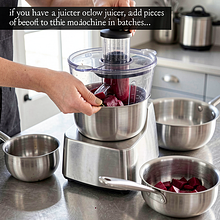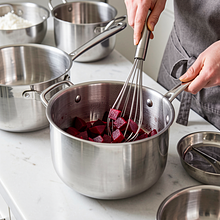
Wash the beets under running water with a vegetable brush to remove dirt. Remove the leaves (they can be saved for soup or salad). Peel the beets with a vegetable peeler or a knife if they have thick skin. Cut the beets into pieces about 2–3 cm in size, so they pass more easily through the juicer or cook faster for blending.
Description
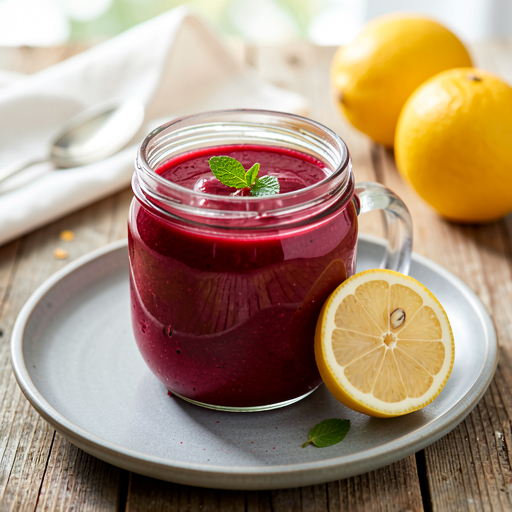
Refreshing beetroot juice with fresh lemon — a classic, healthy drink perfect for Easter breakfast and spring detox. The juice combines the earthy, slightly sweet flavor of beetroot with the sour, refreshing note of lemon; a delicate hint of ginger and a bit of honey (optional) add depth and soften the earthy character of the beetroot. The drink looks impressive: a deep burgundy color with bright lemon slices or a mint leaf. Serve chilled, as an aperitif with cold cuts and cheeses or as a healthy restorative drink. The recipe includes a method for juicer/press owners and a blender alternative with straining.
Ingredients Used
Ingredients (6)
- Beets (raw) 800 g
- Lemon 1.5 szt. (~120 g)
- Water 500 ml
- 🌿 Przyprawy
- Salt 1 g
- ✨ Opcjonalne
- Honey 30 ml
- Ginger 10 g
💡 Kliknij na składnik aby oznaczyć jako użyty
Preparation steps
Preparing the vegetables
Option A: Juicer / centrifugal juicer (faster)
If you have a juicer or a slow juicer, put pieces of beetroot into the device in batches. First, press a few pieces of beetroot and alternate them with slices of lemon (without seeds) for better flavor extraction. Collect the juice in a jug. Squeeze until most of the juice from the beetroots has been extracted — dry beetroot pulp in the container is an indicator: when it is dull and dry, the process is complete.
Option B: Blender and straining (for those without a juicer)
If you don't have a juicer, first cook the chopped beets in a small amount of water (about 200 ml) for 20–25 minutes until they are soft — check with a fork: it should go in smoothly. Drain and cool to a warm temperature, then place in a blender along with the juice of the squeezed lemon and 100–150 ml of water. Blend on high speed for 1–2 minutes until smooth. Strain the mixture through a fine sieve or a cheesecloth and squeeze out as much juice as possible with three hand movements; you can use the remaining pulp for bread or vegetable pâté.
Seasoning and mixing
Add the remaining water to the obtained juice (adjust the amount according to your preference: less water = more intense flavor). Squeeze the juice from the remaining lemons directly into the pitcher, stirring with a wooden spoon. If you are using ginger (optional), peel a thin layer and grate it finely, then add it to the juice. Add a pinch of salt — it will enhance the sweetness of the beet. Taste and sweeten with honey if necessary: add 5–10 g at a time and stir until dissolved.
Cooling
Strain the juice through a sieve again if you want a perfectly clear drink. Place the juice in the refrigerator for at least 30 minutes to chill — served very cold, it tastes best and has a fresh character. If you need quicker cooling, place the pitcher in a bowl of ice for 10–15 minutes.
Serving
Serve the juice in glasses with a few ice cubes, garnished with a thin slice of lemon and possibly a mint leaf. For an Easter table, arrange the glasses on a tray with fresh herbs and a small bowl of pulp as a snack for those interested. Before serving, stir the juice with a spoon — it may separate a little.
Remaining (pulp) – zero waste
The remaining pulp from juicing can be used: sauté it in a pan with a bit of rapeseed oil and onion as a topping for sandwiches, mix it with cottage cheese and herbs for a spread, or add it to sourdough bread. Don't throw away the pulp — it's a great way to reduce waste.
Fun Fact
In Poland, beetroot juice was traditionally consumed as a medicinal drink — beetroots are a source of nitrates, which help improve performance and lower blood pressure. In some regions, it was added to Easter tables as a symbol of health and strength.
Best for
Tips
Serve chilled, with a slice of lemon and an ice cube. For an elegant presentation, use a clear carafe and small glasses. The juice pairs well with white cheeses, cold cuts, and whole grain bread; it can also be served as a light aperitif before a heavier dish.
Store in a closed pitcher in the refrigerator for up to 48 hours. Before serving again, stir vigorously and taste — sweeten with honey if necessary. Long-term storage at room temperature is not recommended. It can be frozen in portions in ice cube trays.
📸 Ugotowane przez społeczność
Zaloguj się, aby dodać zdjęcieDodaj zdjęcie gotowej potrawy
Po zatwierdzeniu przez moderatora otrzymasz 10 punktów doświadczenia.
Nikt jeszcze nie dodał zdjęcia. Bądź pierwszy!
Comments (0)
Be the first to comment on this recipe!
Add a comment