Marinara sauce

Pikantne Additions Italian Cuisine 90 min Easy 56 wyświetleń ~11.16 PLN 5.0 (1)
Rate:
5.0 (1)
Start Cooking

Description

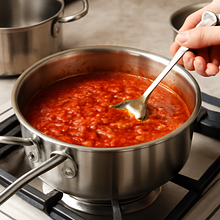
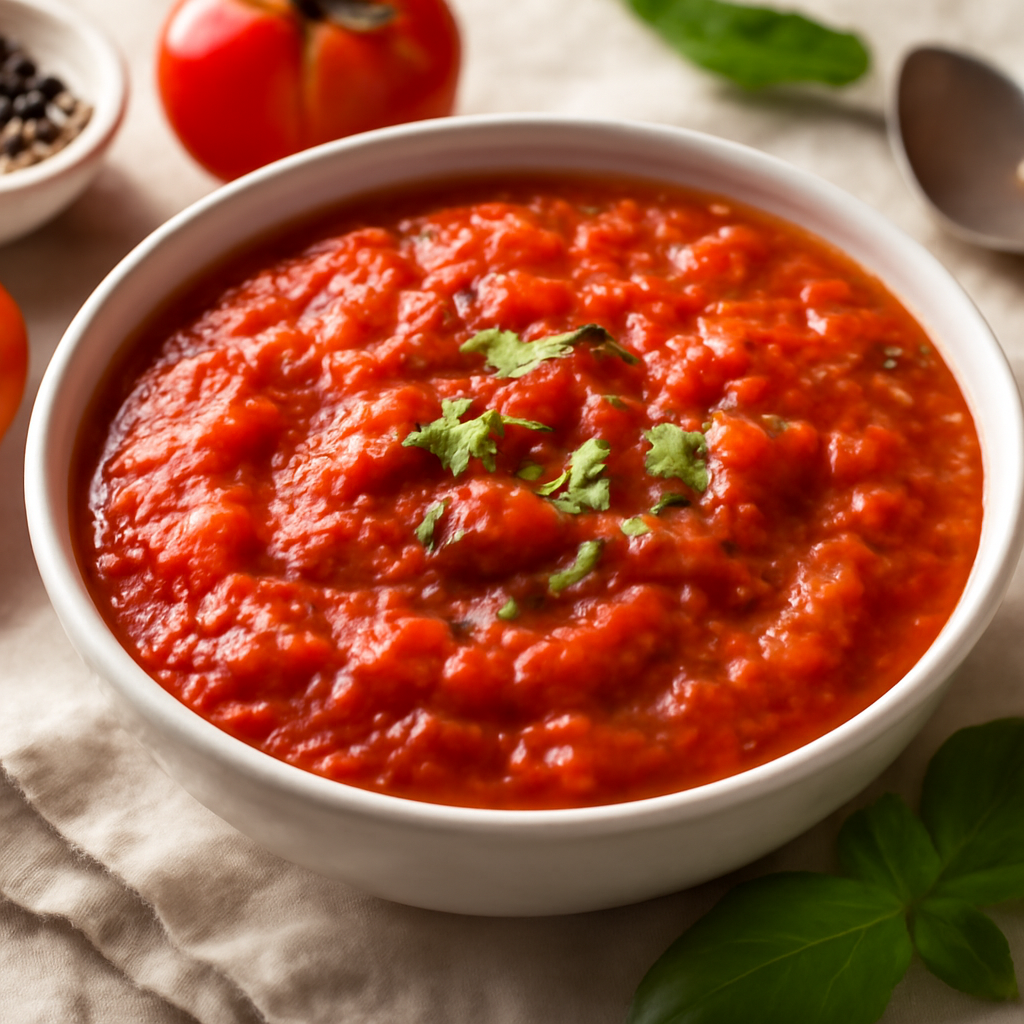
Marinara sauce is a classic, simple tomato sauce originating from southern Italy, known for its intense flavor of fresh tomatoes, garlic, and aromatic herbs. In the version presented below, we use canned tomatoes and tomato paste to achieve depth of flavor and a consistency suitable for pasta, meatballs, fish, or as a base for casseroles. The sauce has a distinct, fresh aroma of basil and oregano, a gentle sweetness (which can be adjusted), and a smooth, slightly thick texture. Visually, it appears as a shiny, ruby-red sauce with a green accent of fresh basil. The recipe consists of detailed steps for preparation, frying, simmering, and finishing — perfect for beginners who are cooking tomato sauce for the first time.

Ingredients Used

Ingredients (11)

Servings:
4
  • Tomato 6.7 szt. (~800 g)
  • Onion 1 szt. (~150 g)
  • Garlic 3 ząbki (~15 g)
  • Olive oil 30 ml
  • Tomato paste 30 g
  • 🌿 Przyprawy
  • Oregano 2 g
  • Basil 30 g
  • Salt 0.2 szczypt (~5 g)
  • Black pepper 2 szczypty (~1 g)
  • ✨ Opcjonalne
  • Butter 20 g
  • Sugar 5 g
💰 Szacowany koszt dania: ~11.16 PLN (2.79 PLN/porcję)

💡 Kliknij na składnik aby oznaczyć jako użyty

Preparation steps

Preparation of ingredients

1

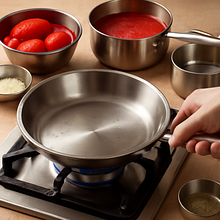
Prepare all the ingredients: peel the onion and cut it into thin half-moons (strips about 3-4 mm thick). Peel the garlic cloves and finely chop them with a knife or pass them through a press. Open the can of tomatoes; if they are whole, transfer them to a bowl and crush them with a fork or briefly blend with an immersion blender to achieve a uniform texture with pieces. Tear off a few large basil leaves for decoration, and tear the rest into smaller pieces just before use.

Ingredients: Onion, Garlic, Basil
Use a sharp chef's knife (20 cm blade) and a stable cutting board. If you don't have an immersion blender, you can crush the tomatoes with a spoon in a bowl. Chop the garlic very finely to release its aroma evenly.
Frying

2

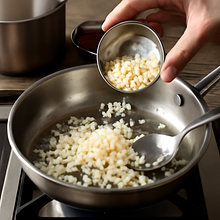
Place a medium-sized skillet (diameter 24–28 cm) on the stove and set the flame to medium. Add olive oil (30 g). After 30 seconds, when the oil is shimmering, toss in the chopped onion. Sauté for 6–8 minutes, stirring every 1–2 minutes with a wooden spoon, until the onion becomes translucent and slightly golden at the edges. Do not let it brown too much — the goal is to bring out the sweetness, not to burn it.

Ingredients: Onion, Olive oil
The best is a pan with a thick bottom or a wide pot with a diameter of 24–28 cm. Use a wooden or silicone spoon to avoid scratching the pan. When the onion starts to brown too quickly, reduce the heat.
3

Add the chopped garlic (15 g) to the sautéed onion and fry for 30–60 seconds, just until the garlic starts to release its intense aroma. Add the tomato paste (30 g) and stir for another 60 seconds, until the paste is lightly sautéed and combines with the oil — this will bring out its sweetness and reduce the raw taste.

Ingredients: Onion, Garlic, Olive oil, Tomato paste
Garlic burns very quickly and becomes bitter — sauté it briefly over medium heat. Use a silicone spatula to thoroughly combine the paste with the onion.

Stewing

4

Pour the prepared tomatoes (800 g) into the pan. If you are using whole tomatoes, crush them with a wooden spoon directly in the pot, so there are no large whole pieces. Add dried oregano (2 g). Stir everything vigorously, bring to a brief boil over medium heat (bubbles should appear and burst), then reduce the heat to low so the sauce simmers gently.

Ingredients: Oregano
If you want a smooth sauce, use an immersion blender on the lowest setting for 10–15 seconds — be careful of hot splashes while doing this. Blending is optional; marinara can also be rustic with chunks of tomato.
5

Allow the sauce to simmer on very low heat for 25–30 minutes uncovered. Stir every 5–7 minutes, scraping the edges of the pot to prevent anything from sticking. The sauce should reduce by about 25–35% and thicken so that a spoonful leaves a mark when held vertically (the sauce will coat the spoon). If it is too acidic, optionally add sugar (5 g) and mix.

Ingredients: Oregano, Sugar
Use a heavy-bottomed pot (diameter 22–24 cm) — it distributes heat evenly, preventing burning. Stewing over too high heat will cause splattering and uncontrolled evaporation.

Finishing and serving

6

At the end of cooking (the last 2 minutes), season the sauce with salt (5 g) and pepper (1 g). Remove the saucepan from the heat and add butter (20 g) if using — stir vigorously until melted, which will give the sauce a silky consistency. Add 3/4 of the torn fresh basil (leave the remaining part for decoration) and gently mix. Taste and adjust with additional salt or sugar if necessary.

Ingredients: Basil, Salt, Black pepper, Butter
Butter is optional, but it balances the acidity of the tomatoes well. Add fresh basil at the end so it doesn't lose its aroma and vibrant color.
7

Decide whether you want a smooth sauce or one with chunks: for a smooth consistency, blend the sauce with an immersion blender (short, pulsing motions, 5–15 seconds). For a rustic texture, leave the tomato pieces. Serve hot — as a side for pasta (mix the well-drained pasta in a pot with the sauce), with fish dishes, as a base for casseroles, or as a dip for bread.

Ingredients: Basil
When blending hot sauce, keep the blender stable at the bottom and blend briefly to prevent splattering of the hot contents. If the sauce is intended for pasta, reserve 2-3 tablespoons of pasta cooking water for possible thinning of the sauce.

Fun Fact

💡

The name 'marinara' comes from the Italian word 'marinaro' — sailor. Traditionally, the sauce was simple and quick to prepare on ships, which is why it consisted of easily accessible ingredients: tomatoes, garlic, and herbs.

Best for

Tips

🍽️ Serving

Serve the sauce immediately after preparation with hot pasta, mixing both elements in the pan to allow the pasta to absorb the flavor. For garnish, use fresh basil leaves and a drizzle of olive oil. It pairs well with hard cheese (e.g., Parmesan) — if you don't have any, add a little butter to the sauce.

🥡 Storage

Store the sauce in an airtight container in the refrigerator for up to 4 days or freeze in portions for up to 3 months. To reheat, use a saucepan over low heat, stirring to prevent sticking; if the sauce thickens too much, add 1–2 tablespoons of water or pasta cooking water.

📸 Ugotowane przez społeczność

Zaloguj się, aby dodać zdjęcie
Dodaj zdjęcie gotowej potrawy

Po zatwierdzeniu przez moderatora otrzymasz 10 punktów doświadczenia.

🍲

Nikt jeszcze nie dodał zdjęcia. Bądź pierwszy!

Comments (0)

Be the first to comment on this recipe!

Add a comment

You might also like

Recipe Categories

Additions
Additions in: New Year's Eve

Side dishes should complement the main courses, introducing variety and color to the New Year's table.

See all recipes in this category

Italian cuisine is love at first bite - pasta, pizza, and amore on the plate. Pasta in all shapes: spaghetti, penne, rigatoni, tagliatelle, and lasagna with homemade sauces. Italian sauces: bolognese, carbonara, pomodoro, pesto, and aglio e olio - classics. Neapolitan pizza with a crispy crust an...

See all recipes in this category
Reklama