Valentine's Spaghetti Bolognese

Pikantne Main dishes Italian Cuisine 90 min Medium 34 wyświetleń ~83.26 PLN - (0)
Rate:
(0)
Start Cooking

Description

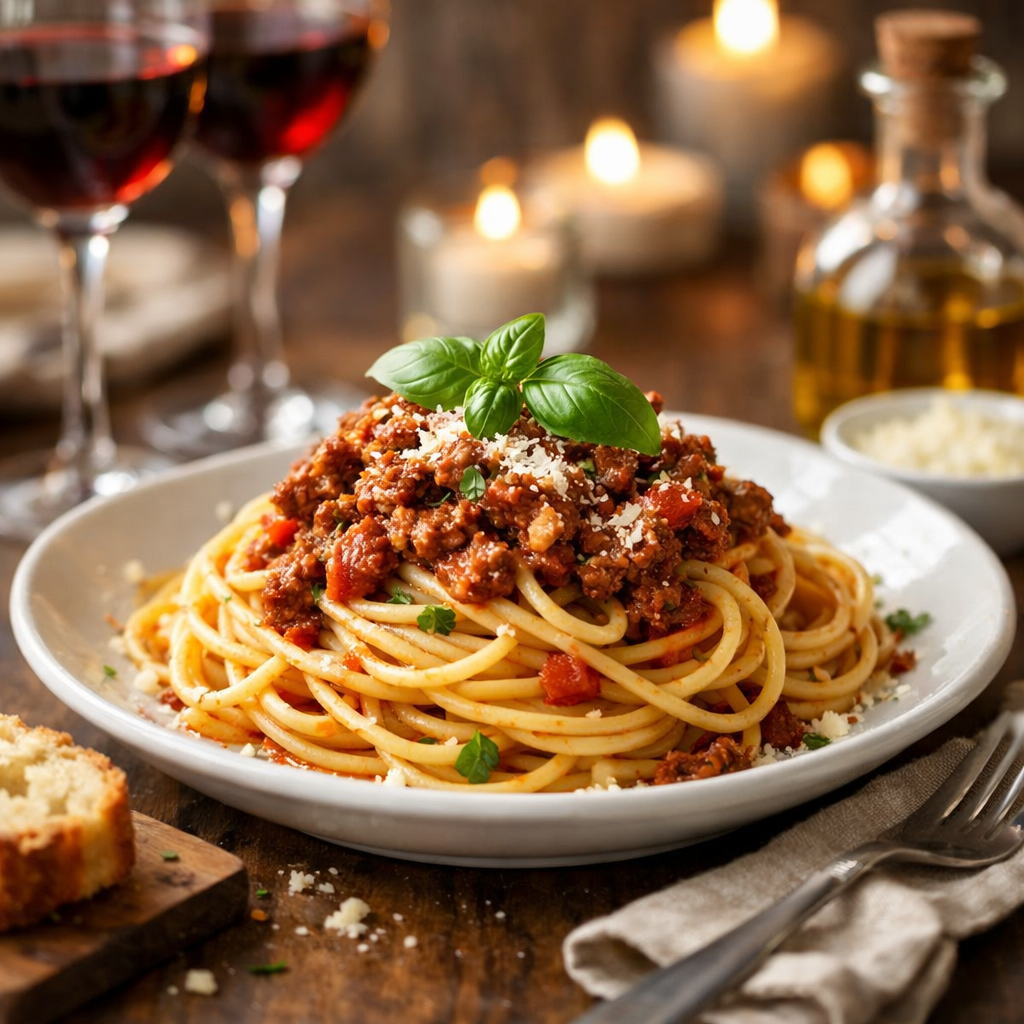
Classic spaghetti bolognese with a Valentine's twist — a deep red, aromatic meat sauce made from sautéed vegetables and red wine, highlighted by the gentle sweetness of roasted beetroot (optional) for intense color and a velvety texture. This dish is inspired by the Italian tradition of ragù alla bolognese, slightly adapted here: we use a mix of ground meat, carrots, and celery, simmering it for a long time to ensure the meat is tender and the flavors are harmonized. Serve with al dente spaghetti, freshly grated parmesan (optional), and a glass of red wine. Perfect for a romantic dinner — visually juicy and aromatic, rich and warming in flavor.

Ingredients Used

Ingredients (18)

Servings:
4
  • Spaghetti pasta 400 g
  • Ground meat 600 g
  • Onion 1 szt. (~150 g)
  • Carrot 2.5 szt. (~200 g)
  • Celery 80 g
  • Garlic 2 ząbki (~10 g)
  • Olive oil 30 ml
  • Butter 20 g
  • Tomato paste 60 g
  • Red wine 150 ml
  • Milk 100 ml
  • Dried thyme 2 g
  • Canned tomatoes (diced) 400 g
  • 🌿 Przyprawy
  • Salt 0.2 szczypt (~5 g)
  • Black pepper 4 szczypty (~2 g)
  • Bay leaf 6.7 szt. (~2 g)
  • ✨ Opcjonalne
  • Beets (raw) 150 g
  • Parmesan cheese 80 g
💰 Szacowany koszt dania: ~83.26 PLN (20.81 PLN/porcję)

💡 Kliknij na składnik aby oznaczyć jako użyty

Preparation steps

Preparation of ingredients

1

Prepare all the ingredients: peel the onion and chop it into small cubes (about 5 mm), peel the carrot and grate it on a coarse grater or chop it into small cubes, wash and slice the celery stalk into thin slices (about 3-4 mm). Peel two cloves of garlic and finely chop or press them through a garlic press. If you are using beetroot (optional) — wash it, wrap it in aluminum foil and bake in an oven preheated to 200°C for 45–60 minutes until soft (check by inserting a knife — it should go through without resistance). After baking, let it cool, peel, and grate it or mash it with a fork into a puree.

Use a sharp knife and a cutting board; a grater for carrots and beets will make the work easier. If you don't have an oven or want to skip the beet, move on — the beet is optional. To recognize a cooked beet: the knife goes in easily and the beet has a vibrant color.
Bolognese sauce

2

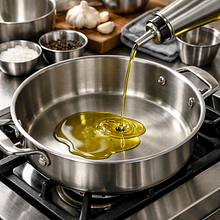
In a large, wide pot or saucepan with a thick bottom (minimum diameter 24 cm), heat olive oil over medium heat. Add butter and wait for it to melt. Add the prepared onion, carrot, and celery. Sauté over medium heat for 8–12 minutes, stirring every 1–2 minutes with a wooden spoon, until the vegetables soften and become slightly translucent, and the edges start to turn golden. They should lose their rawness but not burn. Season the vegetables with a pinch of salt at this stage to help them release their juices more quickly.

Use a wide pot so that the vegetables have space and moisture can evaporate. You can extend the frying time by a few minutes for a deeper flavor, but do not burn them — burnt pieces will give a bitter taste.
3

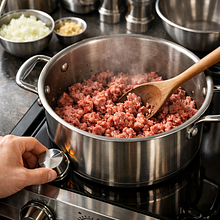
Slightly increase the heat and add the ground meat to the pot. Break it apart with a wooden spoon into small pieces evenly across the surface. Cook for 8–12 minutes, until the meat is evenly browned and no longer pink. If there is excess fat in the pot (more than 2–3 tablespoons), drain some into a separate bowl, leaving the tasty browned bits at the bottom.

Do not stir the meat constantly — let it brown for 1–2 minutes on one side, then flip it. Browning adds flavor (Maillard reaction). Use a wide spatula or turner for breaking it apart.
4

Add the chopped garlic and tomato paste. Sauté for 1–2 minutes, stirring, until the paste starts to darken and releases an intense aroma (do not burn it).

It's worth sautéing the concentrate to lose its raw taste — no longer than 2 minutes, just enough for it to change its smell and color.
5

Pour the red wine into the pot, let it sit for 30 seconds, and use a spatula to scrape off any browned bits from the bottom (deglazing). Cook for 2–3 minutes until the alcohol smell dissipates and the volume slightly reduces.

Good deglazing enhances the flavor of the sauce — use a wooden or silicone spoon to scrape up the browned bits.
6

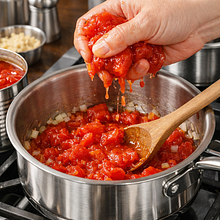
Add the canned tomatoes. If they are whole, crush them by hand or with a wooden spoon into smaller pieces as you add them to the pot. Add the bay leaf and dried thyme, as well as salt and pepper. Pour in the milk. Stir and bring to a gentle boil, then reduce the heat to very low so that the sauce simmers lightly.

Milk softens the acidity of the tomatoes and makes the sauce creamier. Keep the temperature low — aggressive bubbling will make the sauce too acidic.
7

Simmer the sauce over very low heat for 40–50 minutes, uncovered or slightly covered (with the lid slightly ajar), stirring every 8–10 minutes. Check the consistency — the sauce should reduce, become thick, and some of the fat from the meat should rise to the surface. If it becomes too thick, add 2–3 tablespoons of pasta cooking water (reserve it for later).

Slow simmering is key — the longer, the deeper the flavor. Make sure not to burn the bottom; when simmering for a longer time, stir more often.
8

If you are using roasted beet puree (optional), add it to the sauce during the last 8–10 minutes of simmering and mix well — the beet will add deep color and subtle sweetness. Taste the sauce and season with salt and pepper to your liking.

Beetroot is optional; add it only if you want an intense color and an earthy note. After adding the beetroot, check if the sauce is not too sweet; if necessary, adjust with salt.

Pasta

9

At the end of simmering the sauce, bring a large pot of water to a boil (at least 4 liters). When the water is boiling, add 30 g of salt for 3–4 liters (about 1 tablespoon) — the water should be distinctly salty. Add the spaghetti and cook according to the package instructions, usually 8–10 minutes, but 1–2 minutes before the end of the time, taste the pasta: it should be al dente — soft on the outside, slightly firm in the center.

Use a large pot so the pasta has enough space. Do not add oil to the water — it makes it harder for the sauce to stick to the pasta. Reserve 150 ml of the pasta cooking water before draining and keep it for the sauce.

Assembly and serving

10

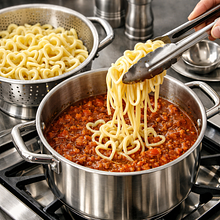
Transfer the cooked pasta directly to the pot with the sauce (use tongs or a colander). Add 2–3 tablespoons of the reserved cooking water and mix vigorously for 1–2 minutes to coat the pasta with the sauce. Add 20 g of butter and gently mix until the butter melts and gives a shine. Taste and season with salt and pepper.

Stirring the pasta in the sauce over heat allows the ingredients to combine. If the sauce seems too thick, add another 1–2 tablespoons of cooking water.
11

On the plates, form a portion of spaghetti: use a spoon and fork (or tongs) to twirl the pasta into an aesthetically pleasing "nest." For a Valentine's effect, you can use a heart-shaped metal mold: place it on the plate and fill it with pasta, then gently lift the mold. Generously sprinkle with freshly grated Parmesan (optional). Serve immediately with a glass of red wine.

If serving in the shape of a heart, make sure the mold is stable and cold. Parmesan cheese wonderfully enhances the flavor of the sauce — add just before serving.

Additional tips

12

If you want to prepare the sauce a day in advance — cool it quickly (spread a thin layer in a wide dish), store it in the fridge for up to 48 hours. Before serving, heat it gently, adding a bit of pasta cooking water or milk to restore its creaminess. In the version without beetroot, skip the roasting step.

The sauce often tastes better the next day because the flavors meld together. Reheat slowly to avoid losing the aroma.

Fun Fact

💡

Italian ragù alla bolognese is traditionally not served with long spaghetti, but with tagliatelle — however, the spaghetti variant has become popular worldwide. The addition of beetroot is a modern twist, used for color and subtle sweetness.

Best for

Tips

🍽️ Serving

Serve immediately after mixing with the pasta, hot. Add freshly grated Parmesan to the plate (optional). For an elegant presentation, use a heart-shaped mold or twist the pasta into a nest and place it in the center of the plate. Serve with a simple green salad drizzled with olive oil and balsamic vinegar.

🥡 Storage

Store the sauce in an airtight container in the refrigerator for up to 48 hours. Frozen sauce can be stored for up to 3 months — thaw in the refrigerator the night before reheating. Pasta is best prepared fresh; if there are leftovers, store separately from the sauce and reheat with a little water.

📸 Ugotowane przez społeczność

Zaloguj się, aby dodać zdjęcie
Dodaj zdjęcie gotowej potrawy

Po zatwierdzeniu przez moderatora otrzymasz 10 punktów doświadczenia.

🍲

Nikt jeszcze nie dodał zdjęcia. Bądź pierwszy!

Comments (0)

Be the first to comment on this recipe!

Add a comment

You might also like

Recipe Categories

Main courses are the heart of every meal - hearty, nutritious, and full of flavor. In this category, we present a rich selection of recipes for lunches and dinners that will satisfy even the most discerning palates. From classic Polish pork chops to aromatic chicken dishes, to exquisite steaks an...

See all recipes in this category

Italian cuisine is love at first bite - pasta, pizza, and amore on the plate. Pasta in all shapes: spaghetti, penne, rigatoni, tagliatelle, and lasagna with homemade sauces. Italian sauces: bolognese, carbonara, pomodoro, pesto, and aglio e olio - classics. Neapolitan pizza with a crispy crust an...

See all recipes in this category
Reklama