Avocado (optional)
Description
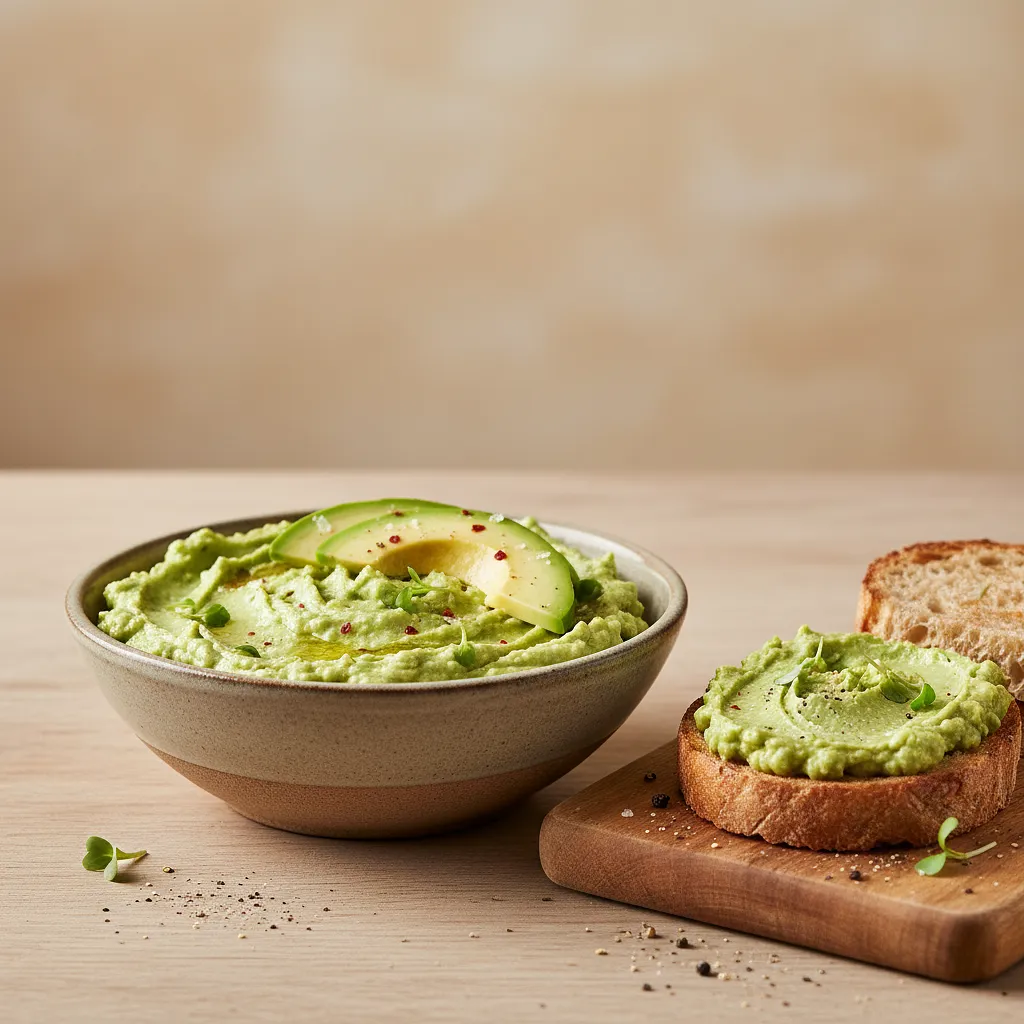
Avocado (optional) has a creamy, buttery texture and a subtle, slightly nutty flavor; the flesh is light green closer to the skin and yellowish near the pit, and the Hass variety is distinguished by its dark, bumpy skin. From a nutritional standpoint, avocado is rich in monounsaturated fatty acids (mainly oleic acid), fiber, potassium, and vitamins E, K, C, and several from the B group, including folates, which support heart health, regulate cholesterol levels, improve the absorption of fat-soluble vitamins, and provide a lasting feeling of fullness. In the kitchen, it pairs well with salads, canapés, guacamole, smoothies, dressings, sushi, and as a fat substitute in baking or creams; it goes great with lemon, tomato, egg, and salmon. Unripe fruits should be stored at room temperature (placing them in a paper bag with an apple speeds up ripening), while ripe ones go in the fridge for a few days; cut avocado should be sprinkled with lemon juice and tightly sealed to limit browning.