Foie gras
Description
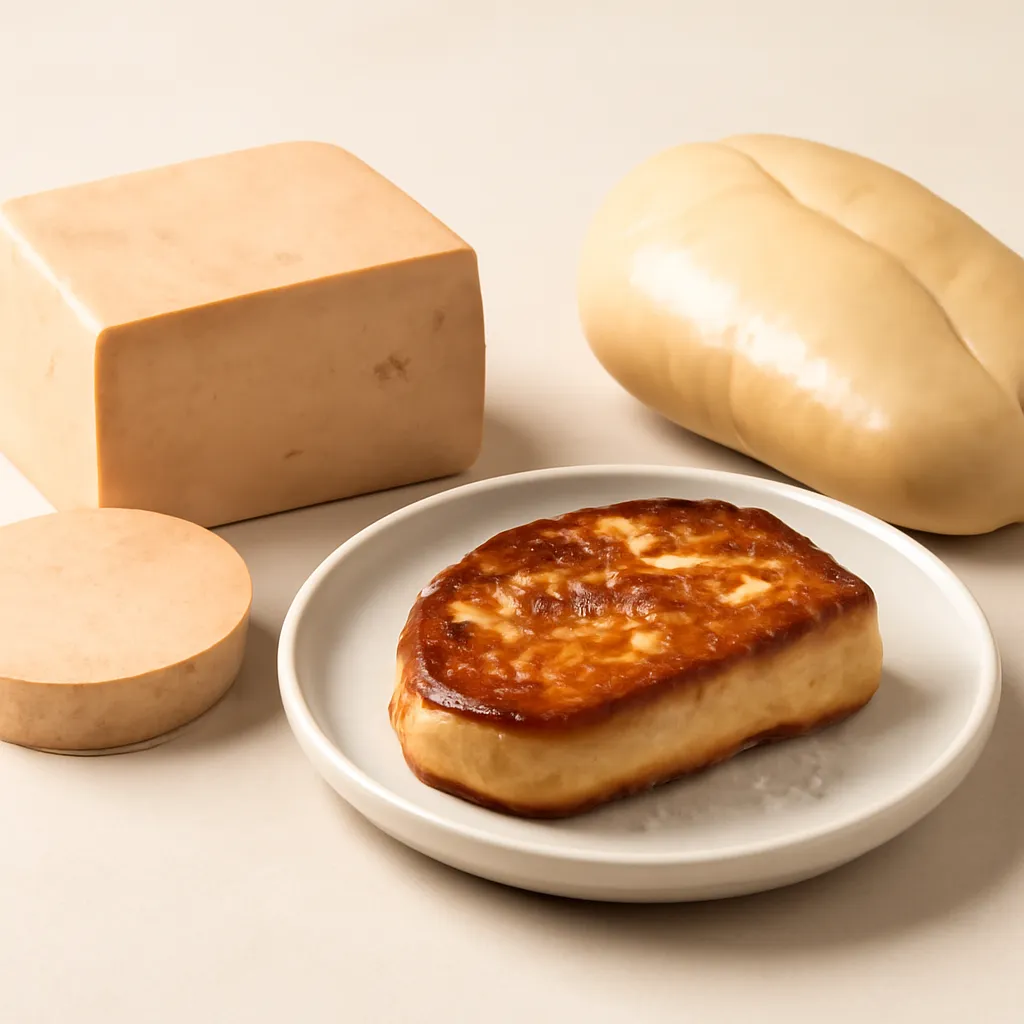
Foie gras is a velvety, intensely buttery duck or goose liver with a delicate, creamy texture and a color ranging from creamy beige to light caramel. It combines umami notes with a slightly nutty and sweet flavor, and when served as a block, terrine, or seared, it delights with its smooth structure and elegant presentation on the plate. From a nutritional standpoint, foie gras is calorie-dense and rich in fats, including monounsaturated fats, as well as vitamin A, iron, and B vitamins, making it a valuable source of micronutrients when consumed in moderation; due to its high content of saturated fats and cholesterol, it is advisable to eat it occasionally. In the kitchen, it is used as pâté, torchon, or fillets sautéed until lightly browned, served on brioche, with fruit jams, Sauternes wine, or simple salads. It should be stored in a cool place (0–4°C), preferably in vacuum packaging; once opened, consume within 2–3 days. It can also be frozen in tightly packed portions for about 3 months, thawing slowly in the refrigerator.