Artichoke
Description
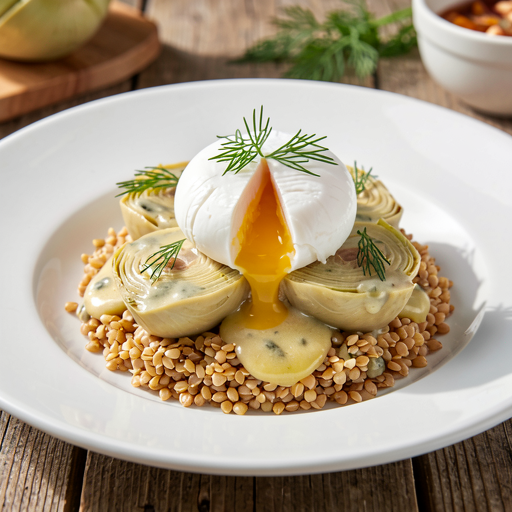
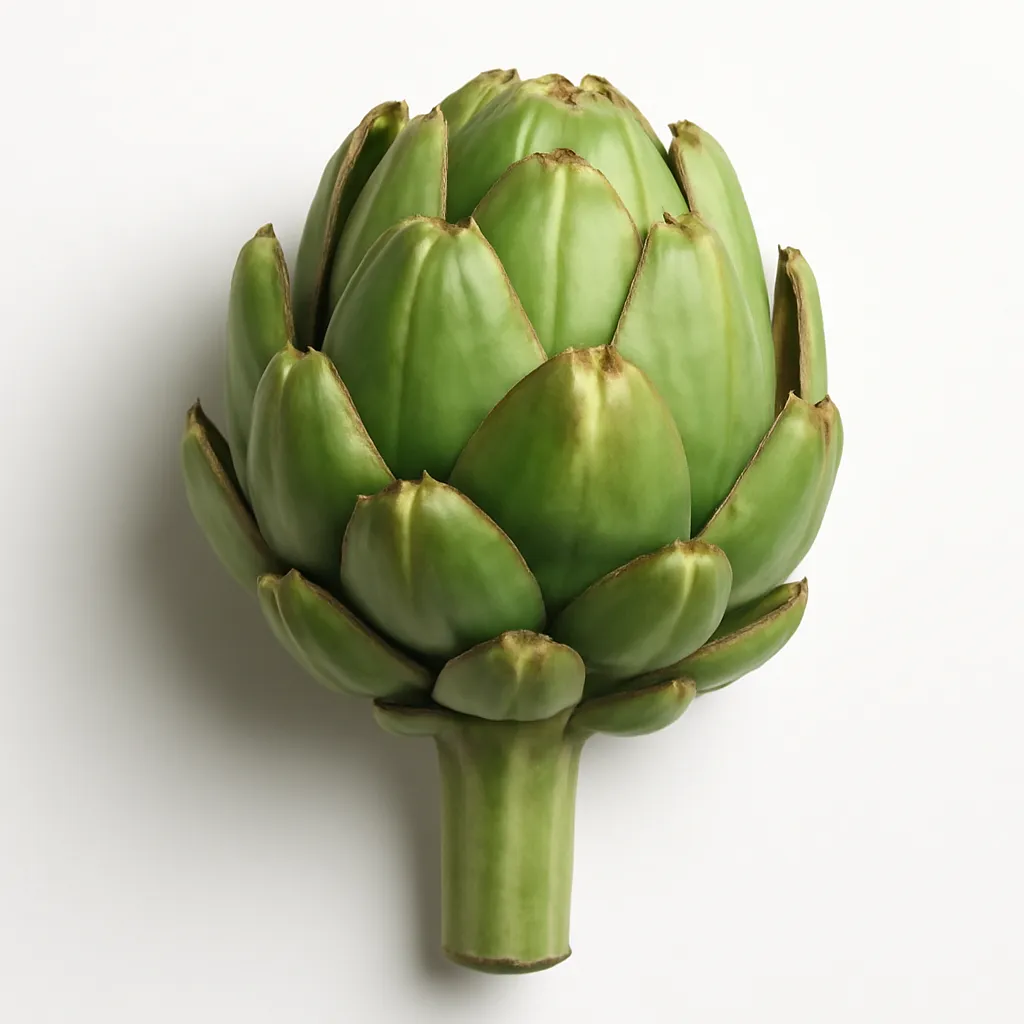
The artichoke has a distinctive appearance: a round bud with fleshy leaves in shades of green and purple, and a hard, edible heart with a subtly nutty-herbaceous flavor and a hint of sweetness. After cooking, the leaves become tender, and the interior velvety, making the artichoke an elegant addition to dishes and a standalone ingredient with a delicate, refined flavor profile. It is low in calories, rich in fiber and inulin (a prebiotic), and contains vitamin C, K, folic acid, potassium, and antioxidants, including the compound cynarin, which supports digestion, liver health, and cholesterol regulation. Culinary uses include steaming, braising, grilling, baking, and using the hearts as an ingredient in salads, risottos, pastes, tapas, or dips. Store artichokes in the refrigerator in a loose, moist environment (e.g., wrapped in a damp paper towel in a perforated bag), do not wash before storing, and use within 5–7 days; cooked hearts can be frozen.