Nectarine
Description
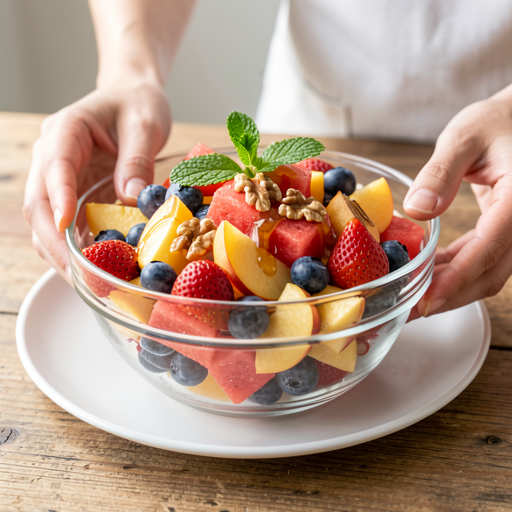
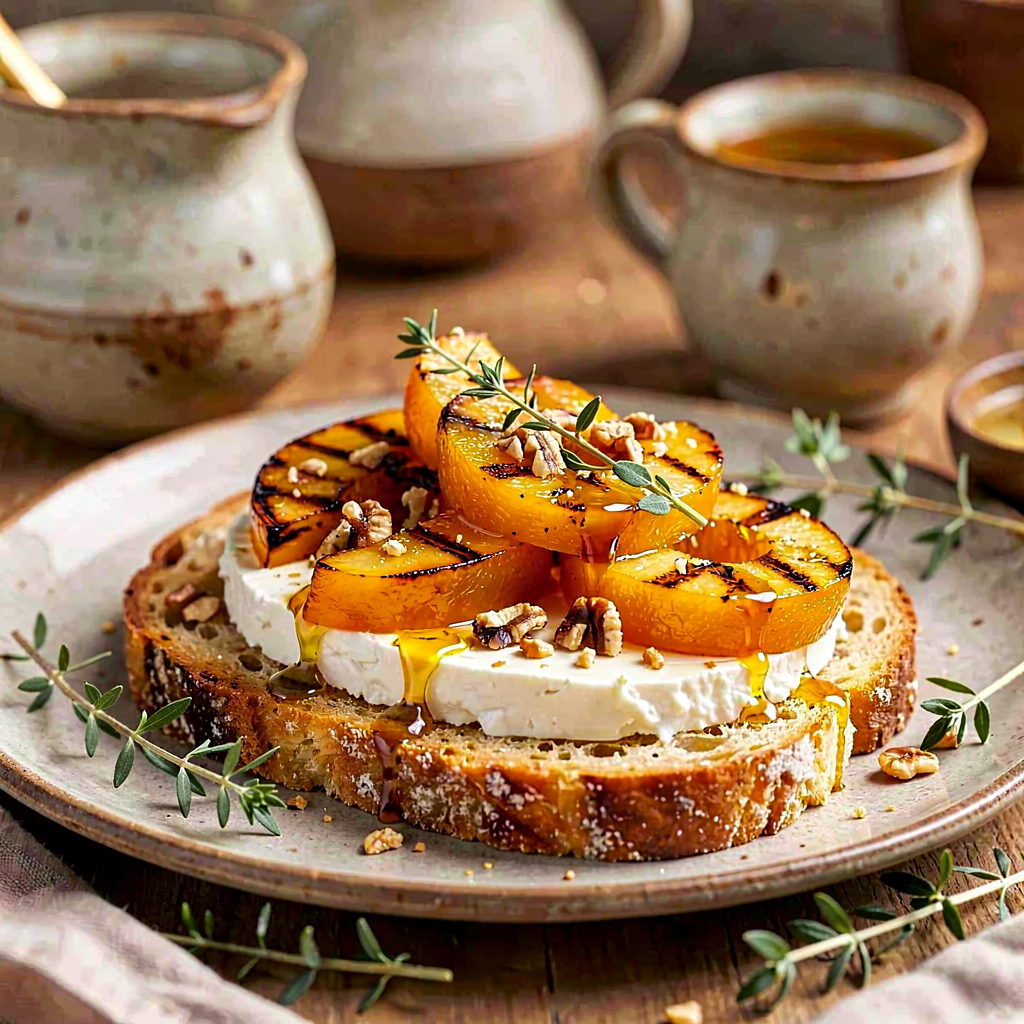
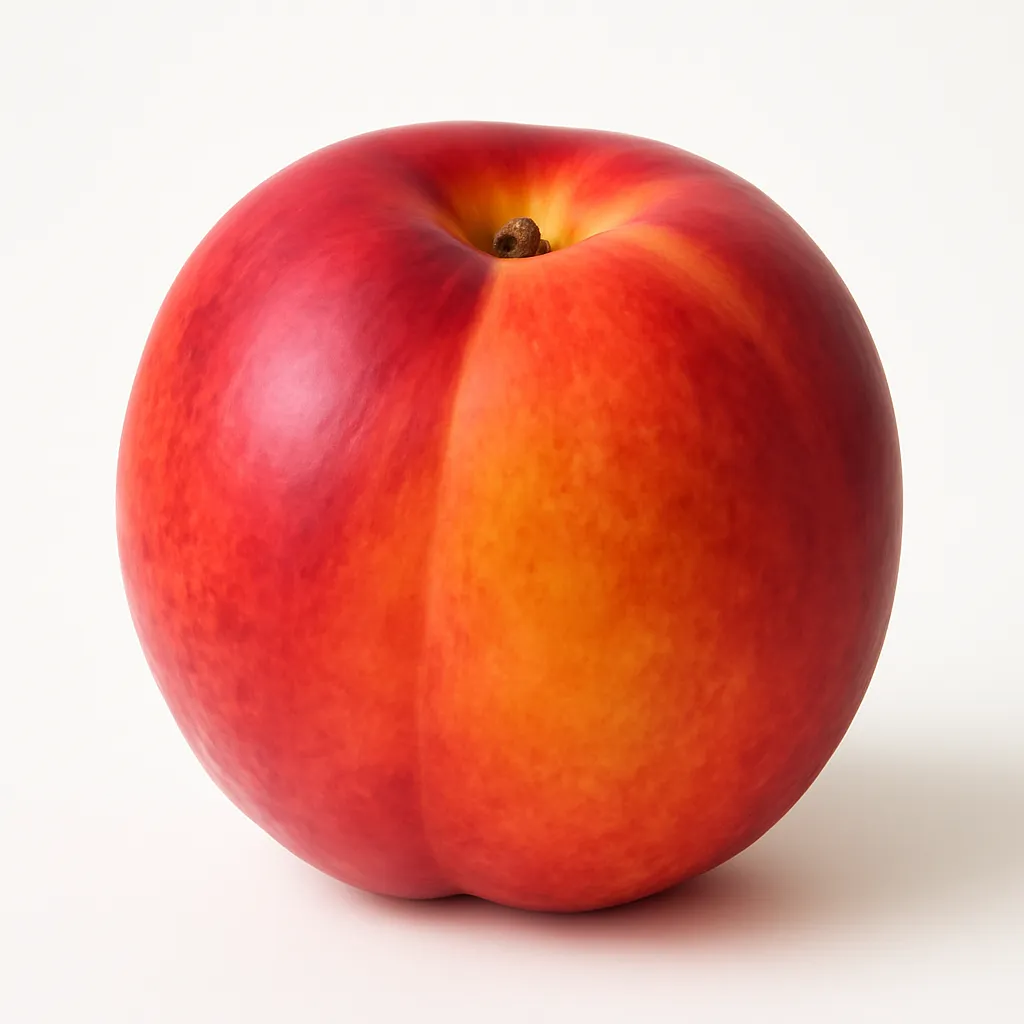
Nectarine has a smooth skin with warm shades of yellow and red, and juicy, yellow-orange flesh with a sweet-tart, intense aroma and a delicate, slightly fibrous texture. It is less "fuzzy" than a peach, often firmer and more aromatic, making it pleasant to eat raw. From a nutritional standpoint, nectarines provide vitamins C and A, dietary fiber, potassium, and beneficial antioxidants, supporting immunity, digestion, and skin health while being relatively low in calories. In the kitchen, they work well raw in salads, smoothies, and desserts, as well as grilled, baked, in jams, or sauces for poultry and pork, pairing well with aged cheeses, honey, and herbs. Continuous ripening occurs at room temperature, so unripe fruits should be kept out of the fridge, while ripe ones should be stored in the refrigerator in an airtight container and used within a few days, avoiding crushing and excessive moisture.