Rhubarb
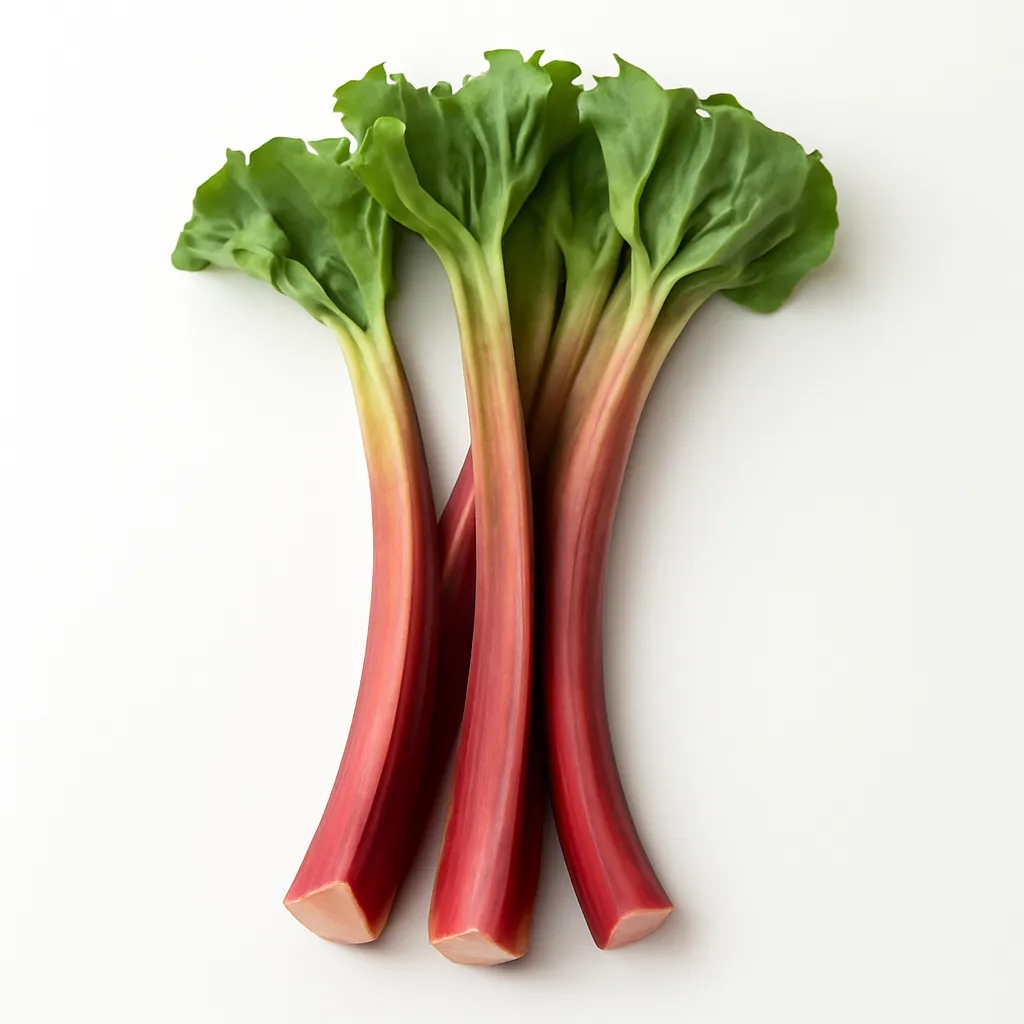
Description
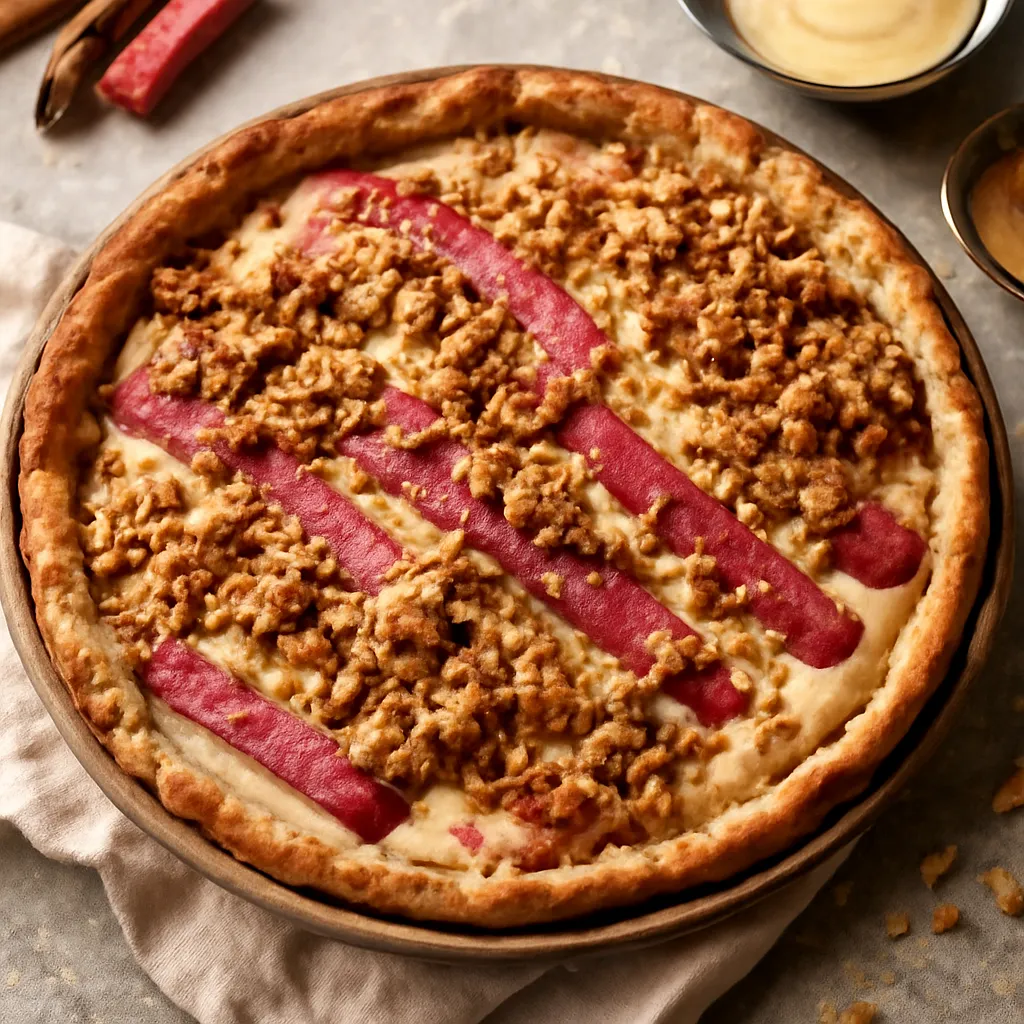
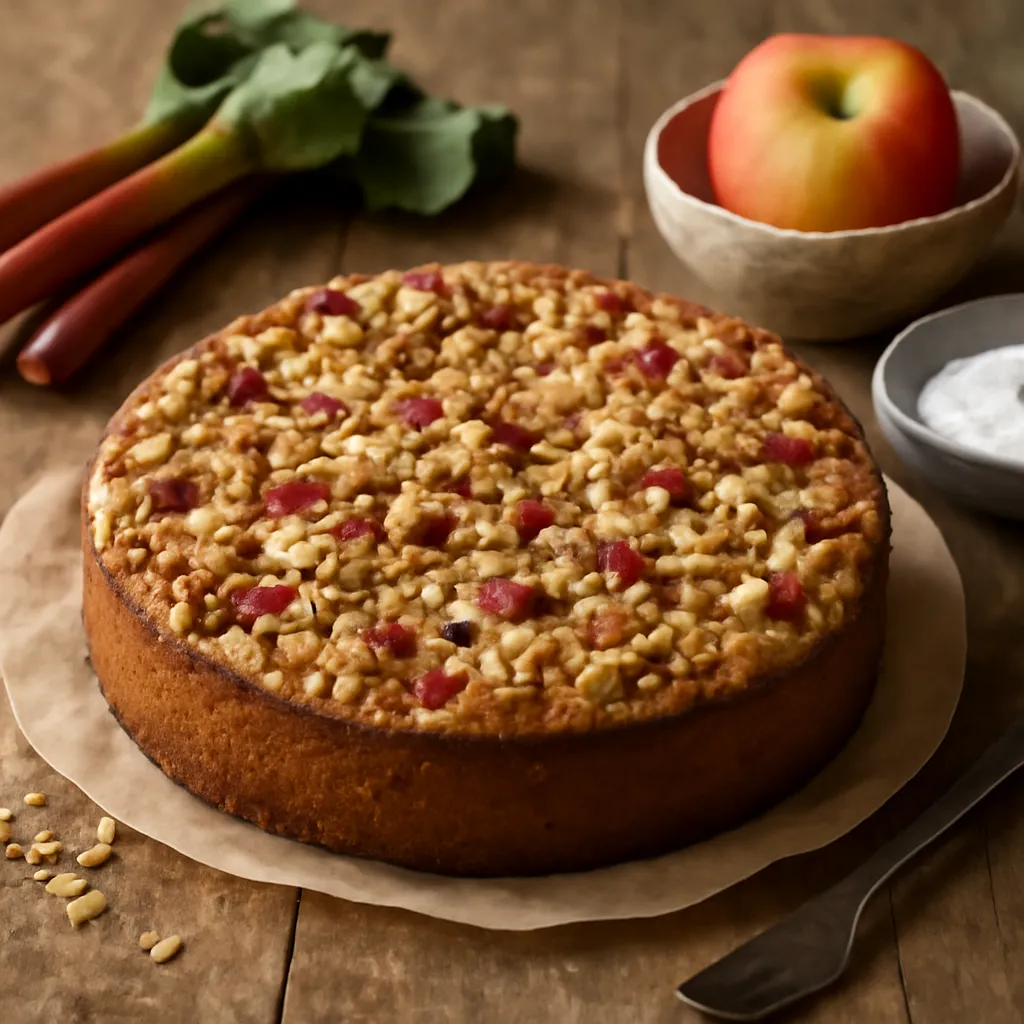
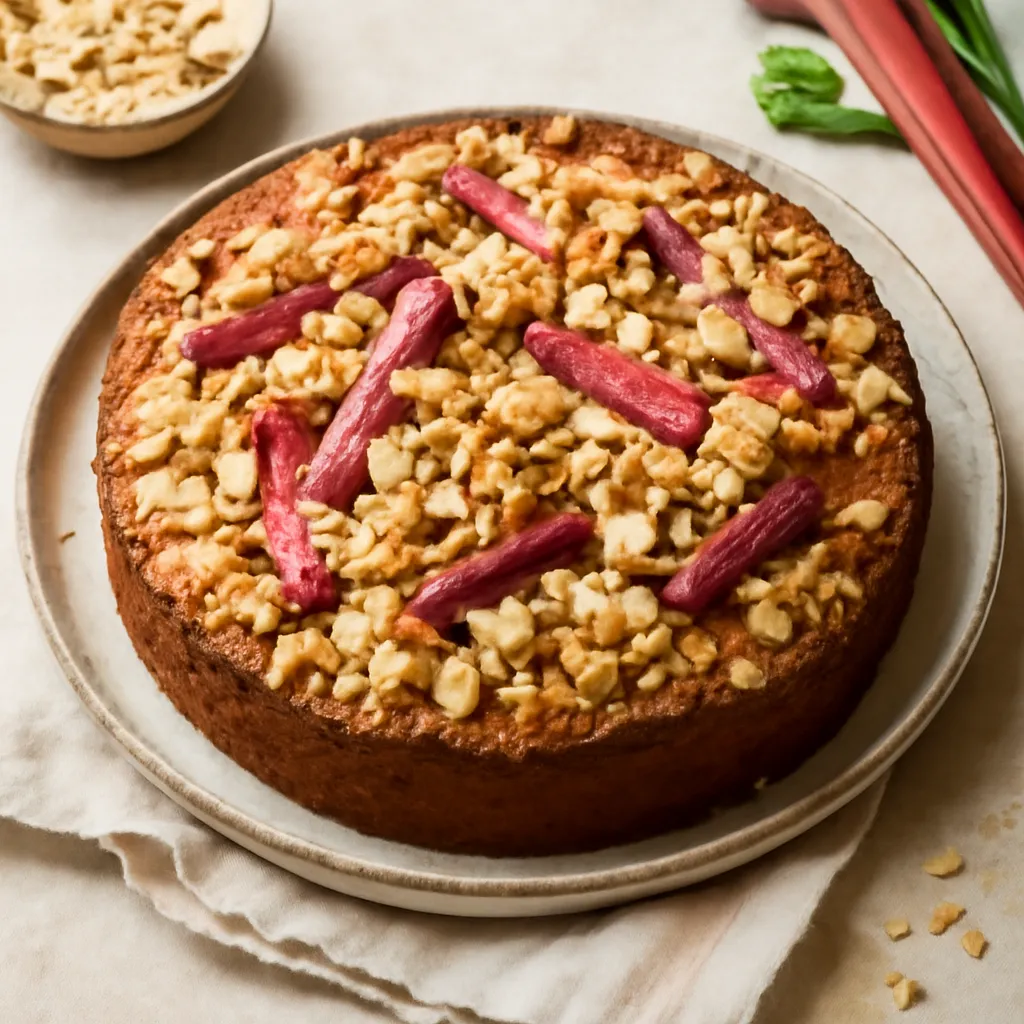
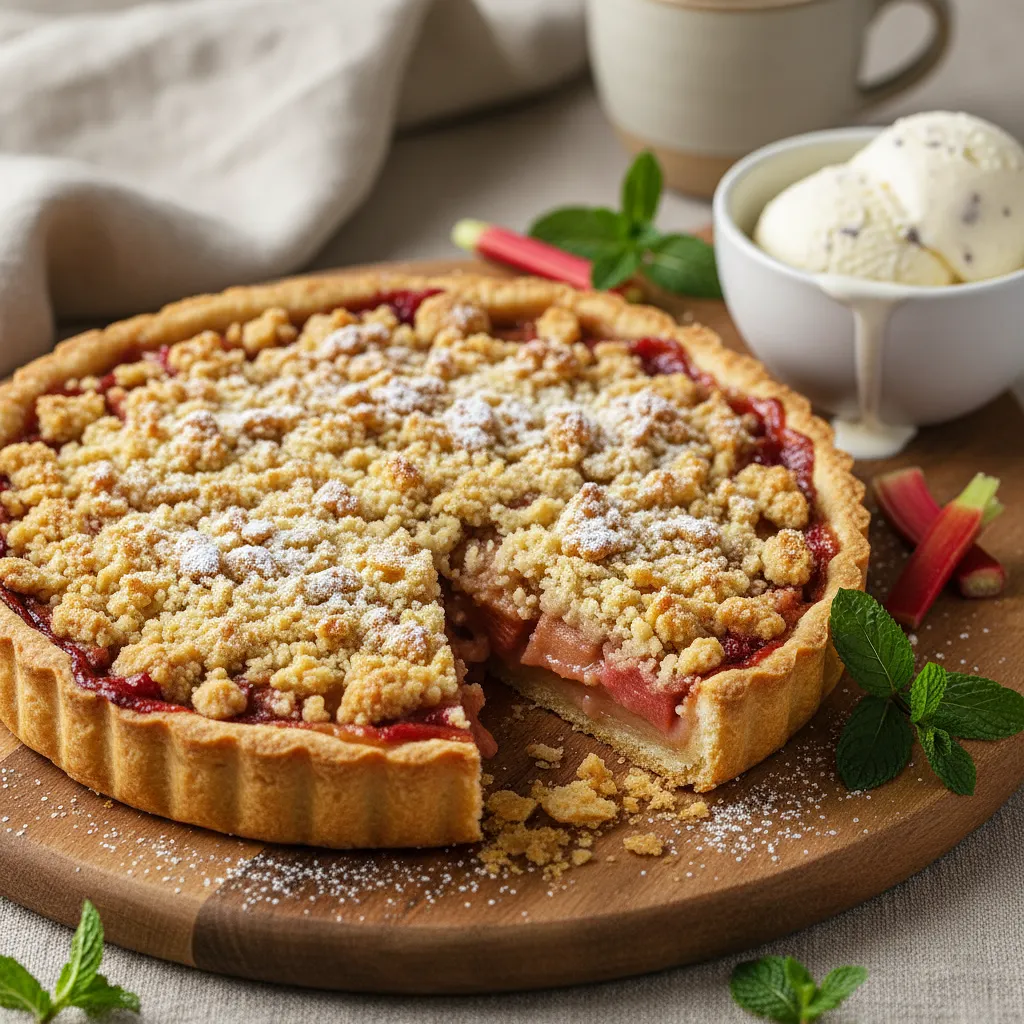
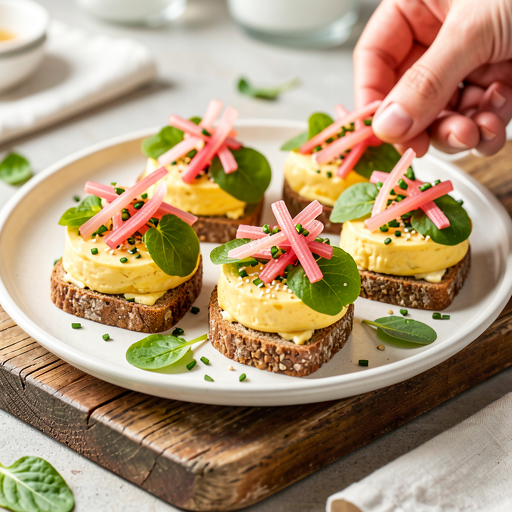
Rhubarb has a distinct, sour taste with a slight tartness and a crunchy, juicy texture; the stalks can be green, pink, or intensely red, while the leaves are large and inedible due to toxic oxalates. Nutritionally, rhubarb is low in calories, rich in fiber, vitamin C, vitamin K, calcium, potassium, and polyphenols with antioxidant properties, although it also contains oxalates, so individuals with kidney stones should limit its consumption. In the kitchen, rhubarb works wonderfully in desserts (cakes, compotes, jams), paired with sweet fruits like strawberries, and in sauces, chutneys, and marinades for meats and fish, where it balances rich flavors. Store washed and dried stalks wrapped in a damp paper towel in a plastic bag in the refrigerator drawer for up to a week; it can also be chopped and frozen on a tray, then stored in a bag.