Start by preparing the lemons. Wash them thoroughly under warm running water, scrubbing the skin with a brush. Then, pour boiling water over them to remove wax and impurities. Dry with a paper towel. Using a fine grater (also known as a zester), grate the yellow part of the peel from two lemons, being careful not to grate the white, bitter part (albedo). Next, cut all the lemons in half and squeeze out the juice until you have 150 ml. Strain the juice through a fine sieve to remove seeds and pulp.
Description
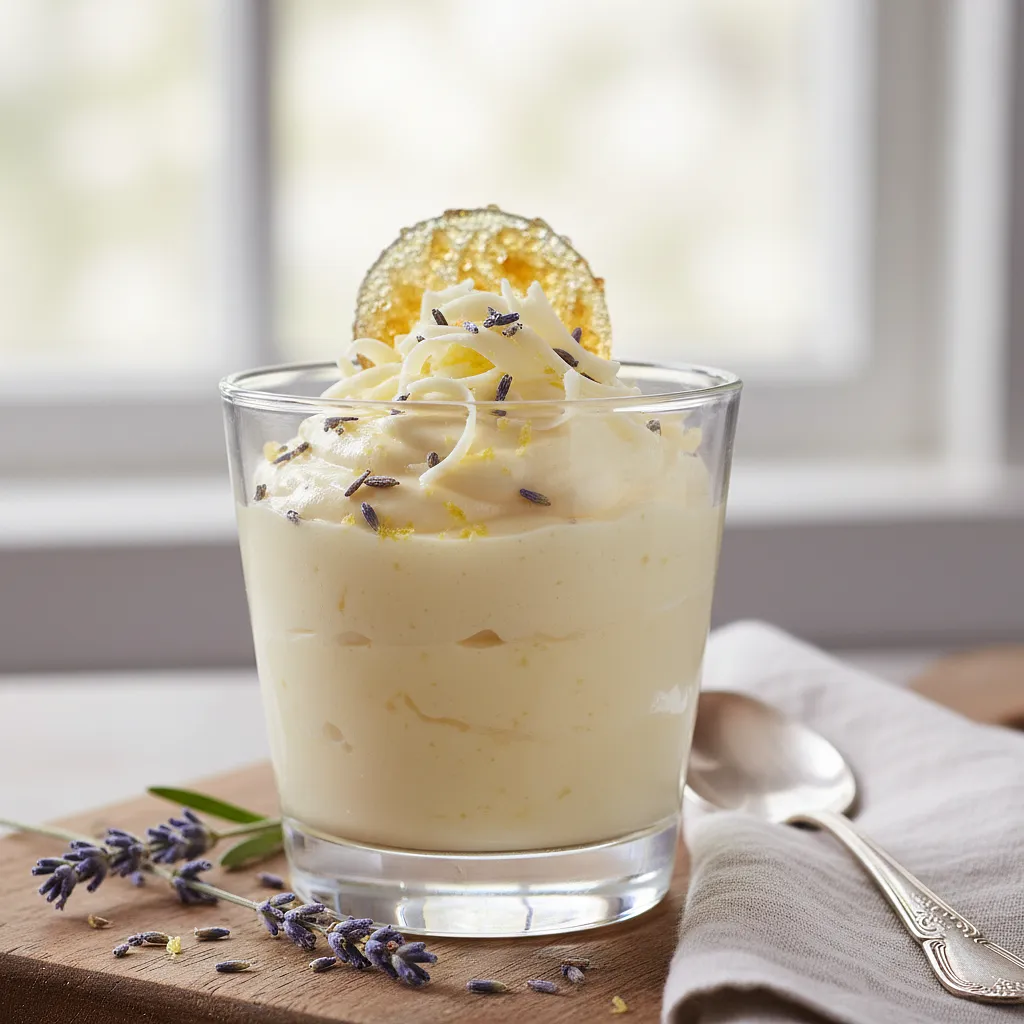
Here’s a recipe that will change your perception of classic lemon curd. I present to you a velvety, silky lemon cream, where the perfectly balanced acidity of fresh lemons meets the enveloping sweetness of the highest quality white chocolate. This combination creates a dessert with an incredibly complex flavor and luxurious consistency. The addition of culinary dried lavender (optional, but highly recommended!) introduces a subtle floral note that elevates this simple cream to a whole new level of elegance. Visually, the cream has a beautiful pastel yellow color and a thick, glossy texture. It is extremely versatile – perfect as a filling for tarts and cakes, an addition to Pavlova meringue, a spread for fresh buttery rolls, or simply as a standalone dessert served with a dollop of Greek yogurt and fresh fruits. Preparing it is easier than you think, and the final result will surely delight any gourmet.
Składniki (8)
- Eggs 4 szt.
- Drobny cukier do wypieków 180 g
- Lemon juice 150 ml
- Butter 100 g
- White chocolate 80 g
- 🌿 Przyprawy
- Skórka otarta z cytryny 10 g
- ✨ Opcjonalne
- Salt 0.0 szczypt
- Dried culinary lavender 1 łyżeczka
💡 Kliknij na składnik aby oznaczyć jako użyty
Preparation steps
Preparation of ingredients
Prepare the remaining ingredients. Cut the butter into small cubes (about 1x1 cm) and return it to the fridge – it needs to be cold. Chop the white chocolate very finely with a knife on a cutting board. The smaller the pieces, the faster and more evenly they will melt in the hot cream.
Cooking the cream
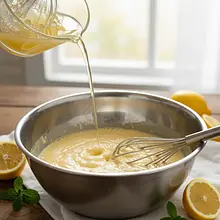
In a medium-sized bowl (preferably metal or heat-resistant glass), place the eggs and sugar. Using a hand whisk, vigorously beat the ingredients for about 2-3 minutes. The mixture should become lighter, slightly fluffy, and the sugar should mostly dissolve. You don't need to whip it into a stiff meringue; the goal is to combine and aerate it thoroughly.
Pour the prepared lemon juice into the egg mixture and add the grated zest. Mix everything thoroughly with a whisk until the ingredients are combined. Now prepare a water bath: pour water into a pot to a height of about 3-4 cm. Place a bowl with the lemon mixture on top. The bottom of the bowl should not touch the surface of the water. Bring the water in the pot to a boil, then reduce the heat to the minimum so that the water only gently 'flickers'.
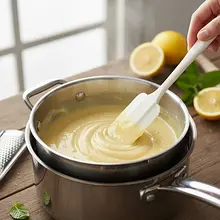
Heat the mixture in a water bath, constantly stirring with a silicone spatula or wooden spoon. Stir slowly but continuously, scraping the mixture from the bottom and sides of the bowl. The cooking process will take about 10-15 minutes. Be patient! The cream will gradually thicken. You will know it's ready when the cream noticeably thickens and coats the spoon with a thick layer. When you run your finger along the back of the spoon, there should be a clear, clean line that does not run.
When the cream reaches the right thickness, immediately remove the bowl from the pot and place it on the countertop. Add the cold butter to the hot cream, one cube at a time, stirring constantly until each portion is completely melted and absorbed before adding the next. Then, stir in the chopped white chocolate and (optionally) a pinch of salt. Mix vigorously until the chocolate is completely melted and the cream becomes smooth and glossy. The heat of the cream should be enough to melt the chocolate.
If you decide to go with the lavender version, now is the time to add it. Sprinkle the dried lavender flowers into the hot cream and mix thoroughly. Then, place a bowl over a fine sieve and strain the entire cream into a clean bowl or jar. Use a spatula to press through as much cream as possible. This step will remove the grated lemon zest, any lumps from the eggs, and the lavender flowers, leaving only its aroma and a perfectly smooth consistency.
Place a piece of plastic wrap directly on the surface of the warm, sifted cream so that it touches the entire surface. This will prevent a hard 'skin' from forming as it cools. Set the cream aside to cool completely at room temperature, then refrigerate for at least 3-4 hours, preferably overnight. During this time, the cream will thicken further and achieve the perfect consistency.
Fun Fact
Lemon curd is a traditional English delicacy that gained popularity during the Victorian era. It was served at afternoon tea as an accompaniment to scones and bread, replacing jam. Originally, the name 'curd' referred to the process of curdling lemon juice with milk, but the recipe has evolved into its current creamy form based on eggs.
Best for
Tips
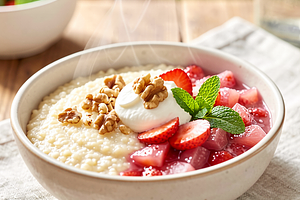
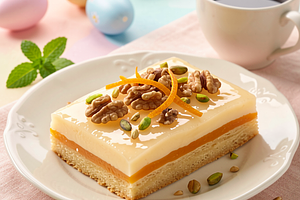
Serve chilled. It is excellent as a filling for crumbly tartlets, cakes, and macarons. It tastes wonderful with Pavlova meringue and fresh berries. You can also spread it on toast, waffles, pancakes, or mix it with Greek yogurt to create a delicious dessert.
Store in a tightly sealed jar in the refrigerator for 7-10 days. The cream should not be frozen, as it may lose its smooth consistency and separate after thawing.
📸 Ugotowane przez społeczność
Zaloguj się, aby dodać zdjęcieDodaj zdjęcie gotowej potrawy
Po zatwierdzeniu przez moderatora otrzymasz 10 punktów doświadczenia.
Nikt jeszcze nie dodał zdjęcia. Bądź pierwszy!
Comments (0)
Be the first to comment on this recipe!
Add a comment