Brew a very strong espresso. You can use a pressure coffee maker, a moka pot, or a strong brew of instant coffee. You need about 300 ml of liquid. Pour the hot coffee into a wide, flat dish (e.g., a deep plate or bowl) and set it aside to cool completely. This is very important because hot coffee would soak the ladyfingers. Once the coffee is cold, add the Amaretto liqueur (if using) and mix.
Description
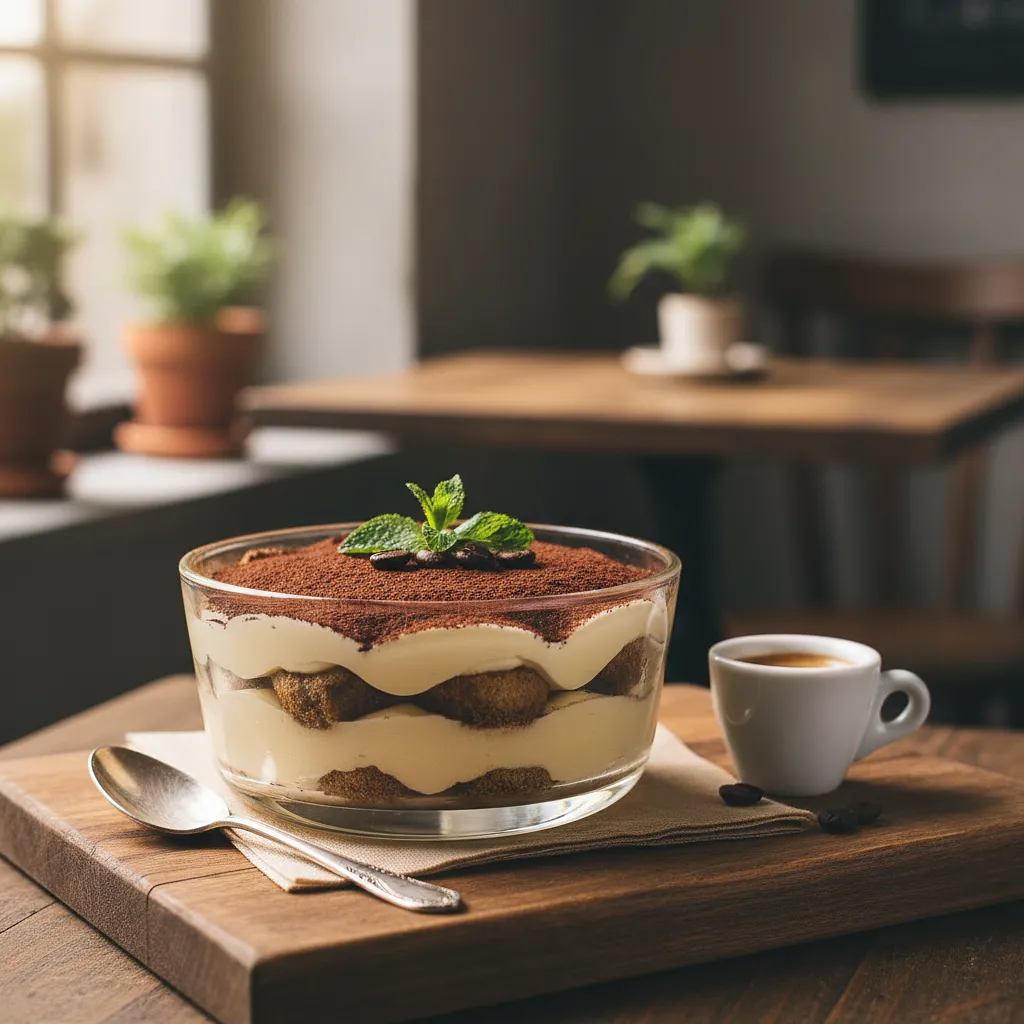
Discover the secret to the perfect, and above all, safe Tiramisu that will delight with its flavor and creamy consistency without using raw eggs. This recipe is a tribute to Italian classics, where the key role is played by the technique of pasteurizing egg yolks in a water bath. This creates a fluffy and stable Zabaglione cream, eliminating the risk associated with Salmonella bacteria, often present in raw eggs. This dish is the epitome of elegance – layers of ladyfingers soaked in intense espresso and Amaretto liqueur intertwine with a rich, silky cream based on mascarpone cheese. The whole is topped with a generous layer of bitter cocoa, which perfectly balances the sweetness of the dessert. Perfect for special occasions, gatherings with friends, or as a sophisticated finale to a festive dinner. This step-by-step recipe will teach you how to achieve mastery in preparing this iconic dessert while ensuring the highest standards of safety and hygiene in the kitchen.
Składniki (8)
- Egg yolks (size L) 6 szt.
- Serek mascarpone 500 g
- Ladyfingers (savoiardi) 400 g
- Cukier drobny do wypieków 10 łyżek
- Strong espresso 300 ml
- 🌿 Przyprawy
- Salt 0.0 szczypt
- ✨ Opcjonalne
- Amaretto liqueur 50 g
- Bitter cocoa, natural 30 g
💡 Kliknij na składnik aby oznaczyć jako użyty
Preparation steps
Preparation of Coffee Base
Pasteurization of Egg Yolks (Zabaglione Cream)
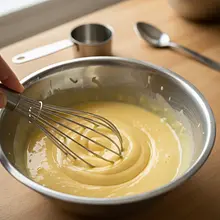
Prepare a water bath. Pour water into a small pot to a height of about 3-4 cm and bring it to a gentle simmer (only small bubbles should appear, the water should not be boiling vigorously). Place a heatproof bowl (metal or glass) on top of the pot, ensuring that its bottom does not touch the surface of the water. In the bowl, add the egg yolks, sugar, and a pinch of salt. Start whisking everything immediately with a whisk or a hand mixer on low speed.
Whisk the egg yolk mixture continuously for about 8-10 minutes. The mixture will gradually thicken, lighten in color, and increase in volume. The finished cream should have the consistency of thick pudding, be pale yellow, and fluffy. When you lift the whisk, a distinct 'ribbon' should remain on the surface. This process heats the yolks to a safe temperature (about 70°C), eliminating the risk of bacteria. Remove the bowl from the pot and set aside to cool completely, stirring occasionally to prevent a skin from forming on the surface.
Preparation of Mascarpone Cream
In a large bowl, place the chilled mascarpone cheese. Use a silicone spatula or wooden spoon to gently mix it for a few seconds to achieve a creamier consistency. Do not use a mixer at this stage, as mascarpone can easily curdle. Add the completely cooled egg yolk mixture (Zabaglione) to the mixed cheese.
Using a spatula, very gently combine the yolk mixture with the mascarpone cheese. Make slow, circular motions from the bottom of the bowl upwards, as if you are 'scooping' the mixture. Mix only until the ingredients are combined and a uniform, smooth cream is formed. Too vigorous or prolonged mixing may cause the cream to become runny.
Assembling Tiramisu
Prepare a dish, preferably glass or ceramic, measuring about 20x30 cm. Spread a thin layer of the prepared cream on the bottom. This will be the 'glue' for the first layer of ladyfingers. Take the ladyfingers one by one, dip them VERY briefly (literally for 1 second on each side) in the cooled coffee, and arrange them tightly next to each other on the layer of cream.
Spread half of the remaining mascarpone cream evenly over the layer of ladyfingers. Smooth the surface with a spatula or the back of a spoon. Then, place a second layer of ladyfingers, also briefly dipped in coffee. Top with the remaining cream and carefully smooth it out to create a smooth surface.
Cooling and Serving
Cover the dish with plastic wrap and place it in the refrigerator for at least 4-6 hours, preferably overnight. Chilling is key for the flavors to meld, the biscuits to soften, and the cream to set, making it easier to slice. Just before serving, dust the top of the dessert generously with unsweetened cocoa powder, sifting it through a small sieve for an even layer.
Fun Fact
The name 'Tiramisù' in Italian literally means 'pick me up' or 'lift me up'. It likely refers to the stimulating properties of coffee and cocoa, as well as the high energy value of the dessert.
Best for
Tips
Serve the tiramisu chilled, cut into square portions. For cutting, use a sharp knife dipped briefly in hot water and dried before each cut – this will ensure even and clean edges. Serve the dessert portion on a small plate, optionally with a sprig of fresh mint or a few fresh raspberries for color contrast.
Store Tiramisu in the refrigerator, tightly covered with plastic wrap, for up to 3 days. With each passing day, the dessert will become more moist and intense in flavor. The dessert is not suitable for freezing, as the mascarpone cream may separate after thawing.
📸 Ugotowane przez społeczność
Zaloguj się, aby dodać zdjęcieDodaj zdjęcie gotowej potrawy
Po zatwierdzeniu przez moderatora otrzymasz 10 punktów doświadczenia.
Nikt jeszcze nie dodał zdjęcia. Bądź pierwszy!
Comments (0)
Be the first to comment on this recipe!
Add a comment