Gin
Description
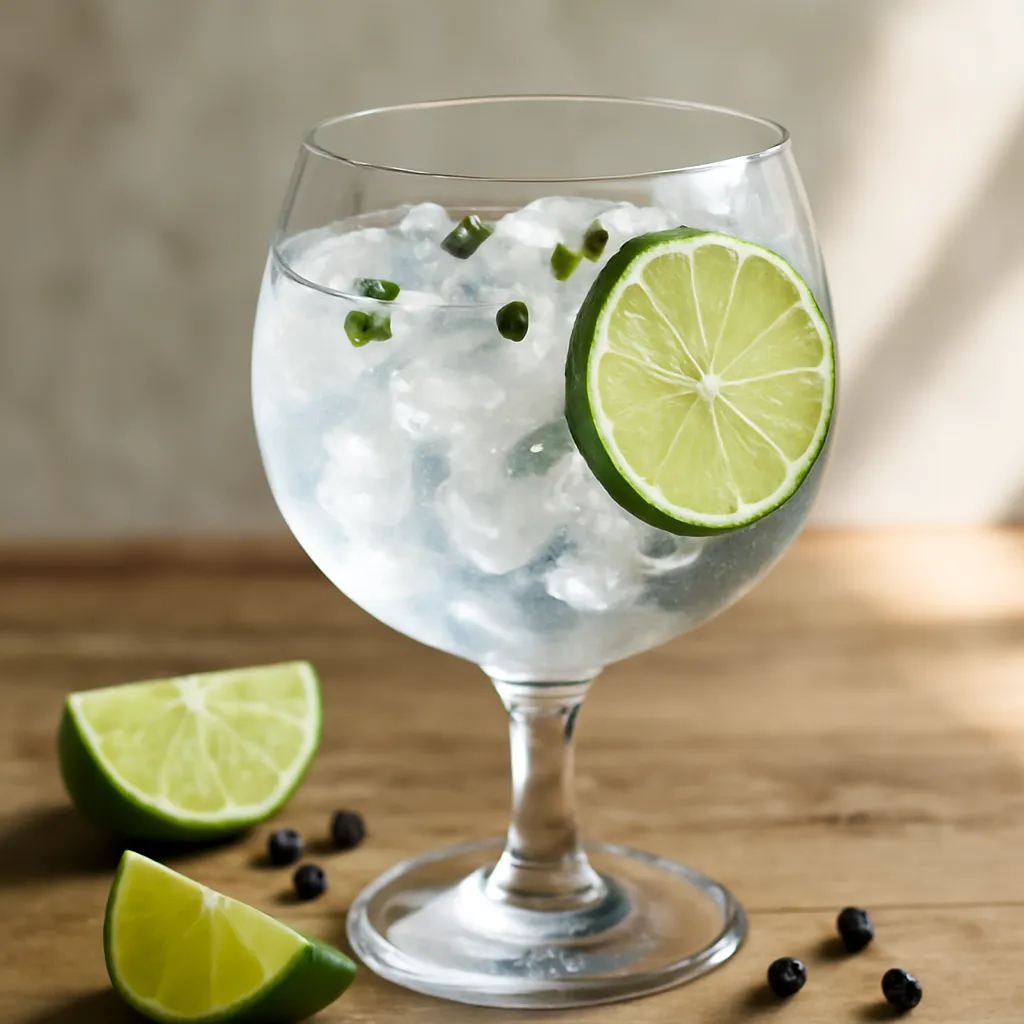
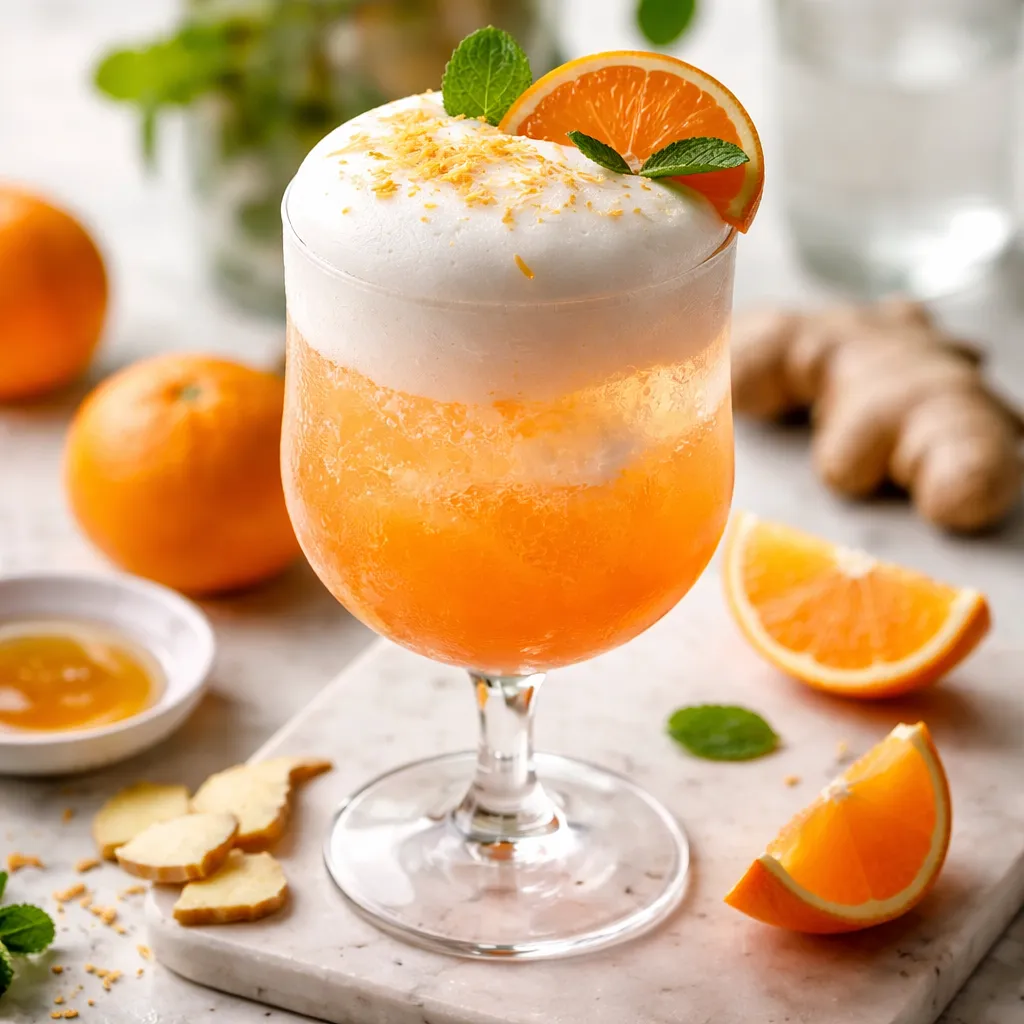
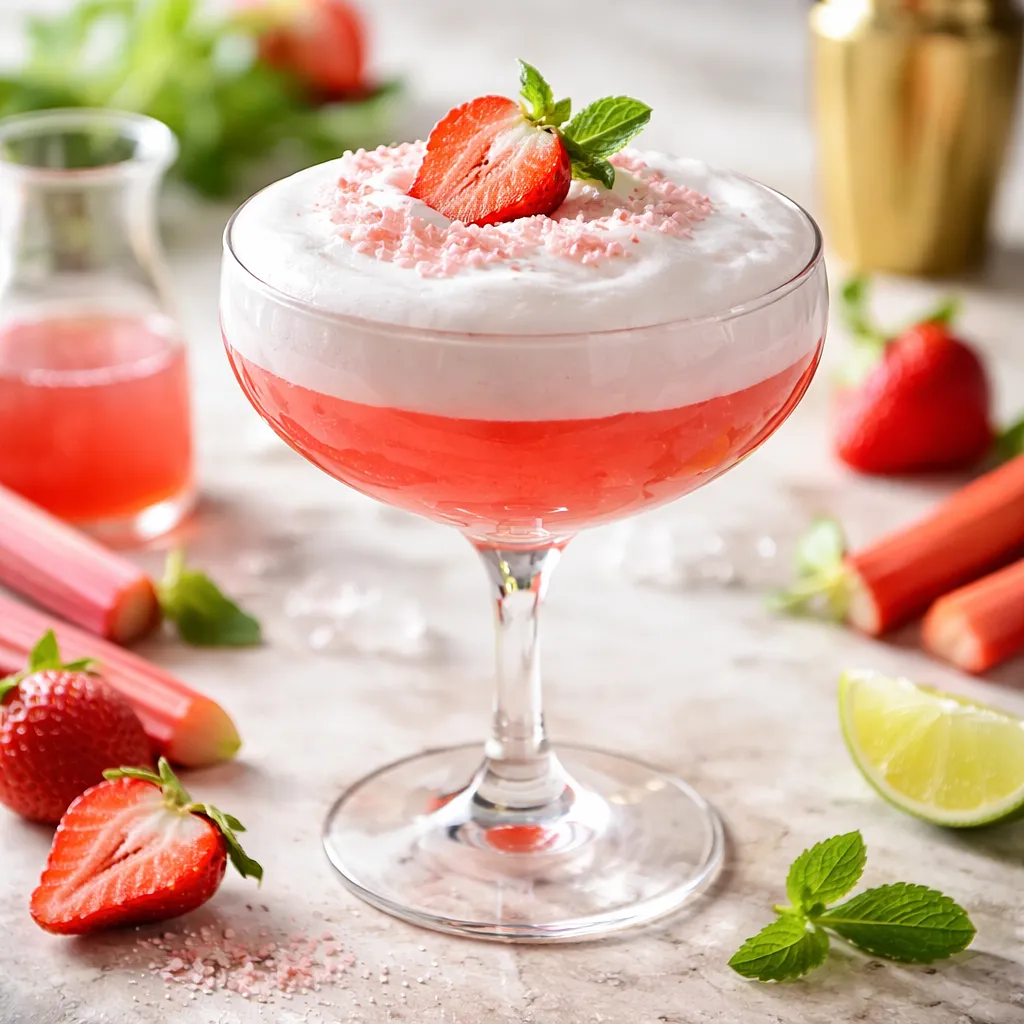
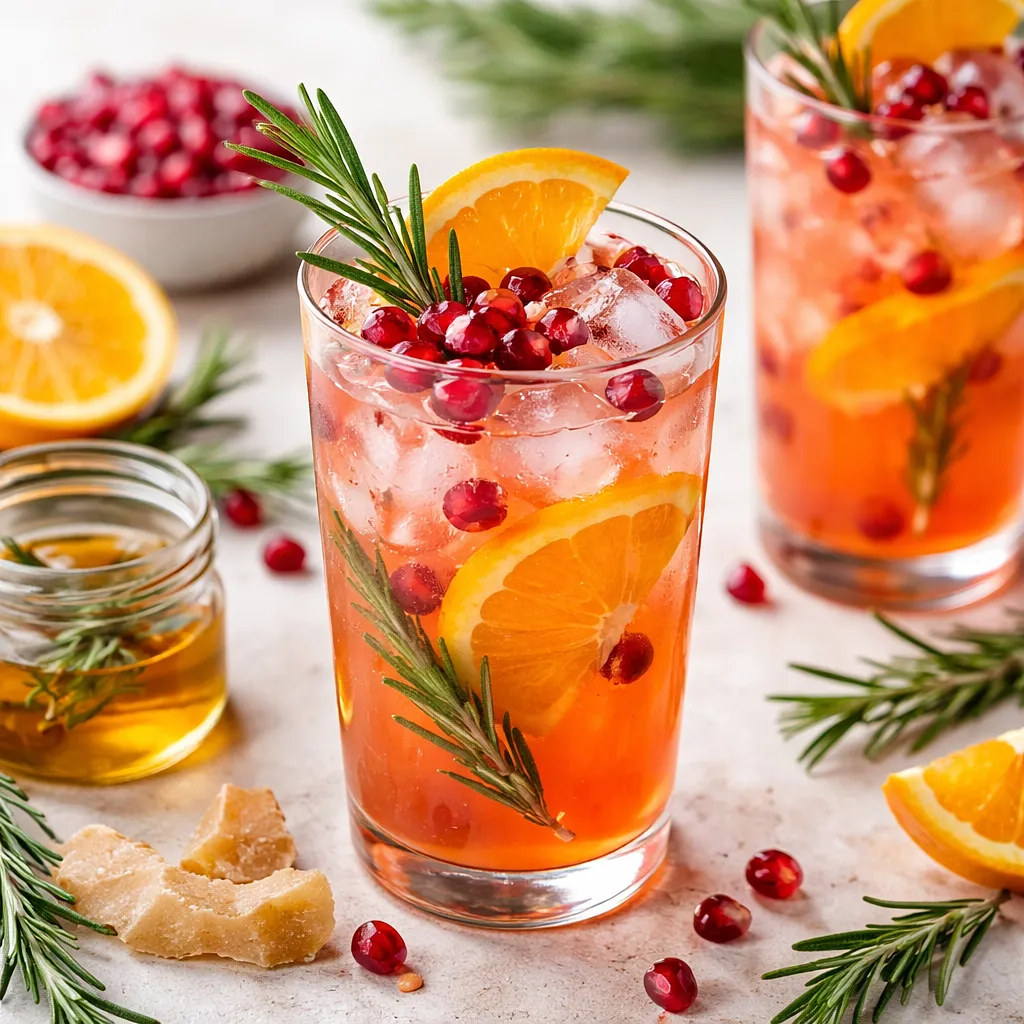
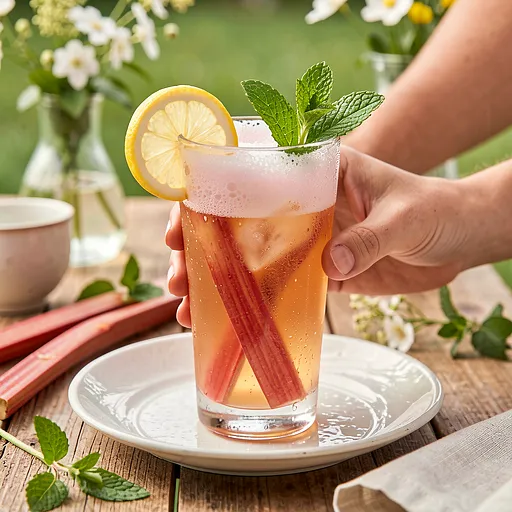
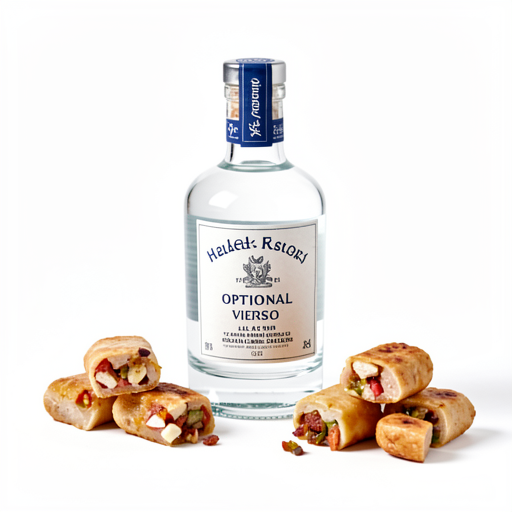
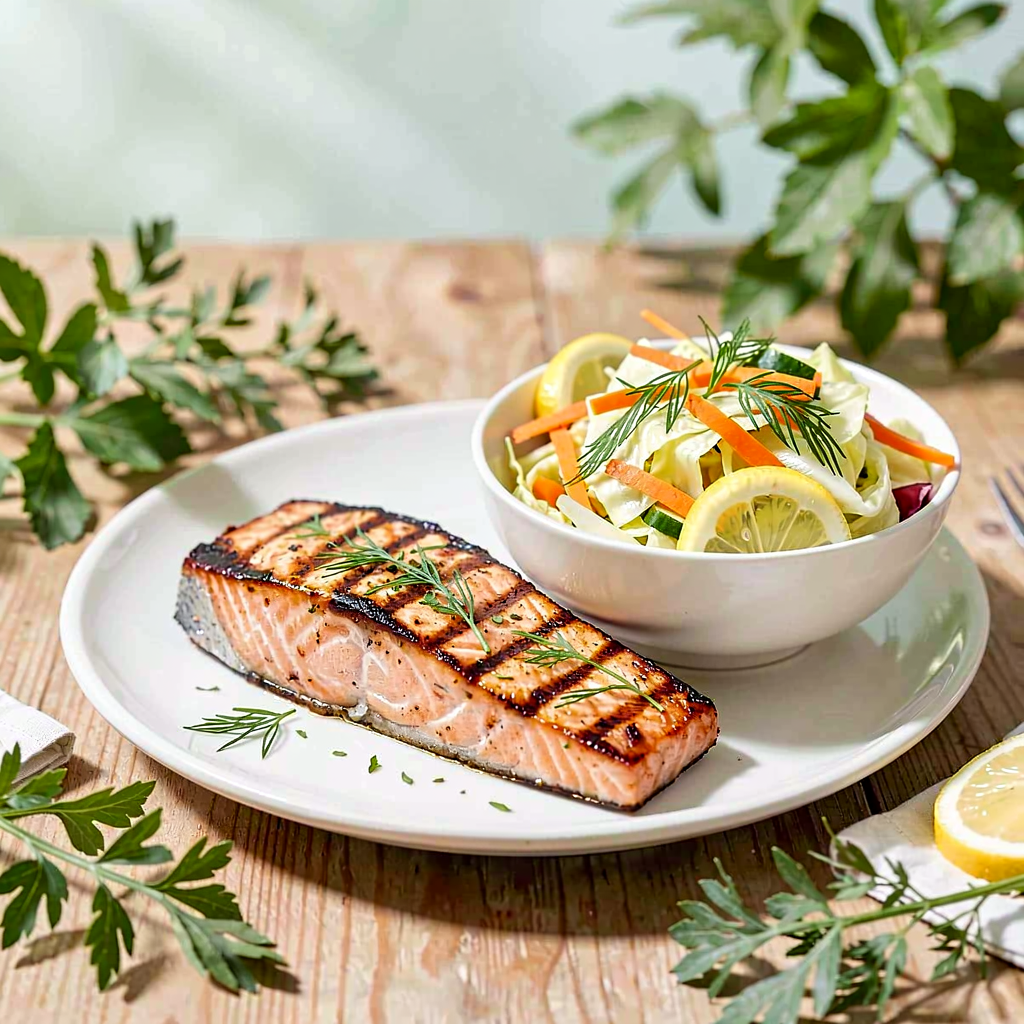
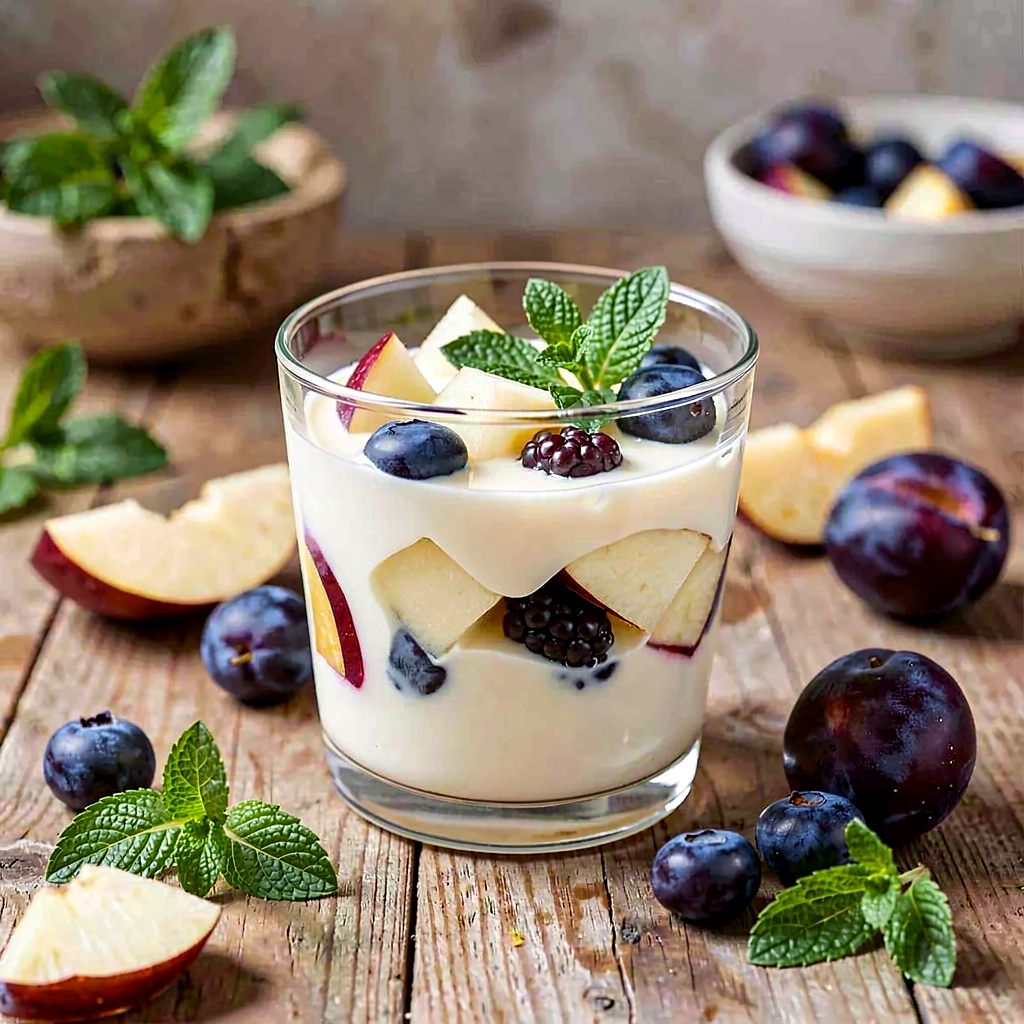
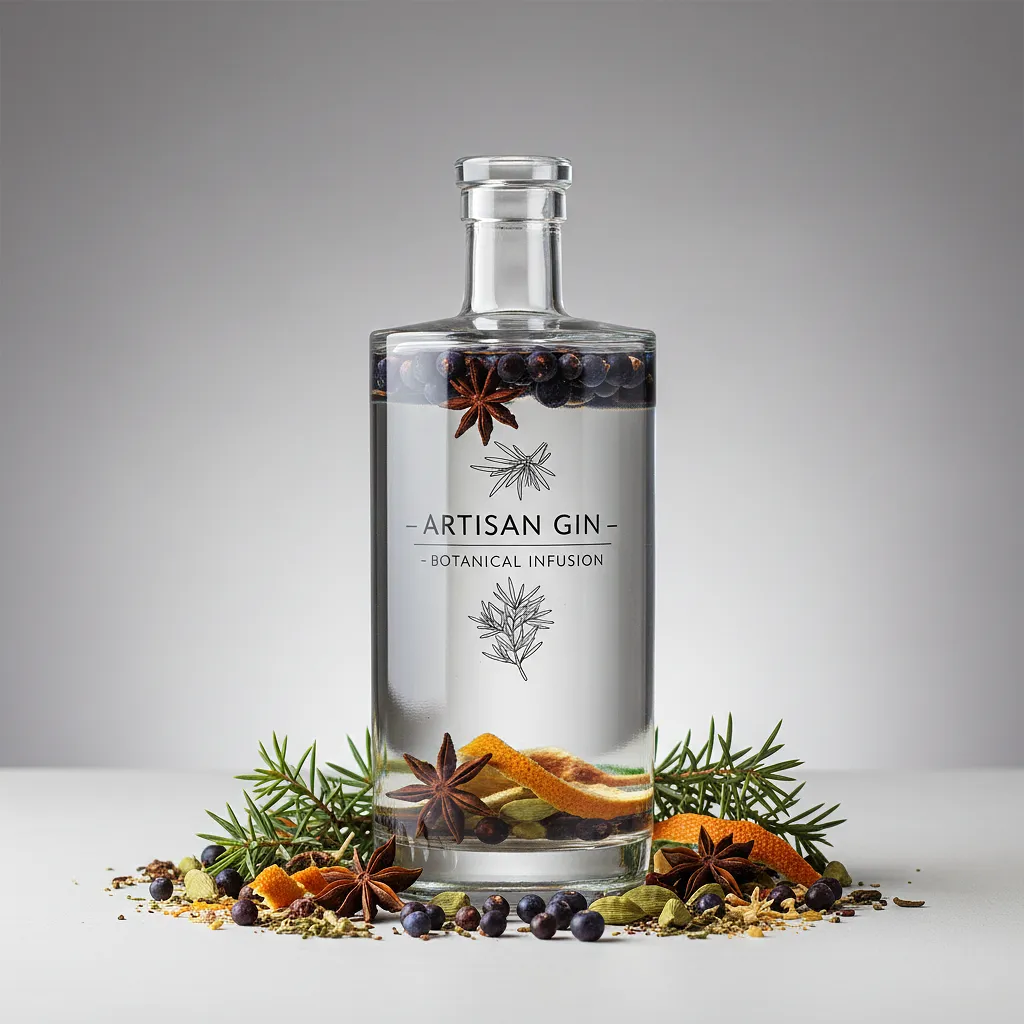
Gin is a clear, transparent distillate with a distinct aroma of juniper interwoven with notes of citrus, coriander, and spicy and floral additions; the taste is usually dry, lively, refreshing, with a herbal-spicy finish, although the style depends on the selection of botanicals and the alcohol strength. It resembles vodka in appearance, but its scent and flavor profile make it a unique ingredient for bartending and culinary use. Nutritionally, gin mainly provides calories from alcohol, containing negligible amounts of proteins, fats, and carbohydrates, as well as minimal micronutrients; on average, 30 ml contains about 60–80 kcal. The botanical additions contribute small amounts of antioxidants and are traditionally attributed with digestive-supporting effects (e.g., juniper), but benefits only arise with moderate consumption, while excess alcohol is harmful. In the kitchen, gin works excellently in cocktails, marinades for fish and poultry, citrus-based sauces, and fruit desserts, where it enhances herbal and citrus notes. It should be stored in a tightly sealed bottle, in a cool and dark place, upright; once opened, it retains its durability for a long time, although the botanical aromas may mellow over time.