Kania
Description
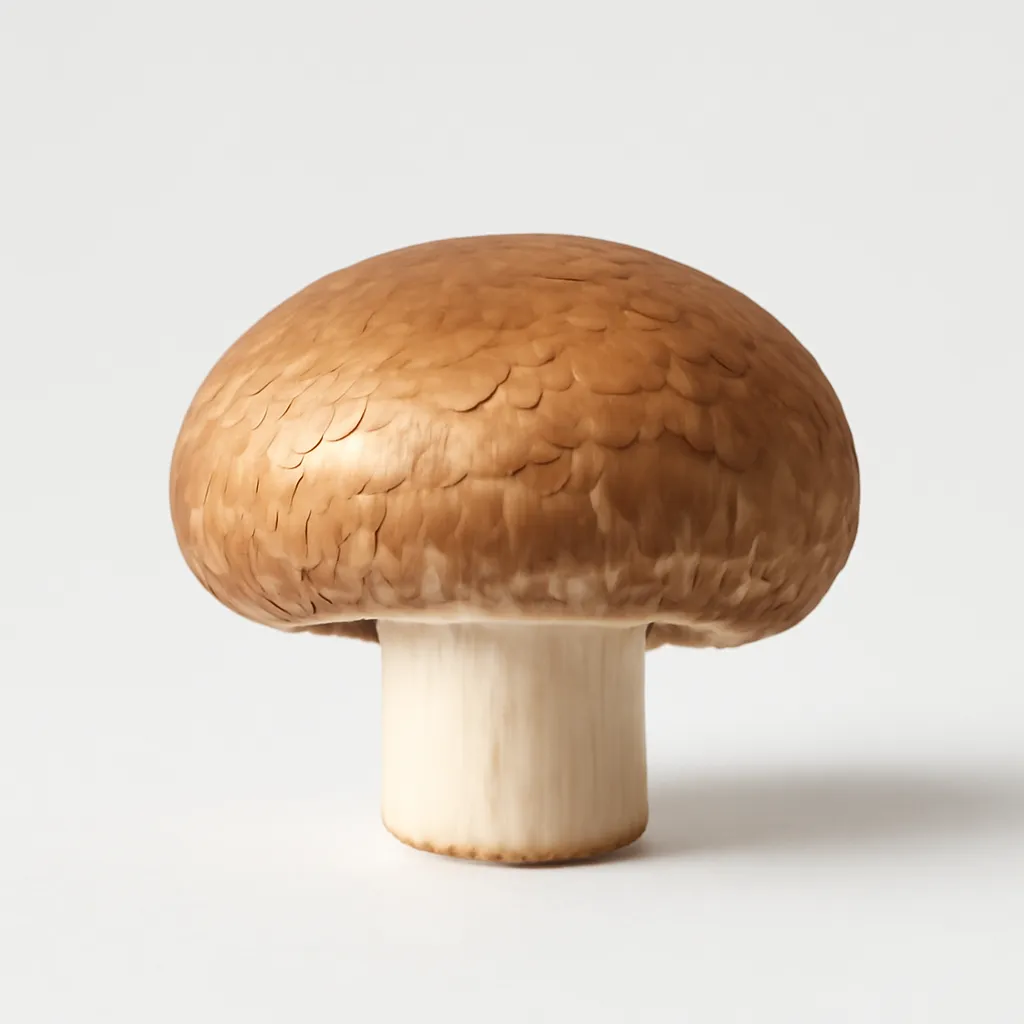
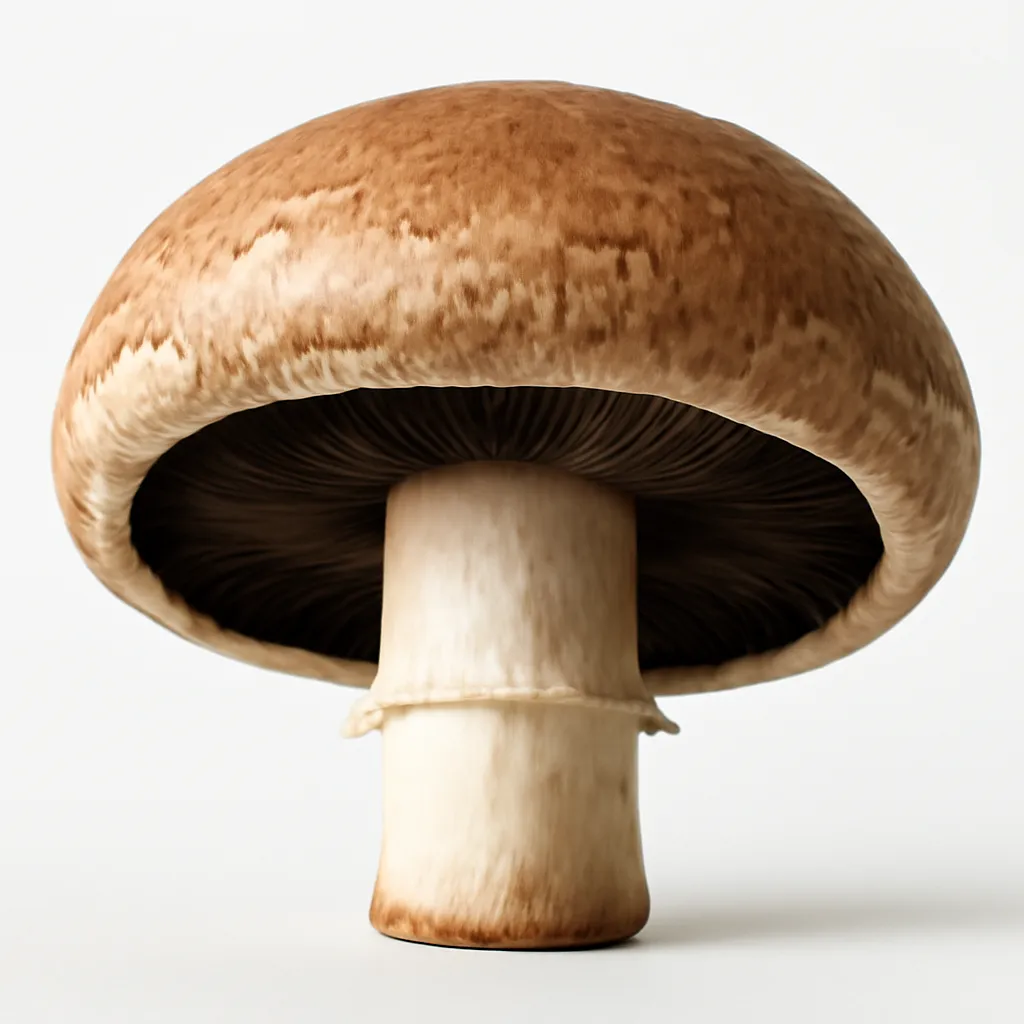
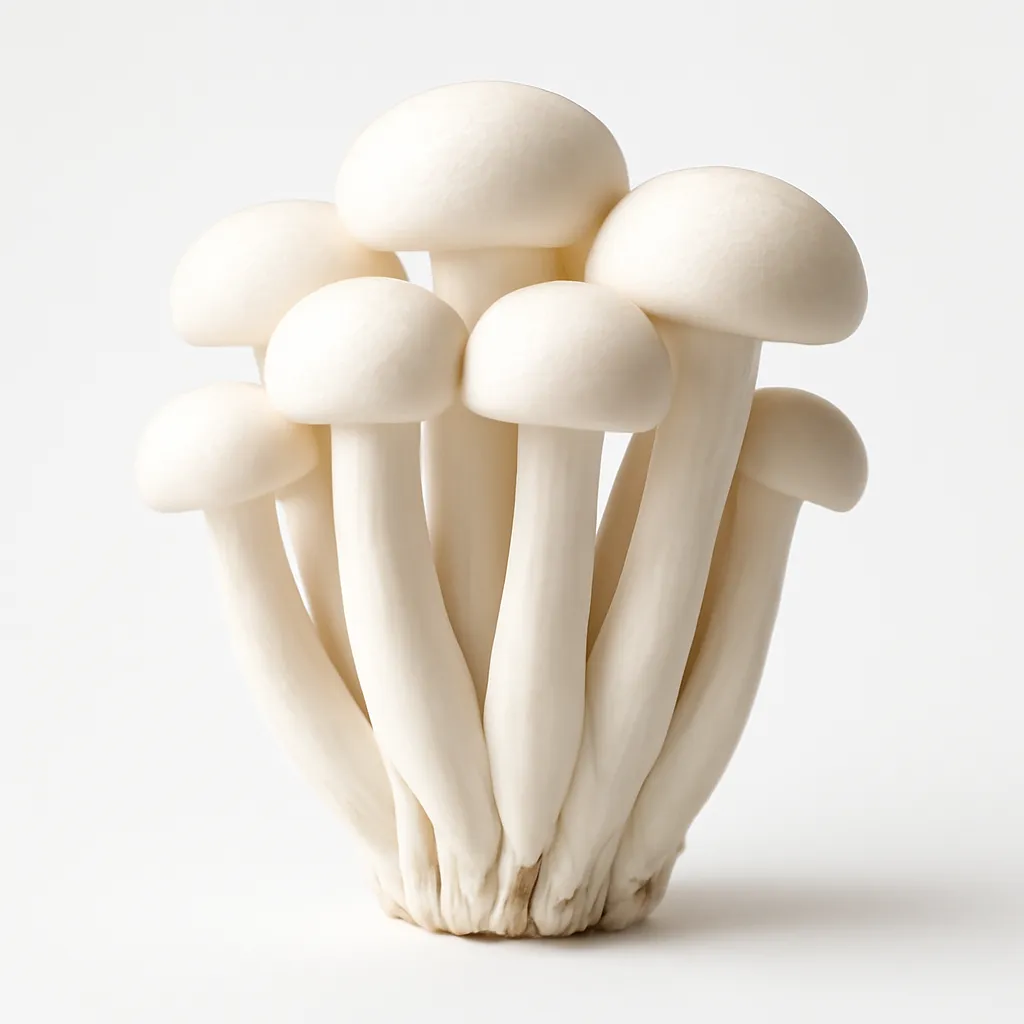
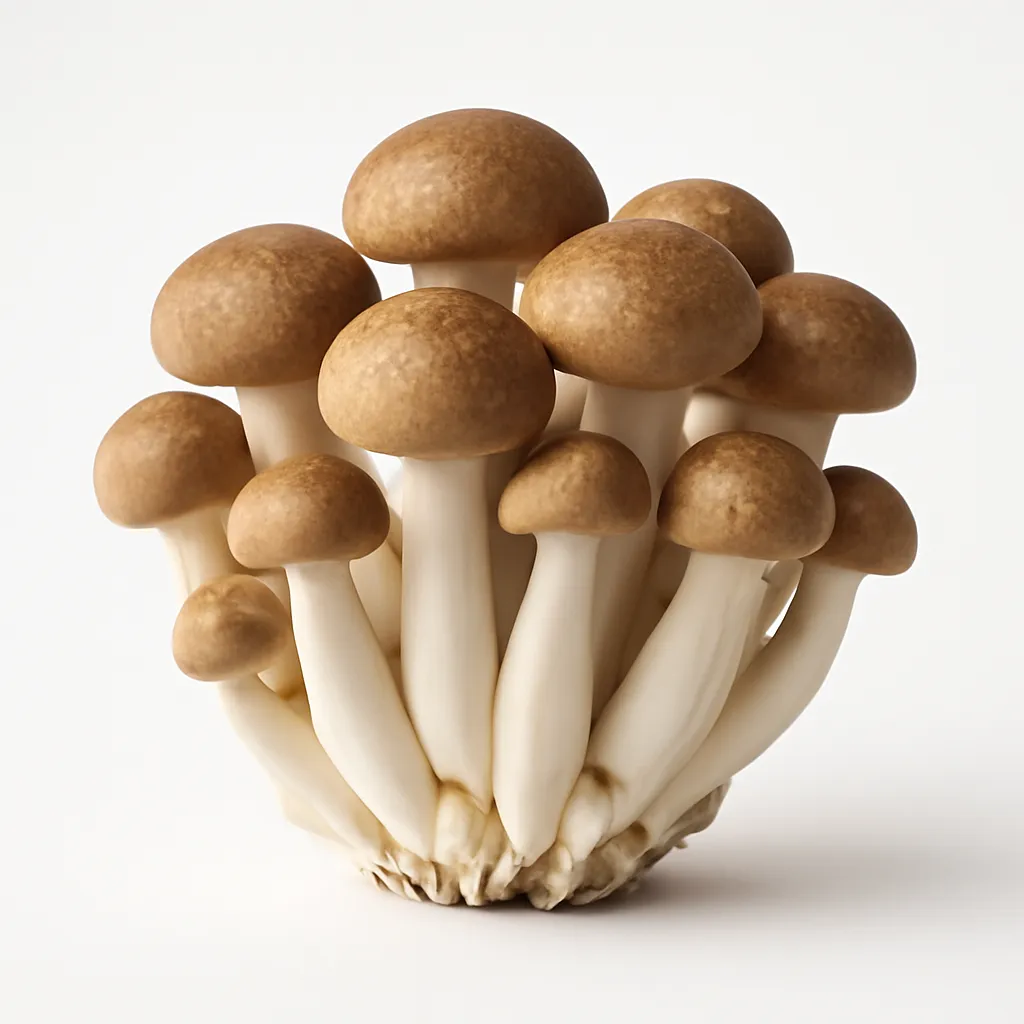
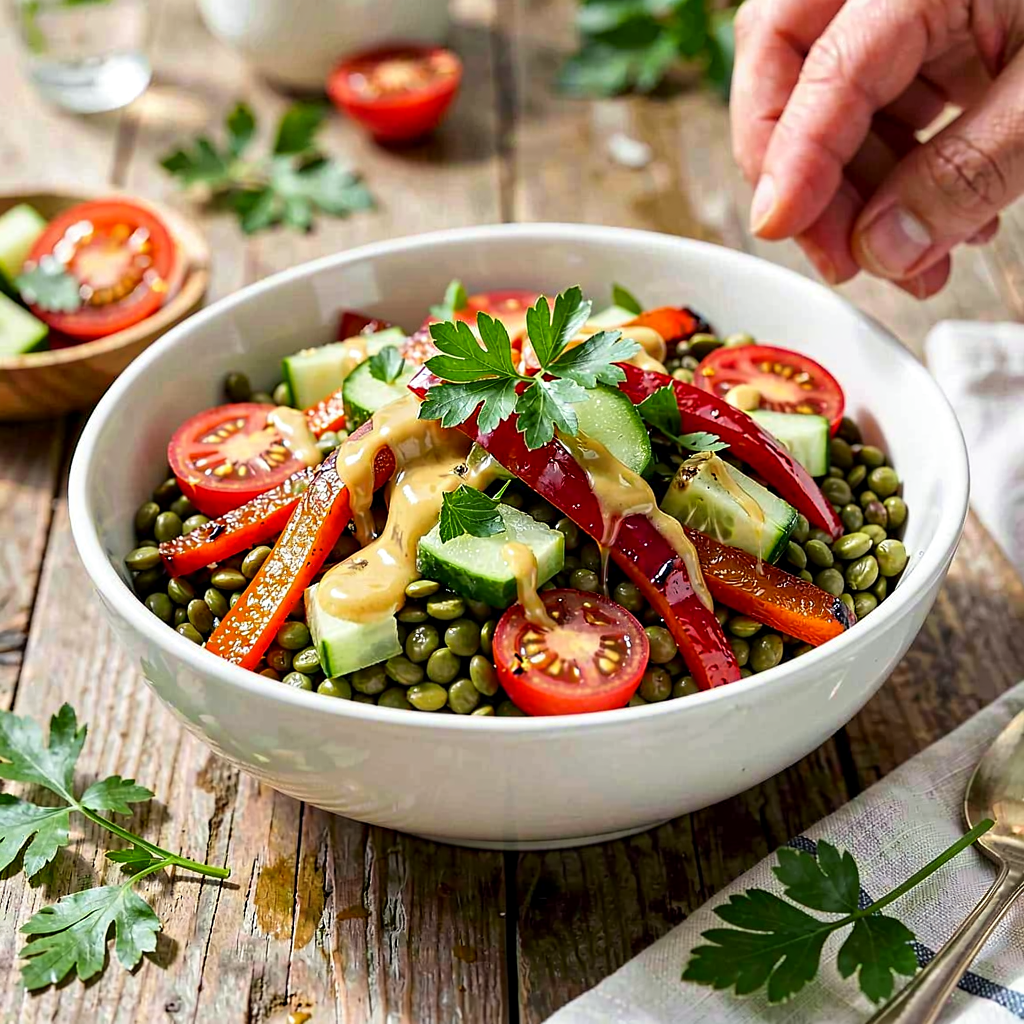
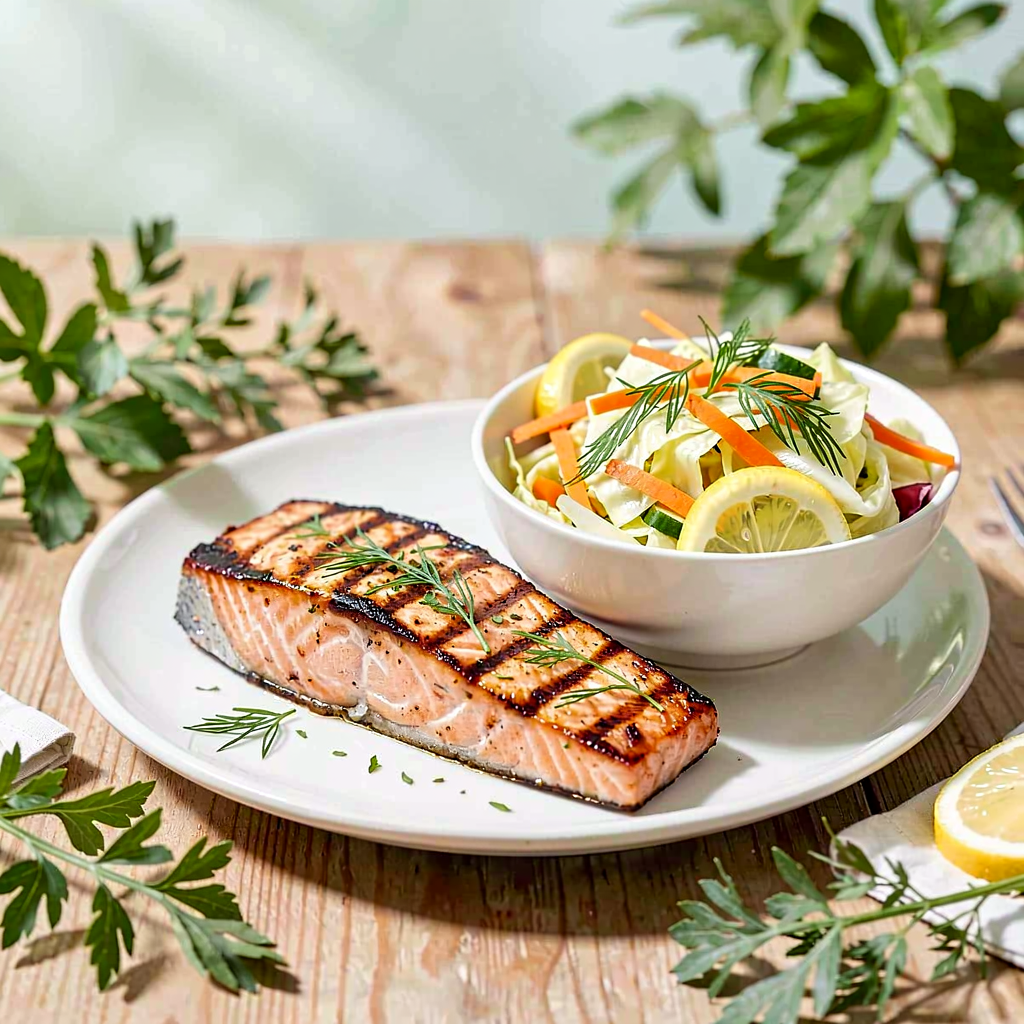
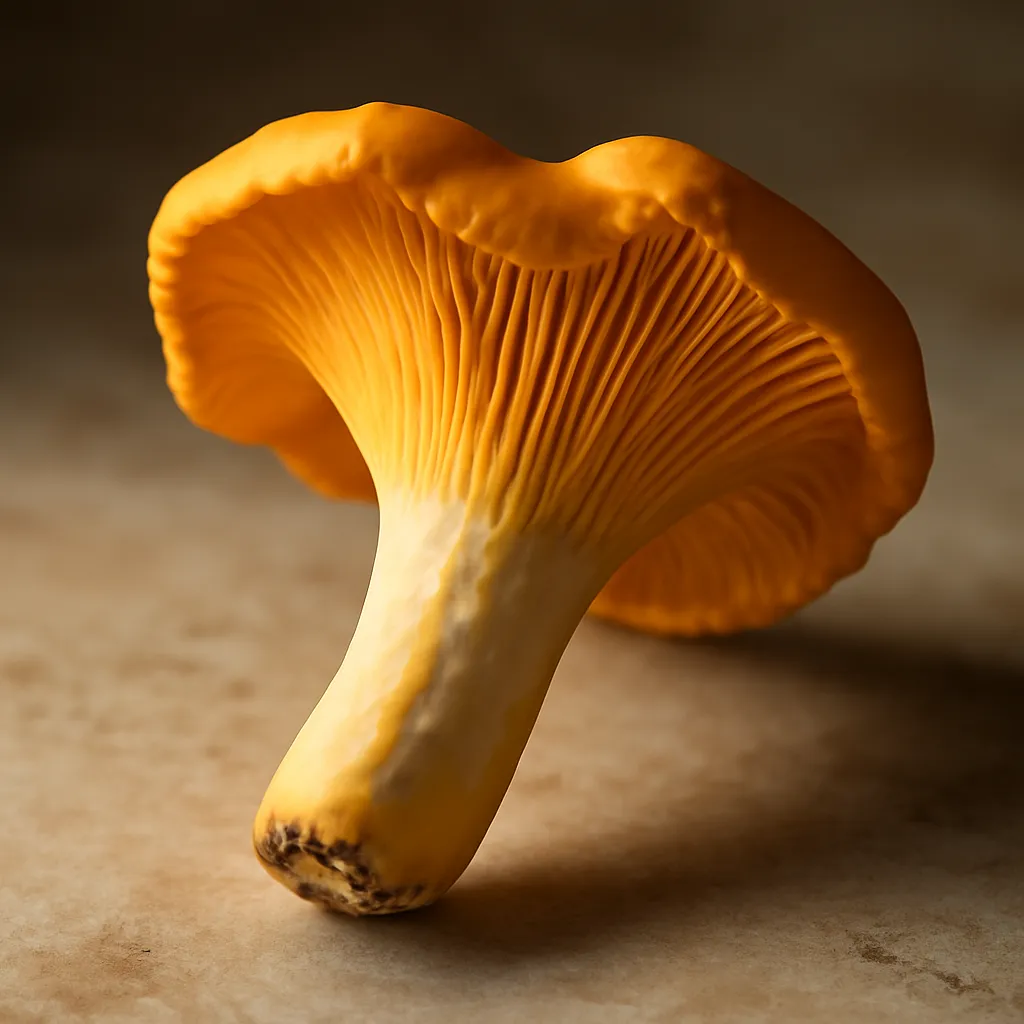
Kania (primarily macrolepiota procera, commonly known as "parasol mushroom") has a large cap with a characteristic scaly, brown-cream pattern and a long, meaty stem; the flavor is aromatic, slightly nutty, and meaty, with a pleasant, firm texture. In terms of nutritional value, kania is low in calories, provides protein and fiber, as well as B vitamins (especially niacin and riboflavin), minerals such as potassium, phosphorus, and selenium, and antioxidant compounds; it promotes easy digestion and enriches the diet without a large amount of fat. In the kitchen, kania works well when fried, breaded, or grilled, as an ingredient in soups, risottos, sauces, and fillings, and as an addition to scrambled eggs and pasta; its meaty structure effectively replaces meat in plant-based dishes. It should be stored in the refrigerator in a breathable container (paper bag or wrapped in a paper towel), washed just before use, and consumed within 2–3 days; larger yields can be blanched and frozen or dried. When foraging for wild kania, it is important to exercise caution and be able to distinguish between toxic species.