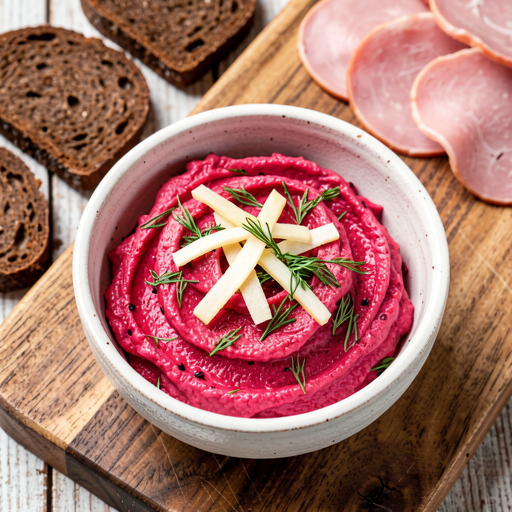
Horseradish with Beets (Pink Easter Horseradish)

Appetizers Regional Cuisine of Poland 20 min Easy 21 wyświetleń ~8.64 PLN * - (0)
Rate:
(0)
Start Cooking

Description

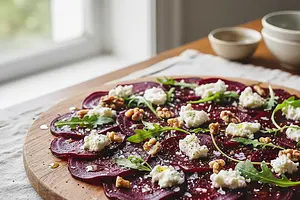
Horseradish with beets is a Polish regional appetizer with an intense, sharp horseradish flavor softened by the sweetness of beetroot and cream. It is a quick and impressive dish that combines the spiciness of horseradish root with the natural sweetness of cooked beets; it results in a contrasting pink dip perfect for dark bread, cold cuts, hard-boiled eggs, or as an addition to cold platters. In this version, I suggest using fresh horseradish, cream, and a bit of lemon juice, as well as optionally apple and dill as fresh accents. The dish is quick (about 20 minutes if you use pre-cooked beets), visually striking, and fits perfectly into Polish holiday traditions and simple family gatherings.

Ingredients Used

Ingredients (9)

Servings:
4
  • Beets (raw) 500 g
  • Horseradish 40 g
  • Sour cream 150 g
  • Lemon juice 15 ml
  • Sugar 10 g
  • 🌿 Przyprawy
  • Salt 0.1 szczypt (~3 g)
  • Black pepper 2 szczypty (~1 g)
  • ✨ Opcjonalne
  • Apple 0.8 szt. (~150 g)
  • Dill 0.5 pęczek (~10 g)
💰 Szacowany koszt dania: ~8.64 PLN (2.16 PLN/porcję)
* Brak cen dla niektórych składników

💡 Kliknij na składnik aby oznaczyć jako użyty

Preparation steps

Preparing the beets

1

If you are using cooked beets (preferably from the day before): take them out of the fridge and dry them with a paper towel. If you have raw beets and need to prepare them quickly: wash them thoroughly, poke them with a fork, place them in the microwave, and heat on high power for 10–12 minutes for 2 medium beets (check softness with a fork). After the time is up, let them cool for 5–10 minutes so they can be handled.

Tools: microwave for quick cooking or a pot of water for boiling (cook for 30–40 minutes if not using a microwave). Use kitchen gloves when cooling. If the beets are not soft after microwaving, add 2–3 minutes at a time.
2

Peel the beets while they are still warm (peeling is easier after a short cooling period). Use a manual peeler or a knife. Then grate the beets on a coarse grater directly into a large bowl - you will get irregular shavings that hold their texture well. If you prefer a smooth paste, use a food processor (quick pulsing).

Tools: grater with large holes or food processor with a grating disc. Note: beet skin stains hands and utensils — use disposable gloves or grease your hands with oil to make cleaning easier.

Preparation of horseradish

3

Peel the horseradish root thinly with a knife (remove the woody ends). Grate the horseradish on a fine grater or use a food processor to achieve a very fine consistency. If you don't like a very sharp taste, grate less and leave the rest for seasoning. After grating the horseradish, immediately move on to mixing — its aroma is strongest right after grating.

Ingredients: horseradish
Tools: fine grater or food processor. Note: grate the horseradish in a well-ventilated area and avoid inhaling the fumes; you may want to wear protective glasses and gloves, as the fumes can sting your eyes. Alternative: grated horseradish from a jar (use 25–30g instead of fresh).

Horseradish sauce (key mixing)

4

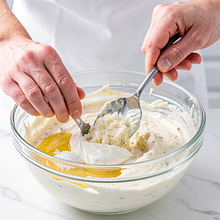
In a medium bowl, add the cream. Add the grated horseradish, 15 ml of lemon juice, and 10 g of sugar. Mix vigorously with a spoon or whisk for about 30–45 seconds until the mixture becomes creamy and homogeneous. Taste with a spoon — the mixture should have a noticeable horseradish sharpness, but not overwhelming; if it's too sharp, add an extra spoon of cream.

Ingredients: Sour cream, horseradish, Lemon juice, Sugar
Tools: medium bowl and a spoon or whisk. Use a ceramic or glass bowl (metal may slightly alter the taste). Common mistake: adding too much lemon juice at once — add gradually and taste. This step is crucial for evenly distributing the sharpness of the horseradish.

Mixing with beetroot

5

Pour the grated beets into the sauce. Gently mix with a wide spoon for 20–30 seconds until the beets are evenly coated with the pink sauce. The mixture should be moist, creamy, and have an intense pink color. If the sauce is too thick, add 1–2 tablespoons of cream (15–30 ml) and mix again.

Ingredients: Sour cream, horseradish
Tools: wide spoon or spatula. Do not mix too vigorously (do not mash the beets into a puree), the goal is to maintain the structure of the shreds. If you want a smooth paste, blend everything with short pulses in a food processor.

Seasoning

6

Season the mixture with salt (3 g) and pepper (1 pinch). Taste and if necessary, add 1–2 g of sugar or a few drops of lemon juice to balance the flavor. The taste should be balanced: the sweetness of the beet, the spiciness of the horseradish, and the creaminess of the sour cream.

Ingredients: Salt, Black pepper, Sugar, Lemon juice
Tools: tasting spoon, clean mixing spoon. Common mistake: oversalting — add salt gradually and taste after each change.

Serving and decoration

7

Transfer the horseradish with beets to a small bowl or plate. If you are using the optional apple, grate it on a fine grater and mix 1/3 with the paste for a slightly crunchy texture; you can place the rest on top. Sprinkle with finely chopped dill just before serving.

Ingredients: Apple, Dill
Tools: serving bowl, apple grater. Additionally, you can add chopped walnuts for crunch (optional). If you are not using optional ingredients, simple dill leaves as decoration will suffice.

Serving

8

Serve chilled or at room temperature with dark rye bread, slices of cold cuts (pork neck, ham) or hard-boiled eggs. A portion for one person should be about 80–120 g of the spread as an appetizer. The spread can also be spread on a sandwich or served as a dip for fresh vegetables.

Ingredients: Sour cream, horseradish
Tools: small spoon for serving. Serve alongside pickles and Polish-style mustard to add variety to the plate. Common mistake: inappropriate pairing (too mild cheeses will overshadow the flavor of the horseradish) — choose bold accompaniments.

Fun Fact

💡

In Poland, horseradish has been associated with Easter and spring dishes for centuries — spicy horseradish symbolizes purification and the awakening of nature. The combination of horseradish and beetroot is a tradition present in many regions, where the color and flavor contrast highlights the richness of the table.

Best for

Tips

🍽️ Serving

Serve in small bowls at the table with rye bread, cold cuts, and eggs. For visual effect, use white porcelain — the pink color of the paste will stand out nicely. Season just before serving to keep the horseradish's aroma fresh.

🥡 Storage

Store in a closed container in the refrigerator for up to 3 days. Freezing is not recommended (loss of texture and aroma). If the paste becomes too runny after storage, drain the excess water from the beets or add a tablespoon of cream and mix.

📸 Ugotowane przez społeczność

Zaloguj się, aby dodać zdjęcie
Dodaj zdjęcie gotowej potrawy

Po zatwierdzeniu przez moderatora otrzymasz 10 punktów doświadczenia.

🍲

Nikt jeszcze nie dodał zdjęcia. Bądź pierwszy!

Comments (0)

Be the first to comment on this recipe!

Add a comment

You might also like

Recipe Categories

Appetizers
Appetizers in: Christmas Eve Dinner

Appetizers open the meal and prepare the palate for the following dishes. In this category, we present elegant and tasty appetizers for every occasion. Our recipes include carpaccio, tartare, bruschetta, antipasti, and skewers. You will find both cold and warm appetizers here. We pay special atte...

See all recipes in this category

Traditional recipes from various regions of Poland that showcase the richness of local flavors and ingredients.

See all recipes in this category
Reklama