Menu

Delicate sponge cake without baking powder (Sweet Blog edition)

Cakes and Bakes Desserts 90 min Medium 9 wyświetleń ~26.61 PLN - (0)
Rate:
(0)

Description

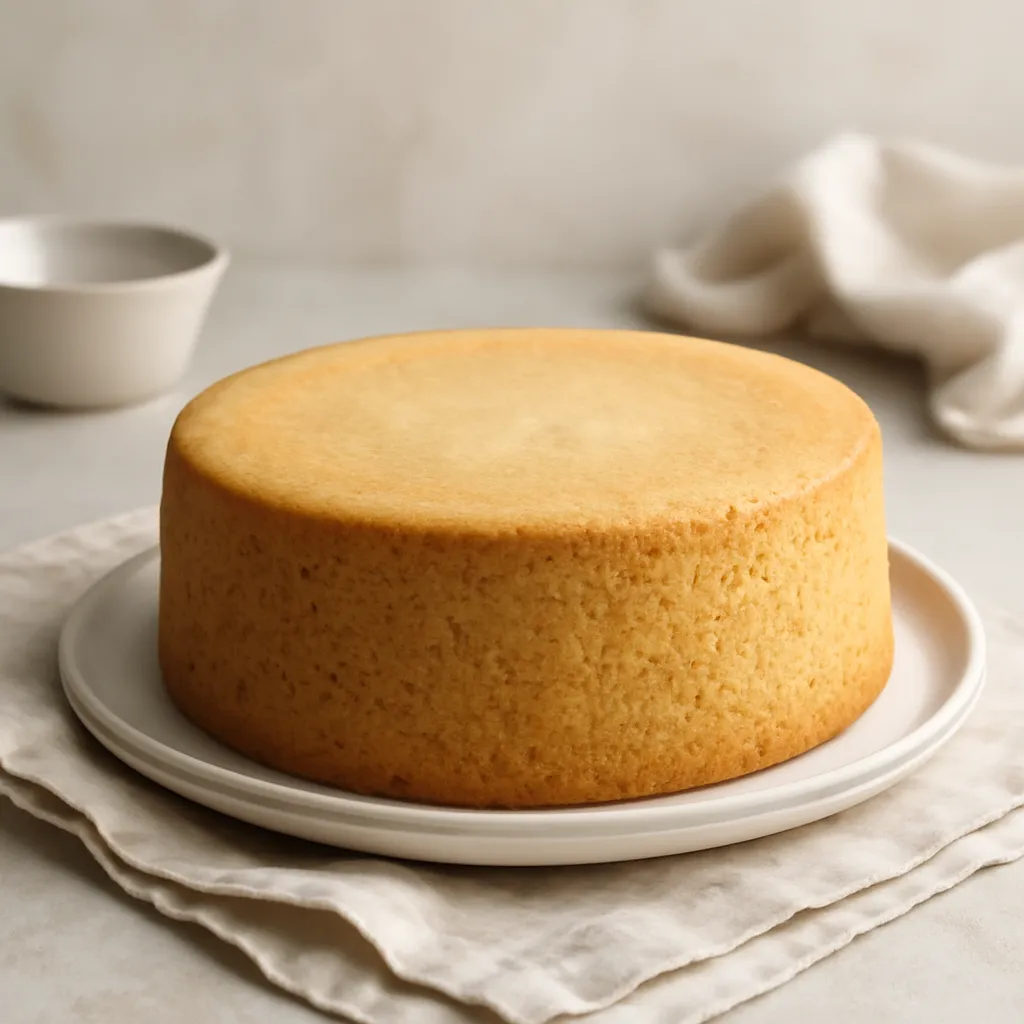
A light, aromatic sponge cake prepared without baking powder — it rises thanks to carefully beaten eggs and a gentle water bath technique. Inspired by the classic sponge cake, but in the 'Sweet Blog' style — with velvety cream and a fresh-tart raspberry compote. As a result, you will get a cake with a golden, thin crust and a fluffy, springy interior that pairs wonderfully with the white creamy mass and juicy raspberries. Perfect for parties, tea with friends, or as an impressive dessert for special occasions; it looks elegant, and the taste is delicate, slightly lemony, and very fresh.

Składniki (14)

Servings:
8
  • Egg 6 szt.
  • Sugar (for the dough) 200 g
  • Wheat flour 150 g
  • Cornstarch 30 g
  • Grated lemon zest 1 szt.
  • Vanilla extract 5 g
  • 30% heavy cream 400 ml
  • Frozen raspberries (for compote) 300 g
  • Sugar (for compote) 50 g
  • Powdered sugar 20 g
  • 🌿 Przyprawy
  • Salt 0.0 szczypt
  • ✨ Opcjonalne
  • Butter (for greasing the pan) 20 g
  • Rum (optional for the compote) 10 ml
  • Fresh raspberries (for decoration) 100 g
💰 Szacowany koszt dania: ~26.61 PLN (3.33 PLN/porcję)

💡 Kliknij na składnik aby oznaczyć jako użyty

Preparation steps

Preparation

1

Preheat the oven to 170°C (top and bottom, without convection). Prepare a 24 cm springform pan: line the bottom with parchment paper and lightly grease the sides with butter (if using). Trim the paper on the bottom to fit the shape of the base. Place the rack in the middle position of the oven.

Ingredients: Butter (for greasing the pan)
Use a 24 cm springform pan; if you are using a 26 cm pan, the sponge will be lower and may require shorter baking time. Do not grease the parchment paper on the bottom, just stick it with a thin layer of butter on the sides.
Dough

2

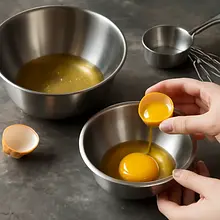
Separate the egg whites from the yolks. The easiest way to do this is by using two bowls: crack the eggshell in the middle, transfer the contents between the halves of the shell, allowing the egg white to flow into one bowl while keeping the yolk in the shell. Pour the yolks into a separate, dry bowl. Make sure that the yolk does not contaminate the egg whites — even a little bit of yolk will make whipping difficult.

Ingredients: Egg
Use two wide bowls (preferably metal or glass) — egg whites whip better in a cool, dry, non-plastic bowl. Room temperature eggs (about 20°C) help with better foaming.
3

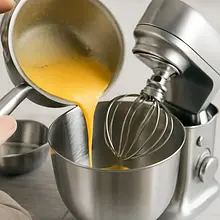
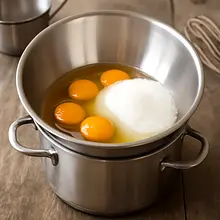
In a large, heatproof bowl, place all 360 g of eggs (whole) and 200 g of sugar. Set the bowl over a pot of gently simmering water (double boiler): the bottom of the bowl should not touch the surface of the water. Whisk continuously for 4–6 minutes until the mixture is pleasantly warm (38–40°C) and the sugar dissolves — check a few crystals by rubbing the mixture between your fingers. The goal is to achieve a warm, but not hot, mixture that whips more easily.

Ingredients: Egg, Sugar (for the dough)
Use a saucepan with a small amount of boiling water and a large bowl that fits on top. Do not allow the water under the bowl to boil. If you don't have a thermometer, the mixture should feel noticeably warm to the touch of the inside of your wrist, but not hot.
4

Transfer the warm mixture of eggs and sugar to a stand mixer or use a hand mixer. Beat on the highest speed for 8–12 minutes, until the mixture is light, very fluffy, and reaches the so-called 'ribbon stage' — lifting the whisk, the mixture will slowly flow down, creating wide ribbons on the surface that hold for a moment.

Ingredients: Egg, Sugar (for the dough)
Use a mixer with a whisk or a hand mixer. Whipping takes a long time; patience is key — don't worry if the mixture seems loose at first; it will thicken over time and turn pale yellow.
5

Add the grated lemon zest (5 g) and vanilla extract (5 g) to the whipped mixture. Briefly mix on the lowest speed or gently with a spoon, just to distribute the flavor — do not reduce the volume of the mixture.

Ingredients: Grated lemon zest, Vanilla extract
Add the flavors gently. You can skip the vanilla or add it instead of the vanilla bean extract.
6

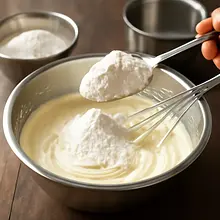
Sift together 150 g of wheat flour and 30 g of corn starch at least twice into a separate bowl — sifting will aerate the flour and remove lumps. Divide the sifted flour into three parts.

Ingredients: Wheat flour, Cornstarch
Use a metal or plastic sieve with medium holes. Sifting is an important step in sponge cake — it improves volume and lightness after baking.
7

Add the first portion of flour (1/3) to the whipped mixture. Folding technique: scoop a large spoon or spatula of the mixture from the bottom of the bowl, drag it over the surface of the flour, and gently fold the flour in, making motions from bottom to top. Repeat until the flour is almost incorporated. Repeat with the next two portions. Do not mix vigorously — the goal is to preserve the air bubbles.

Ingredients: Wheat flour, Cornstarch
Use a wide silicone spatula. If the mixture starts to tightly compact, stop mixing — it's better to leave a few streaks than to lose all the volume. Folding time: 2–3 minutes.
8

Gently pour the prepared batter into the prepared springform pan. Smooth the surface with a spatula, then lightly tap the pan on the counter 2–3 times to release the largest air bubbles — do not hit hard to avoid damaging the structure.

Fill the mold up to a maximum of 3/4 of its height. If the batter seems very loose, a gentle tap will help achieve even baking.

Baking

9

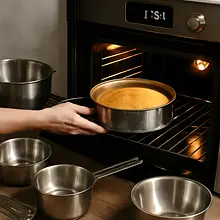
Place the pan on the middle rack of the oven and bake at 170°C for 30–35 minutes. After 25 minutes, check every 3–4 minutes: the surface should be golden, and a toothpick inserted in the center should come out dry or with a few small crumbs. The sponge cake should not be overbaked — it should gently spring back when pressed with a finger.

Do not open the oven in the first 20 minutes — a sudden temperature adjustment may cause the sponge cake to fall. If the top surface browns too quickly, gently cover it with a strip of aluminum foil.

Cooling

10

Remove the sponge cake and immediately turn the pan upside down onto a rack (use the legs of the pan or place an inverted bowl underneath). After about 10 minutes, gently detach the sides of the springform and the paper from the bottom. Leave the sponge cake to cool completely, preferably upside down — this will prevent the crown of the cake from sinking.

Cooling the inverted sponge cake is important: it prevents the mixture from collapsing and maintains a high, even structure. Patiently wait at least 1 hour before cutting.

Raspberry compote

11

In a heavy-bottomed pot, place 300 g of frozen raspberries, 50 g of sugar, and 30 ml of water. Heat over medium heat, stirring until the fruit thaws and releases its juice — gently cook for 6–8 minutes until the mixture reduces and thickens slightly. If you want a smooth sauce, strain the compote through a sieve; if you prefer whole fruit, leave it as is and set aside to cool. Finally, add 10 ml of rum (optional) and mix.

Ingredients: Frozen raspberries (for compote), Sugar (for compote), Rum (optional for the compote)
Use a wooden spoon or silicone spatula. If the compote is too runny after cooling, cook for an additional 1–2 minutes. Be careful not to burn the fruit — stir regularly.

Dough

12

Chill the bowl and the mixer attachments in the fridge for 10–15 minutes. Pour 400 ml of chilled heavy cream into the bowl and beat on medium speed until soft peaks form. When the cream begins to thicken, gradually add 20 g of powdered sugar and continue to beat until the cream forms stable but still creamy peaks — do not overbeat, as the cream will start to separate and turn into butter.

Ingredients: 30% heavy cream, Powdered sugar
Use a metal bowl and a whisk; hold the mixer steady. Check the progress every few seconds — the cream quickly goes from soft to overwhipped.

Assembling

13

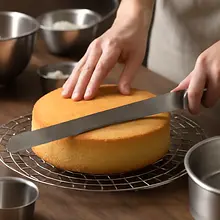
Cut the cooled sponge cake horizontally into two equal layers using a long serrated knife. To achieve an even cut, insert 3–4 toothpicks vertically into the sponge cake at the height where you want to cut, and slice along the line marked by the toothpicks, making gentle sawing motions.

Use a stable, wide cutting board; if you're worried about crumbling, carefully trim the surface before cutting. It's best to cut when the sponge cake is completely cooled.
14

Gently soak the bottom layer of the sponge cake with 2–3 tablespoons of warm or chilled syrup from the compote using a spoon (do not pour, just lightly brush/try). Spread half of the whipped cream evenly over the soaked layer, and then add 2–3 tablespoons of raspberry compote (distribute the fruits evenly). Cover with the second layer of sponge cake and press down lightly.

Ingredients: 30% heavy cream, Frozen raspberries (for compote)
Use a pastry brush for soaking. If the compote was very liquid, strain the liquid and use it for soaking, and arrange the fruits as filling.

Decoration

15

Cover the top and sides of the cake with the remaining whipped cream in an even layer. Decorate with fresh raspberries (about 100 g) to create a ring or loose mounds, and you can sprinkle a little sifted powdered sugar just before serving.

Ingredients: Fresh raspberries (for decoration), Powdered sugar
Use a spatula to smooth the surface. If you want, you can additionally use a piping bag with a nozzle to decorate the edges.

Resting and Serving

16

Place the cake in the refrigerator for at least 2 hours, preferably 3-4, so that the cream stabilizes and the flavors meld. Before cutting, use a long, sharp knife dipped in hot water and wiped dry with a cloth between cuts — this will ensure clean slices.

Chilling will improve the stickiness of the mixture and make slicing easier. When cutting, use smooth sawing motions to avoid crumbling the sponge cake.

Fun Fact

💡

A sponge cake without baking powder relies on aerating the eggs — a technique known since the 18th century, when pastry chefs depended on whipped eggs instead of chemical leaveners. The traditional sponge cake gets its name from the Italian "biscotto" (twice baked), referring to the way it was baked in old ovens.

Best for

Tips

🍽️ Serving

Serve chilled, cut into equal pieces, preferably with a cup of hot tea or delicate coffee. To enhance the flavor, serve additional raspberry sauce in a sauceboat. The cream and fruits can also be replaced with a light lemon curd for contrast.

🥡 Storage

Store in the refrigerator covered for up to 48 hours. Do not freeze the finished cake with whipped cream — the structure of the cream will be ruined after thawing. The sponge cake (without cream) can be baked in advance and stored wrapped in plastic for up to 2 days at room temperature, and then used for assembly.

📸 Ugotowane przez społeczność

Zaloguj się, aby dodać zdjęcie
Dodaj zdjęcie gotowej potrawy

Po zatwierdzeniu przez moderatora otrzymasz 10 punktów doświadczenia.

🍲

Nikt jeszcze nie dodał zdjęcia. Bądź pierwszy!

Comments (0)

Be the first to comment on this recipe!

Add a comment

You might also like

Recipe Categories

Homemade cakes and pastries are the heart of Polish culinary tradition - sweet memories from childhood. In our collection, you will find recipes for classic yeast cakes, shortcrust, sponge, and cheesecake. Apple pie, poppy seed cake, gingerbread, Easter babka, chocolate cake, and New York cheesec...

See all recipes in this category
Desserts
Desserts in: Christmas Eve Dinner

Desserts are a sweet ending to a meal that brings joy to both children and adults. In this category, we present recipes for a variety of sweets - from simple creams and mousses, to elegant panna cottas, and exquisite fruit tarts. Our desserts include both classics of Polish cuisine - fruit jelly,...

See all recipes in this category
Reklama