Prepare the ingredients: peel the onion and chop it into small cubes (about 5 mm), peel the garlic and slice it, grate the carrot on a fine grater, and cut the zucchini into cubes about 1 cm. Wash the spinach and dry it in a salad spinner or gently on a paper towel. By cutting the vegetables evenly, they will steam evenly and there won't be large pieces.
Description
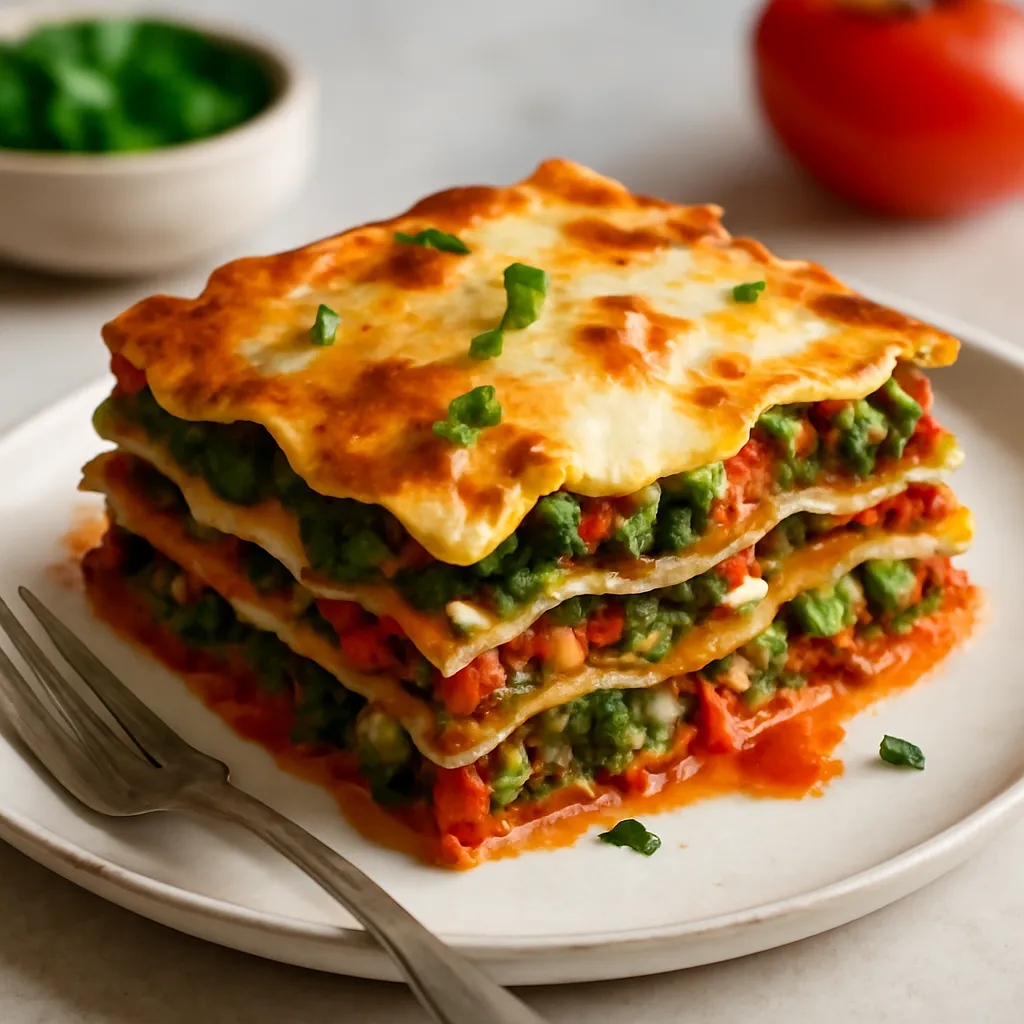
Classic Italian lasagna in a vegetarian version is a layered casserole made with sheets of pasta, aromatic tomato-vegetable sauce, creamy béchamel, and a mix of cheeses: ricotta, mozzarella, and parmesan. The dish has a pronounced flavor thanks to the sautéed vegetables (onion, garlic, carrot, zucchini) and herbs (oregano, basil), combining the sweetness of tomatoes with the creaminess of cheese. It presents beautifully on the plate — a golden, slightly crispy top, with a juicy and creamy interior. Great for New Year's Eve 2025 and other family occasions: it can be prepared in advance and just baked before serving. The portion is hearty, aromatic, and visually appealing thanks to the layers and fresh basil and arugula.
Składniki (23)
- Olive oil 30 ml
- Onion 1.3 szt.
- Garlic 3 ząbki
- Carrot 1.9 szt.
- Zucchini 0.8 szt.
- Fresh spinach 300 g
- Canned diced tomatoes 800 g
- Tomato paste 60 g
- Dried oregano 4 g
- Lasagna pasta (dry sheets) 250 g
- Ricotta 400 g
- Mozzarella 200 g
- Parmesan (grated) 80 g
- Butter 50 g
- Wheat flour 50 g
- Milk 3.2% 700 ml
- 🌿 Przyprawy
- Fresh basil 1 pęczek
- Salt 8 g
- Ground black pepper 2 szczypty
- Nutmeg 2 szczypty
- ✨ Opcjonalne
- Pine nuts (optional) 30 g
- Chili flakes (optional) 2 szczypty
- Arugula (optional for serving) 50 g
💡 Kliknij na składnik aby oznaczyć jako użyty
Preparation steps
Preparation of vegetables and sauce
Vegetable sauce
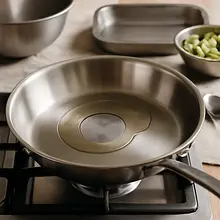
Heat a large skillet or saucepan (preferably 26-28 cm or a 3 l pot) over medium heat. Pour in olive oil (30 g). Once the oil is heated (it should shimmer slightly, not smoke), add onion (200 g). Sauté for 5–7 minutes, stirring with a wooden spoon, until the onion becomes translucent and lightly golden. Add garlic (15 g) and sauté for 30–45 seconds until it becomes fragrant — be careful not to burn it (which would give a bitter taste).
Add grated carrot (150 g) to the sautéed onion and fry for 4–5 minutes, stirring, until the carrot softens. Add chopped zucchini (200 g) and fry for another 4 minutes, until the zucchini slightly softens and starts to release water. Then add fresh spinach (300 g) in batches — sauté each addition for 1–2 minutes, until the leaves wilt. The entire cooking time for the vegetables should be 10–12 minutes.
Pour the canned diced tomatoes (800 g) into the sautéed vegetables and add the tomato paste (60 g). Stir, bring to a gentle boil, then reduce the heat to low and cook the sauce uncovered for 20–25 minutes, stirring every 5 minutes — the sauce should thicken and lose the "raw" smell of tomatoes.
Season the sauce with dried oregano (4 g), chopped basil (leave a few leaves for decoration), and salt and pepper (8 g of salt, 2 g of pepper). Cook for another 3–5 minutes, taste, and adjust the seasoning. If the sauce is too sour, you can add a little sugar (optional, 5 g) — but it's not necessary.
Béchamel
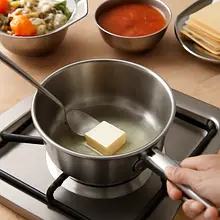
Prepare the béchamel: in a medium saucepan, melt the butter (50 g) over medium heat. When the butter has melted and starts to foam slightly, add the flour (50 g) and vigorously stir with a wooden spoon for 1–2 minutes, until the roux loses its raw taste — do not allow it to brown (it should be light golden).
Slowly pour warm milk (700 ml) into the roux while constantly whisking. Start with about 100 ml, mix until smooth, and then gradually add the rest. Cook over low heat for 6–8 minutes, stirring until the sauce thickens to the consistency of thick cream. Season with salt (1/2 teaspoon from the total), pepper, and a pinch of freshly grated nutmeg (1 g).
Cheese layer
In a bowl, mix the ricotta (400 g) with half of the grated parmesan (40 g) and 1/4 teaspoon of salt (about 1 g) along with freshly ground pepper. The mixture should be smooth — if the ricotta is too watery, drain it in a sieve for 15 minutes on a paper towel.
Assembling and baking
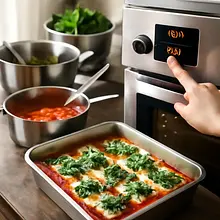
Preheat the oven to 180°C (top and bottom heat, if you have it). Prepare a baking dish measuring about 23x33 cm (or similar capacity). Pour a thin layer of tomato-vegetable sauce (about 120 g) on the bottom of the dish — this will prevent the pasta from sticking. Arrange the first layer of lasagna sheets so that they slightly overlap (use about 3–4 sheets depending on the width of the dish).
Spread 1/3 of the ricotta mixture (about 133 g) evenly over the layer of pasta, then add 1/3 of the béchamel (about 150 g) and sprinkle a thin layer of mozzarella (about 66 g) on top. Spread another layer of tomato sauce (about 150–180 g) over that. Continue layering: sheets, ricotta, béchamel, mozzarella, sauce — until all ingredients are used up. The final layer should be béchamel, topped with the remaining mozzarella and the rest of the parmesan (about 40 g). The dish should have 3–4 layers of pasta.
Place the dish covered loosely with aluminum foil (shiny side in) in the preheated oven. Bake for 25 minutes covered, then remove the foil and bake for another 15–20 minutes, until the top is golden and slightly browned. Total baking time is about 40–45 minutes. Doneness indicator: the pasta must be soft (check by inserting a knife — it should go in smoothly) and the center should be bubbling at the edges.
Serving
After removing the lasagna from the oven, let it sit for 10–15 minutes so the sauces can thicken slightly and the layers can "set" — this will make it easier to cut neat portions. Cut the lasagna into 6 equal portions and serve on warm plates. Sprinkle each portion with fresh basil leaves, optionally toasted pine nuts (30 g divided among the portions) and arugula (50 g to share). If you like a spicy kick, add a pinch of chili flakes (2 g) on the plate.
Fun Fact
Lasagna has its roots in Italy (the Emilia-Romagna region), where the traditional lasagna alla bolognese uses ragù sauce. Vegetable versions have emerged as seasonal adaptations and vegetarian variants, especially popular in areas rich in fresh vegetables.
Best for
Tips
Serve the lasagna slightly cooled (10–15 minutes after taking it out of the oven). With a glass of red wine (e.g., Sangiovese) or a refreshing arugula salad with lemon dressing. A portion can be served with a thin slice of lemon on the side, allowing guests to drizzle it over the arugula for contrast.
Store in the refrigerator in an airtight container for up to 3 days. To freeze: cut into portions, freeze in individual portions in airtight containers for 2–3 months. Reheating: in the oven at 160–170°C for 20–30 minutes (covered, then uncover for a few minutes to brown the top) or in the microwave on medium power for 3–5 minutes, stirring halfway through for even heating.
📸 Ugotowane przez społeczność
Zaloguj się, aby dodać zdjęcieDodaj zdjęcie gotowej potrawy
Po zatwierdzeniu przez moderatora otrzymasz 10 punktów doświadczenia.
Nikt jeszcze nie dodał zdjęcia. Bądź pierwszy!
Comments (0)
Be the first to comment on this recipe!
Add a comment