Amaranth
Description
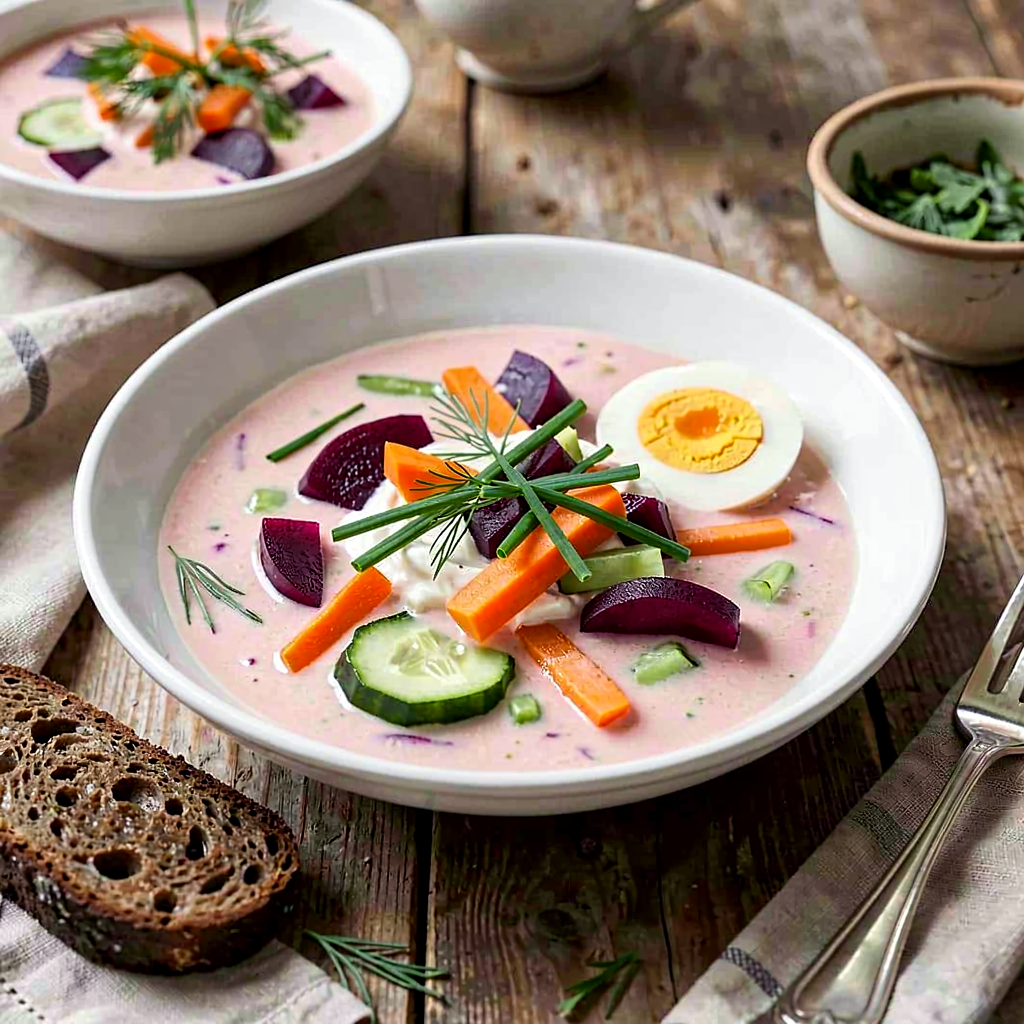
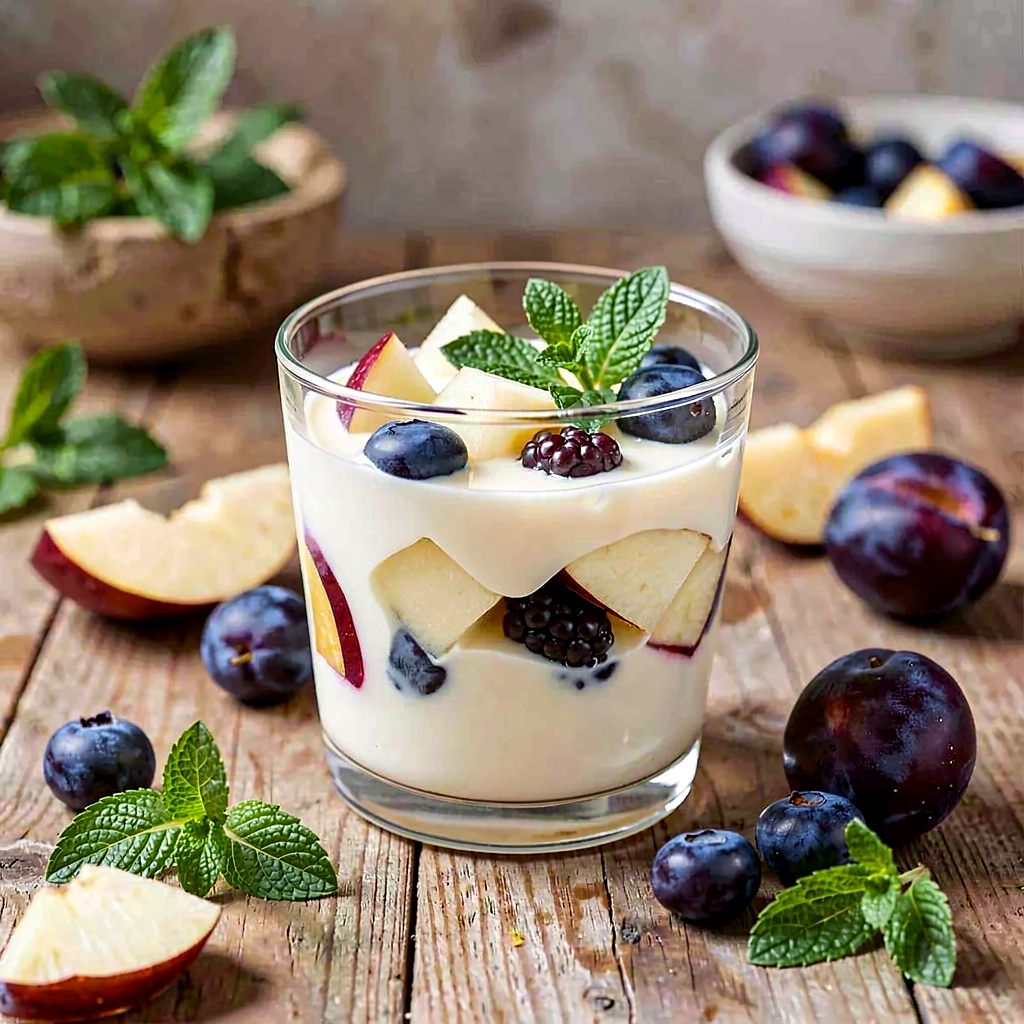
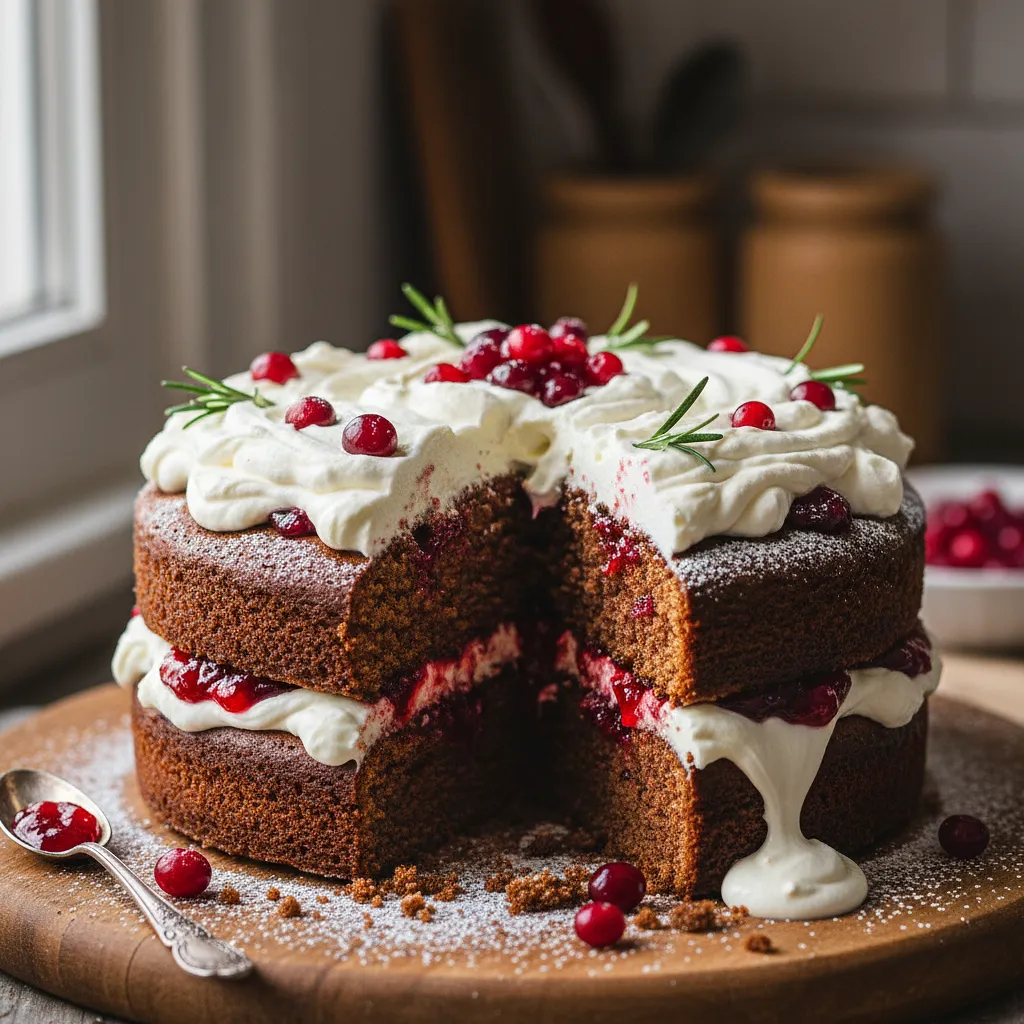
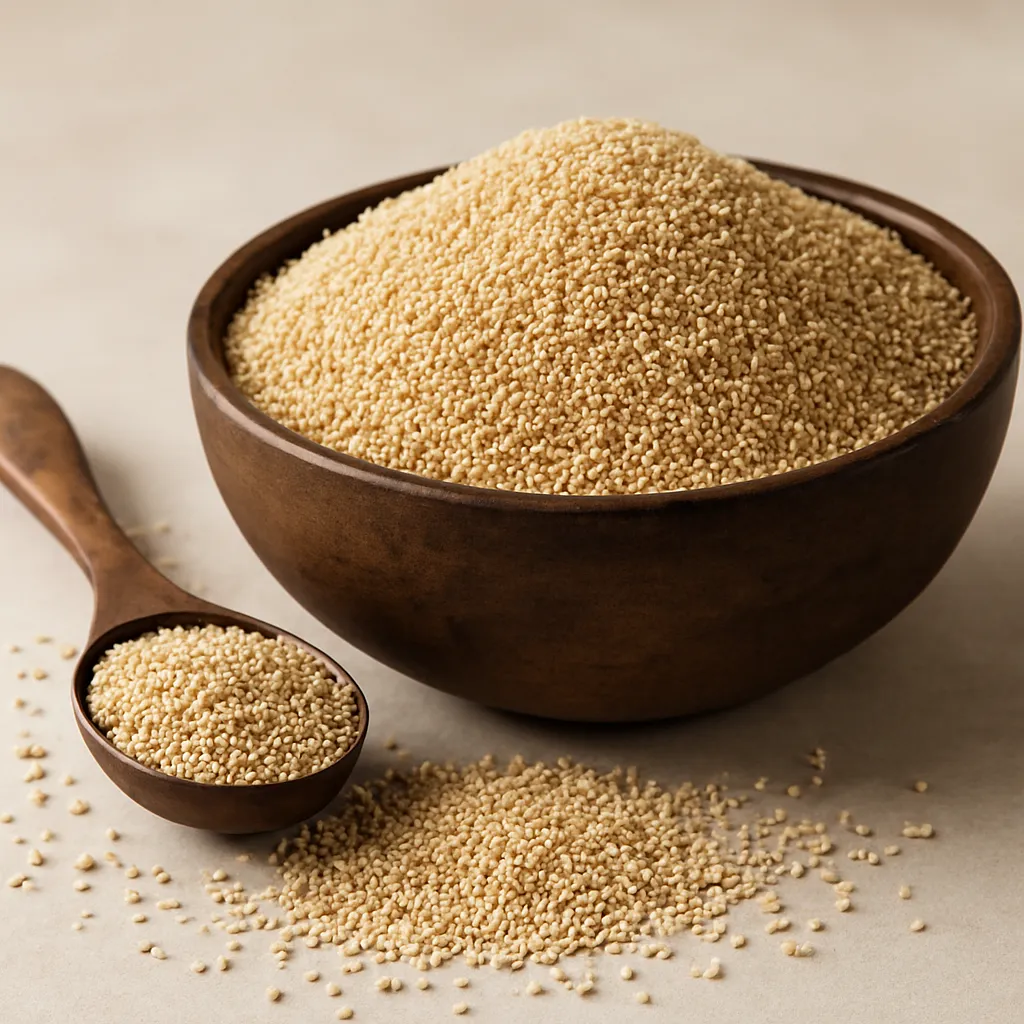
Amaranth is a small, pearl-beige grain with a subtly nutty, slightly earthy flavor and a shimmering, glossy appearance when cooked; the grains swell and create a porridge-like texture, while toasted "popped" amaranth is crunchy and aromatic. As flour, it provides a slightly grainy texture and a subtle taste that pairs well with both sweet and savory additions. Amaranth is notable for its high protein content with a complete amino acid profile, fiber, iron, magnesium, calcium, and B vitamins, and it is naturally gluten-free, which supports muscle building, bone health, and digestion, and may help lower cholesterol. In the kitchen, it is used for porridge, soups, salads, baked goods, and as a substitute for rice or grains; amaranth flour enriches breads and pancakes. Store the grains in an airtight container in a cool, dry place, and the flour is best kept in the refrigerator or freezer — the grains stay fresh for 1–2 years, while the flour lasts shorter.