Sugar (for the dough)
Description
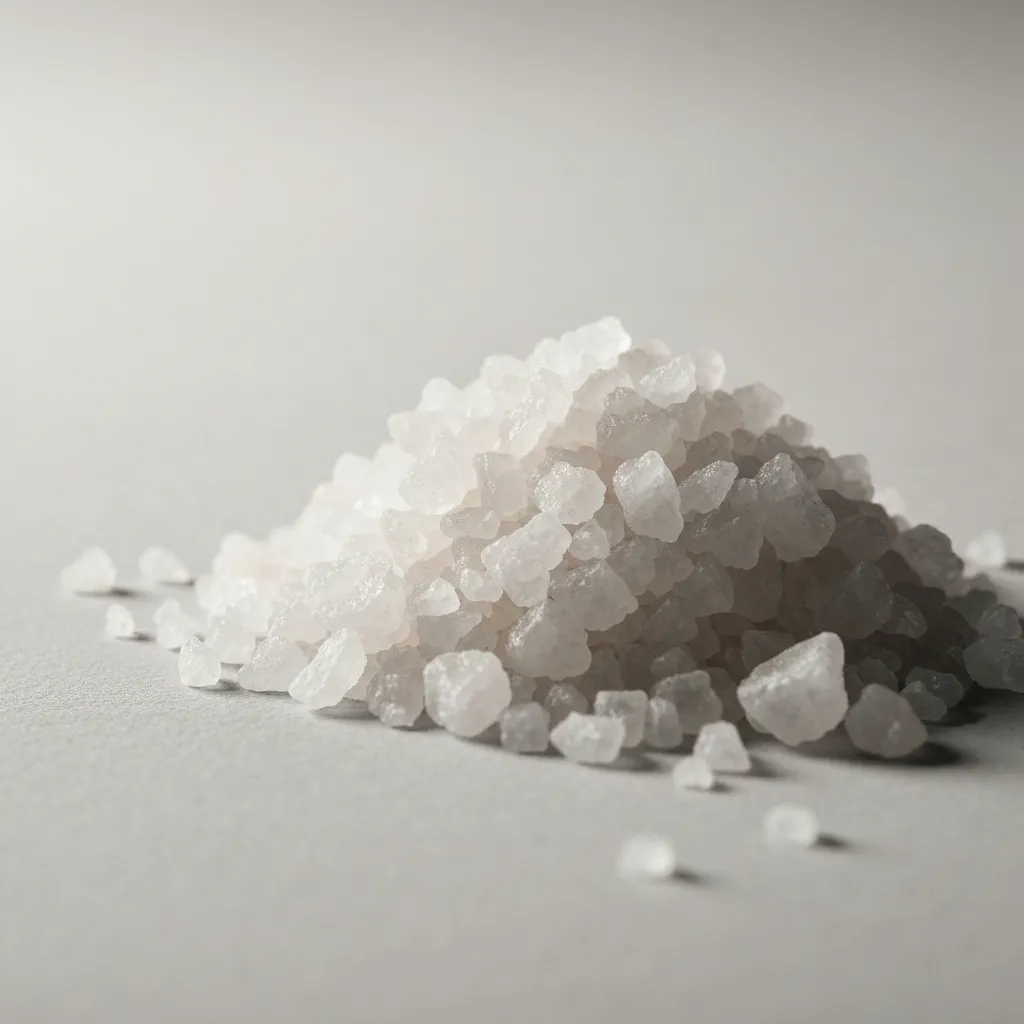
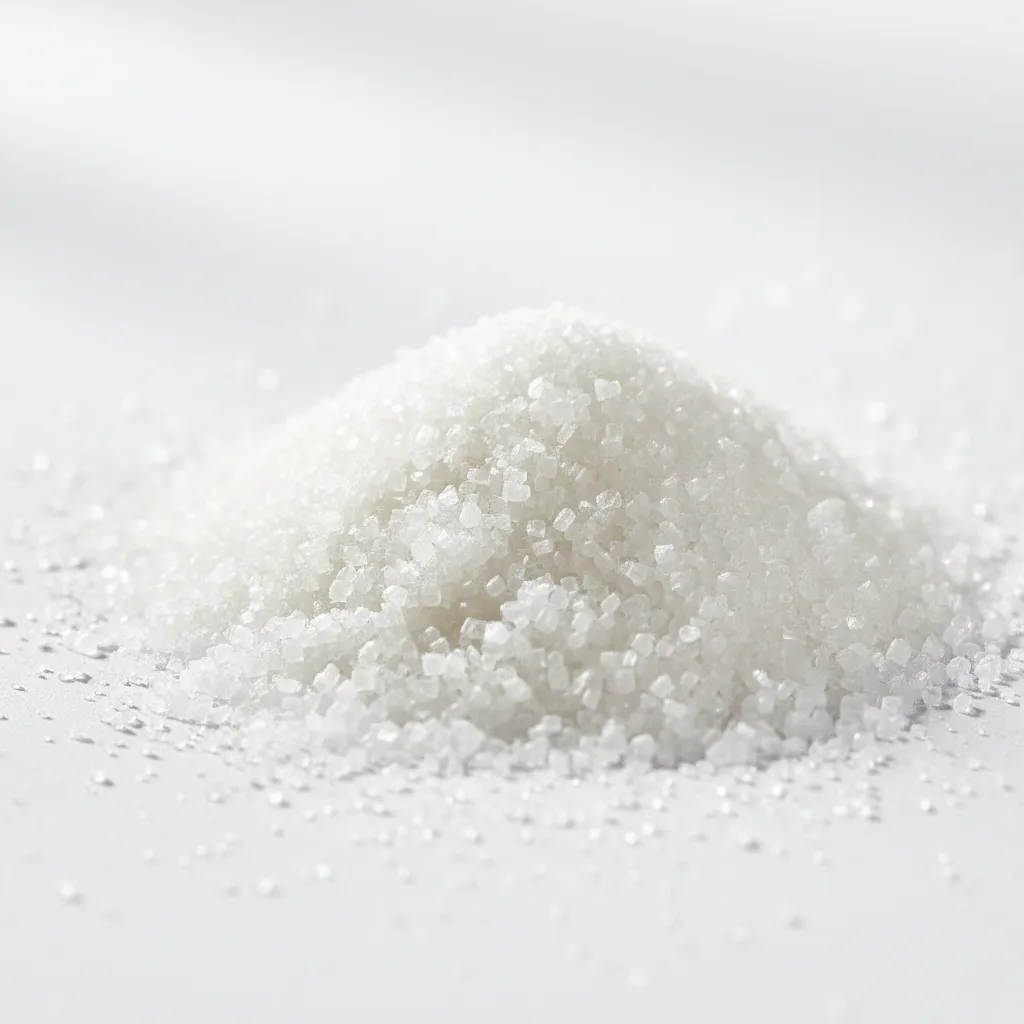
Cake sugar is most often white, finely granulated crystals or powdered sugar with a neutral, intensely sweet flavor and a clear, shiny appearance, which dissolves easily in liquid and gives baked goods a soft texture and a golden crust after caramelization. The nutritional values of sugar are concentrated — about 387–400 kcal per 100 g, practically pure carbohydrate (sucrose), almost devoid of protein, fat, fiber, and significant vitamins or minerals; it provides quickly absorbable energy in a short time, but in excess, it promotes tooth decay, weight gain, and metabolic disorders, so it should be used in moderation. In the kitchen, sugar is the foundation of cakes, creams, meringues, cookies, and crumbles, supports the rising of yeast dough, stabilizes egg whites, and caramelizes for sauces and decorations. It should be stored in an airtight container in a dry, cool place, away from moisture and strong odors, which will help maintain its granularity and freshness for a long time.