Egg (for glazing)
Description
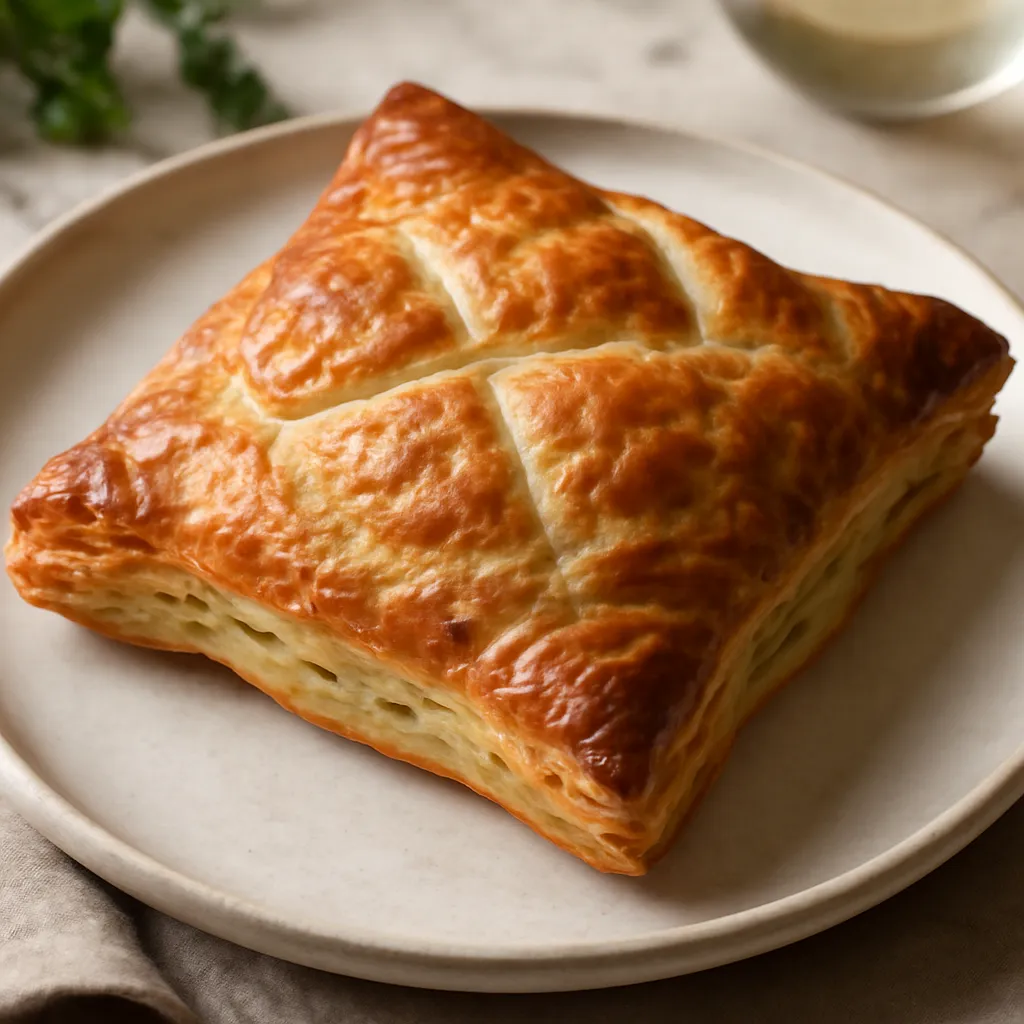
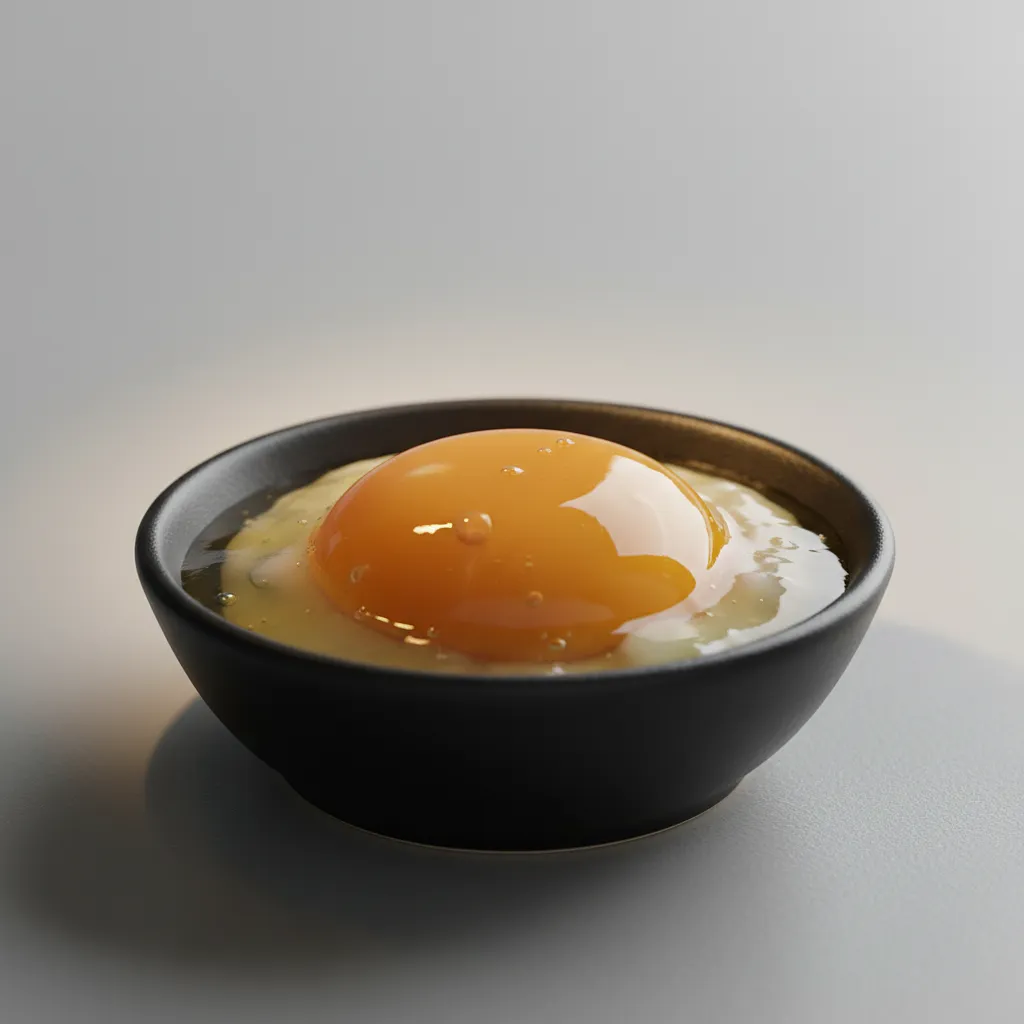
The egg used for glazing is most often a beaten whole egg or yolk, which gives baked goods a shiny, golden surface and enhances browning. The flavor itself is mild, not overpowering the filling, but it improves the texture of the crust and helps adhere sesame seeds, poppy seeds, or sugar. The glazing egg can be used in the form of a whole mass, just yolks for a deeper color, or whites for a subtle shine. Nutritionally, eggs provide high-quality protein, vitamins A, D, B12, choline, and minerals like selenium and iron, although they also contain cholesterol, so it’s best to consume them in moderation. In the kitchen, they are suitable for bread, sweet rolls, shortcrust and puff pastries, as well as for gluing toppings. They should be stored in the refrigerator, in their original packaging, avoiding the use of eggs with cracked shells, and the prepared glaze should be used immediately or stored chilled for a maximum of 24 hours; for sensitive individuals, it is better to choose pasteurized eggs.