Thoroughly wash the goose legs under cold running water and dry them with a paper towel. This is an important step to ensure the meat browns nicely. In a large pot with a thick bottom, heat 1 tablespoon of clarified butter. Place the legs skin-side down and fry over medium heat for about 5-7 minutes on each side, until the skin becomes golden-brown and crispy. Do not move the meat too often; let it brown peacefully.
Description
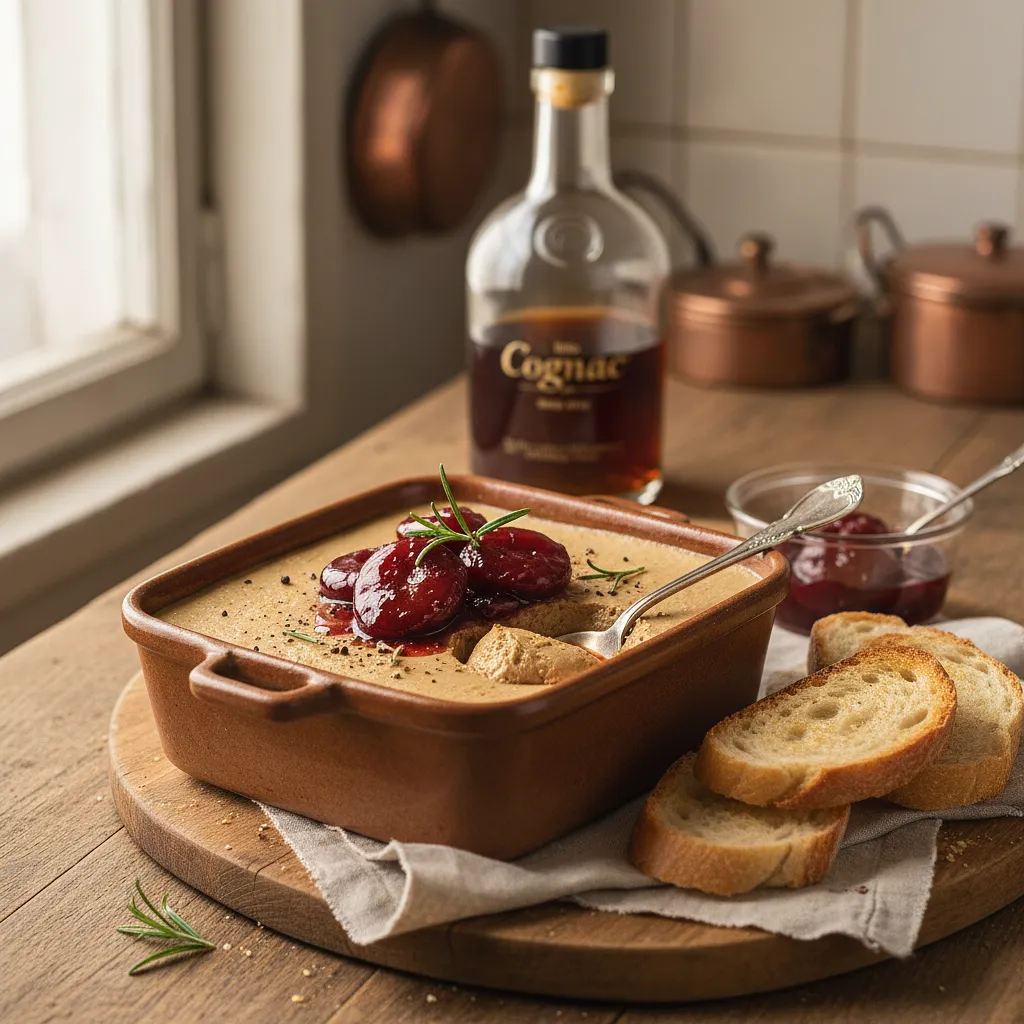
Velvety, essential, and incredibly aromatic goose pâté is the quintessence of festive Polish cuisine. This recipe, inspired by tradition but with a modern twist, will allow you to create a culinary masterpiece. The goose meat, slowly braised with vegetables and herbs, acquires extraordinary tenderness and depth of flavor. The addition of delicate chicken liver ensures a creamy consistency, while dried plums and a touch of brandy break the richness of the flavor with a sweet-savory note. The pâté has a perfectly smooth texture thanks to being ground twice and is baked in a water bath, which guarantees its juiciness. Served cold, with crispy bread and homemade cranberry sauce, it makes an exquisite appetizer that will delight guests during holidays, family celebrations, or elegant gatherings. Its appearance – with an appetizingly browned top – is as impressive as its taste.
Składniki (20)
- Goose legs 2 szt.
- Chicken liver 300 g
- Onion 2 szt.
- Carrot 2.5 szt.
- Parsley root 1 szt.
- Celeriac 50 g
- Garlic 4 ząbki
- Stale wheat roll 60 g
- Egg 2 szt.
- Masło klarowane 2 łyżki
- Brandy lub koniak 30 ml
- Dried plums 5 szt.
- 🌿 Przyprawy
- Dried marjoram 2 łyżeczki
- Salt 10 g
- Pieprz czarny świeżo mielony 5 szczypt
- Allspice 2 g
- Bay leaf 3.3 szt.
- Jałowiec 2 g
- ✨ Opcjonalne
- Nutmeg 2 szczypty
- Smoked bacon slices 100 g
💡 Kliknij na składnik aby oznaczyć jako użyty
Preparation steps
Stewing meat and vegetables
When the meat is browned, add to the pot the peeled and chopped large pieces of vegetables: 1 onion, carrots, parsley, and celery. Also add the spices: bay leaves, allspice, and lightly crushed juniper berries in a mortar or with the flat side of a knife. Sauté everything together for about 5 minutes, stirring occasionally, so that the vegetables caramelize slightly and release their aroma.
Pour hot water into the pot so that the meat and vegetables are almost completely covered (about 1.5 liters of water). Bring to a boil, then reduce the heat to the minimum, cover the pot, and simmer for about 2.5 hours. After this time, the meat should be extremely tender and easily pull away from the bone. The liquid that forms will be a flavorful broth that will serve as the base for the pâté.
Preparing the liver
At the end of braising the meat, prepare the liver. Clean the liver of membranes and veins, rinse and dry it. In a pan, heat the remaining tablespoon of clarified butter. Cut the second onion into feathers and the garlic into slices. Sauté the onion in the butter (about 5-6 minutes), then add the garlic and fry for another minute until it starts to smell. Increase the heat, add the liver and fry for about 2-3 minutes on each side. The liver should be browned on the outside but slightly pink on the inside.
When the liver is cooked, pour brandy into the hot pan. Be careful, the alcohol may ignite (flambé). For a minute, scrape all the burnt bits from the bottom of the pan, which will add flavor. Add the sliced dried plums and cook for another minute until the alcohol evaporates and the plums soften. Remove the pan from the heat and set aside.
Grinding and combining the mixture
Remove the braised meat and vegetables from the broth using a slotted spoon. Set them aside for about 20-30 minutes to cool slightly. When the meat is no longer too hot to touch, carefully separate it from the bones and skin. Keep the broth – it will be needed! Soak the stale bread in 1 cup (250ml) of hot broth until it completely absorbs the liquid.
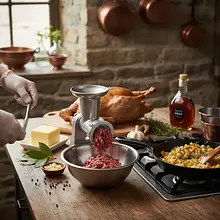
Prepare the meat grinder. Grind together: peeled goose meat, sautéed vegetables, the entire contents of the pan (liver with plums and onion), and the bread soaked in broth. Use a medium-mesh sieve. Then, to achieve a perfectly smooth and velvety consistency, grind the entire mixture again, this time using a fine-mesh sieve.
Transfer the ground mixture to a large bowl. Crack in two eggs. Add salt, freshly ground pepper, and marjoram rubbed between your hands. Additionally, to enhance the aroma, you can grate a bit of nutmeg. Now, gradually pour in the remaining strained broth (about 150-200 ml), while continuously mixing the mixture. The mixture should have the consistency of very thick cream or a spreadable paste. Knead it thoroughly by hand or with a wooden spoon for a few minutes until it is uniform and well-aerated.
Baking the pâté
Preheat the oven to 180°C (fan or conventional). Prepare a loaf pan about 25 cm long. Grease it thoroughly with butter and sprinkle with breadcrumbs, shaking off the excess. Transfer the pâté mixture to the pan, smoothing the top with a spatula. If using, arrange slices of smoked bacon on top, slightly overlapping.
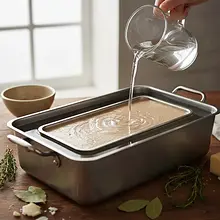
Place the mold with the pâté into a larger baking dish or deep tray. Pour boiling water into the larger dish so that it reaches halfway up the sides of the mold with the pâté. This water bath will ensure the pâté remains moist and prevents it from cracking. Place the whole setup in the preheated oven and bake for 60-70 minutes. The pâté is ready when the top is nicely browned and the sides pull away from the mold.
After baking, carefully remove the terrine with the pâté from the water bath and set it on a rack to cool completely at room temperature. Do not attempt to slice the hot pâté, as it will crumble! Once the pâté is cold, cover the terrine with plastic wrap and place it in the refrigerator for at least 12 hours, preferably for a full day. During this time, the flavors will meld, and the pâté will achieve the right, firm consistency.
Fun Fact
Pâté, although associated with Polish cuisine, has its roots in medieval France, where 'pâté' meant a pastry filled with stuffing. It likely arrived in Poland in the 16th century with the court of Queen Bona Sforza and over time evolved into a baked, crustless block, becoming a symbol of festive abundance and culinary artistry.
Best for
Tips
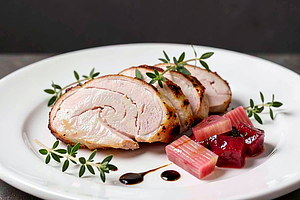
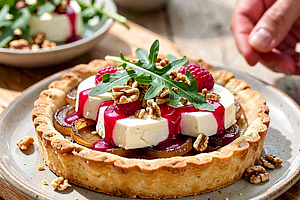
The pâté tastes best cold, after spending at least 12 hours in the refrigerator. Serve it sliced thickly (about 1.5 cm) with crispy bread (e.g., country sourdough bread or a baguette), cranberry jam, tartar sauce, horseradish, or pickled mushrooms. It pairs wonderfully with a glass of dry red wine, such as Pinot Noir.
Store the pâté in the refrigerator, wrapped in baking paper or in an airtight container, for up to 7 days. It can also be frozen in portions – wrap tightly in plastic wrap and aluminum foil. In the freezer, it will stay fresh for up to 3 months. Before serving, thaw slowly in the refrigerator overnight.
📸 Ugotowane przez społeczność
Zaloguj się, aby dodać zdjęcieDodaj zdjęcie gotowej potrawy
Po zatwierdzeniu przez moderatora otrzymasz 10 punktów doświadczenia.
Nikt jeszcze nie dodał zdjęcia. Bądź pierwszy!
Comments (0)
Be the first to comment on this recipe!
Add a comment