Menu

Podhale-style Dumplings with Garlic Butter and Bryndza

Pikantne Regional Cuisine for Christmas Eve Christmas Appetizers Vegetarian Dishes 90 min Medium 4 wyświetleń ~25.08 PLN - (0)
Rate:
(0)

Description

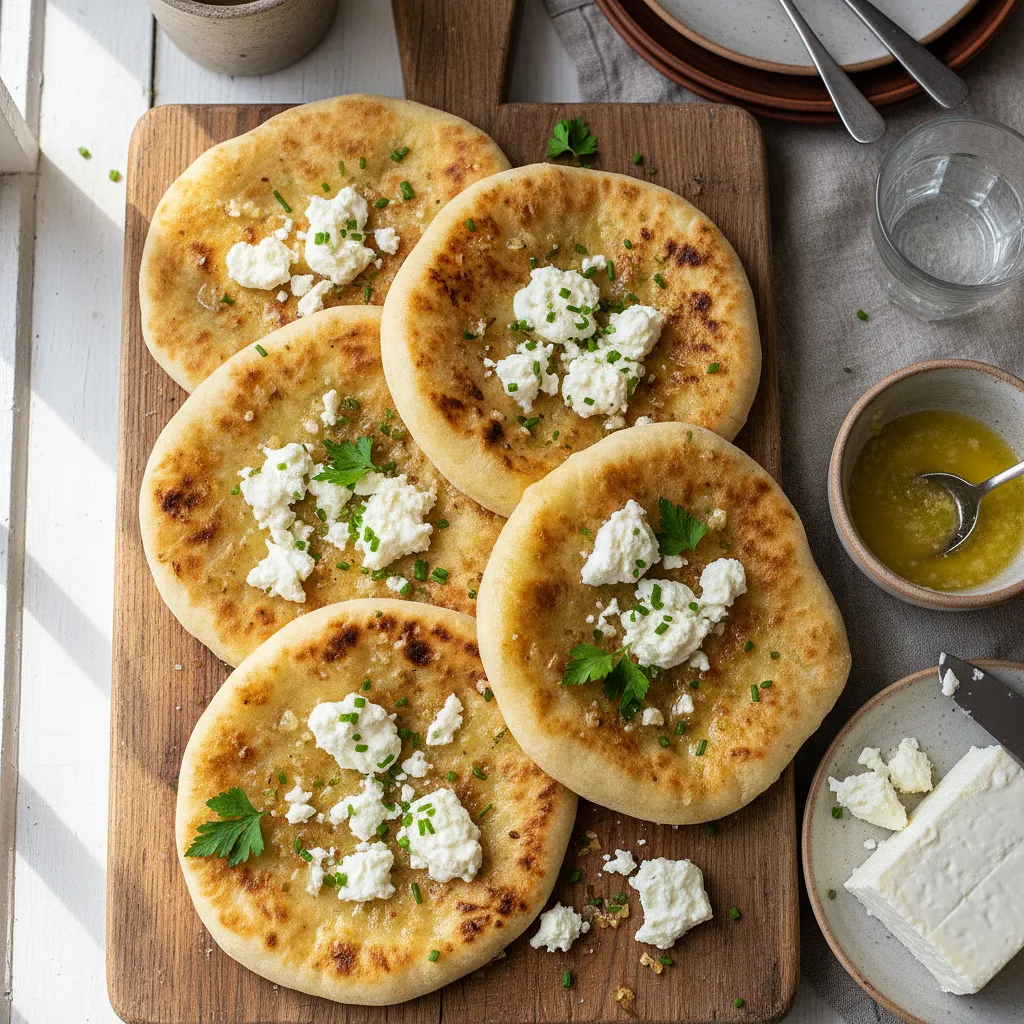
Moskole are traditional potato pancakes from the heart of the Polish Tatra Mountains, from the Podhale region. Unlike popular pancakes made from raw potatoes, moskole are prepared with cooked and pressed potatoes, which gives them an incredibly fluffy and delicate texture inside, with a characteristically browned, crispy crust on the outside. They are baked on a dry, well-heated baking sheet or skillet, without the addition of fat, echoing the old cooking methods used in tiled stoves. According to legend, their name comes from Russian soldiers from World War I, known as 'Moskal', who used to bake similar pancakes. In our version, we serve them in the tastiest, classic way: hot, generously drizzled with aromatic garlic butter and sprinkled with salty, flavorful Podhale bryndza. This dish is the essence of simplicity and flavor, perfect as a warm appetizer on the Christmas table or a hearty addition to mushroom soup.

Składniki (9)

Servings:
4
  • Potatoes 6.7 szt.
  • Wheat flour 200 g
  • Egg 1 szt.
  • Butter 100 g
  • Garlic 3 ząbki
  • Podhale cheese 150 g
  • 🌿 Przyprawy
  • Salt 10 g
  • ✨ Opcjonalne
  • Chives 0.2 pęczków
  • Soured milk 500 ml
💰 Szacowany koszt dania: ~25.08 PLN (6.27 PLN/porcję)

💡 Kliknij na składnik aby oznaczyć jako użyty

Preparation steps

Preparation of Potato Base

1

Thoroughly wash the potatoes under running water, scrubbing the skin with a brush. Do not peel them. Place the potatoes in a large pot, cover them completely with cold water. Add one teaspoon of salt. Cook over medium heat, covered, for about 20-30 minutes from the moment it starts boiling. The cooking time depends on the size of the potatoes. Check if they are done by inserting a fork or a thin knife into the largest potato – it should go in smoothly, without resistance.

Ingredients: Potatoes, Salt
Cooking potatoes in their skins helps them absorb less water and retain more flavor and starch. This is crucial for achieving the right consistency of the dough. Use a pot with a capacity of at least 4-5 liters.
2

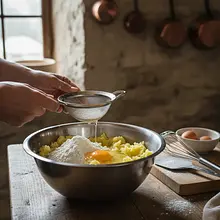
Drain the cooked potatoes and set them aside for 2-3 minutes to let them steam off slightly. Then, while they are still very hot, peel them. Be careful not to burn yourself - you can hold the potato with a fork. Immediately pass the peeled, hot potatoes through a potato ricer into a large bowl. You should get a smooth, fluffy mixture without lumps.

Ingredients: Potatoes
The best tool is a potato ricer, which perfectly aerates them. If you don't have one, use a potato masher. Absolutely do not use a blender or food processor! It will destroy the starch structure and turn the potatoes into a sticky, gooey mass, from which you won't be able to make good dumplings.
3

Spread the pressed potatoes evenly in the bowl to create as large a surface area for steaming as possible. Set the potato mixture aside to cool completely. It should reach room temperature. This may take about 30-40 minutes. This step is extremely important.

Do not try to rush this process. Adding flour to warm potatoes will cause the dough to stick, and you will have to add significantly more flour, which will make the moskole tough and rubbery. Patience in this step is the key to success.

Dough and Shaping of Moskali

4

To the completely cooled potato mixture, add the sifted wheat flour, crack in one egg, and add the remaining teaspoon of salt. Start kneading the dough by hand, gently combining the ingredients. Knead only until the ingredients are combined and a smooth, firm dough forms. The dough should be soft but not sticky to the hands.

Ingredients: Wheat flour, Egg, Salt
This is the most important step! The potato dough should not be kneaded for too long. The longer you knead it, the tougher and more rubbery it becomes. Just 1-2 minutes of vigorous mixing of the ingredients is enough. If the dough is too sticky, add a little flour, but do so sparingly.
5

Transfer the dough to a lightly floured countertop or board. Shape the dough into a log with a diameter of about 5-6 cm. Then, using a knife, cut the log into equal slices about 1.5 cm thick. From each slice, shape a round, flat patty in your hands with a diameter of about 8-10 cm and a thickness no greater than 1 cm.

Try to make all the moskole have a similar thickness - this way they will fry evenly. Don't make them too thick, as they may be raw inside. Lightly dust your hands with flour to prevent the dough from sticking while shaping.

Frying and Preparing the Additions

6

Preheat a heavy-bottomed skillet (preferably cast iron or steel) over medium heat. The skillet must be completely dry - do not add any fat. When the skillet is hot (a drop of water should 'dance' on it), place the moskole on it, leaving small gaps between them. Fry each batch for about 3-4 minutes on each side, until the pancakes have characteristic dark brown spots and are cooked through. Transfer the finished moskole to a plate and keep warm (e.g., in a slightly heated oven).

The key is the right temperature of the pan. If it's too low, the moskole will dry out instead of baking. If it's too high, they will burn on the outside while remaining raw inside. Adjust the burner power while frying. Do not press the pancakes down with a spatula.
7

While the last batch of dumplings is frying, prepare the garlic butter. In a small saucepan, place the butter. Peel the garlic cloves, then press them through a garlic press or chop them very finely. Add the garlic to the butter. Heat everything over low heat until the butter is completely melted and starts to smell like garlic. Stir occasionally. Be careful not to let the butter boil or burn the garlic, as it will become bitter.

Ingredients: Butter, Garlic
Use a small saucepan so that the butter easily coats the garlic. Heat it only until the garlic aroma becomes intense. Do not allow the butter or garlic to brown.

Final Presentation

8

Serve the moskole immediately after frying, while they are hot and crispy. Arrange a few pancakes on a plate, generously drizzle them with hot garlic butter. Crumble the cheese on top with your fingers to evenly cover the pancakes. If you are using optional ingredients, sprinkle finely chopped chives over the top. Additionally, you can place a glass of buttermilk or kefir on the side for drinking.

Ingredients: Podhale cheese, Chives, Soured milk
This dish tastes best hot, straight from the pan. Don't wait to serve it. The order is important: first hot butter, which will slightly soak into the pancake, and then cheese, which will gently warm up.

Fun Fact

💡

The name 'moskol' most likely comes from the term 'Moskal', which was used in Podhale to refer to Russian soldiers stationed in Galicia during World War I. It was they who baked simple flatbreads from boiled potatoes on the oven trays, inspiring the local population.

Best for

Tips

🍽️ Serving

Moskole are a complete dish, but on the Christmas Eve table, they can serve as a hearty addition to clear red borscht or mushroom soup. They can also be served as a separate hot appetizer before the main course, e.g., fried carp. Always serve them freshly prepared, as they lose their crispiness once cooled.

🥡 Storage

Moskole taste best right after preparation. However, if there are any leftovers, store them in the refrigerator in an airtight container for up to 2 days. To reheat, it's best to place them on a dry, heated skillet and warm them for 1-2 minutes on each side until they regain their crispiness. Reheating in the microwave is not recommended, as they will become rubbery.

📸 Ugotowane przez społeczność

Zaloguj się, aby dodać zdjęcie
Dodaj zdjęcie gotowej potrawy

Po zatwierdzeniu przez moderatora otrzymasz 10 punktów doświadczenia.

🍲

Nikt jeszcze nie dodał zdjęcia. Bądź pierwszy!

Comments (0)

Be the first to comment on this recipe!

Add a comment

You might also like

Recipe Categories

Regional cuisine for Christmas Eve features local traditions from various corners of Poland. Christmas Eve pierogi ruskie from Podkarpacie - with potatoes, cheese, and onions. Carp in Kashubian style - in horseradish sauce with raisins and almonds. Silesian żurek on sourdough - with mushrooms ins...

See all recipes in this category

Christmas appetizers are an elegant start to the holiday dinner - delicate, exquisite, and beautifully presented. Herring in various versions: in oil, in cream, with apple and onion, in mustard sauce. Fish spreads, salmon mousse, and tartlets with caviar. Beetroot carpaccio, vegetable salad, and ...

See all recipes in this category

Vegetarian cuisine is a wealth of flavors without meat - healthy, colorful, and filling. Plant-based proteins: lentils, chickpeas, beans, peas, and soy take center stage. Cheeses and dairy: feta, halloumi, ricotta, and mascarpone in main dishes. Eggs in various forms: omelets, frittata, shakshuka...

See all recipes in this category
Additions
Additions in: New Year's Eve

Side dishes should complement the main courses, introducing variety and color to the New Year's table.

See all recipes in this category
Reklama