In a large bowl, place all the dry ingredients: rice flour, potato starch, tapioca flour, psyllium husk, instant yeast, and salt. Take a large whisk and mix everything very thoroughly for about a minute. The goal is to ensure the ingredients are evenly combined, especially that the yeast and salt are well distributed. This is crucial for the even rising of the bread.
Description
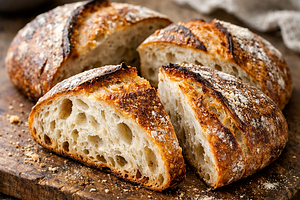
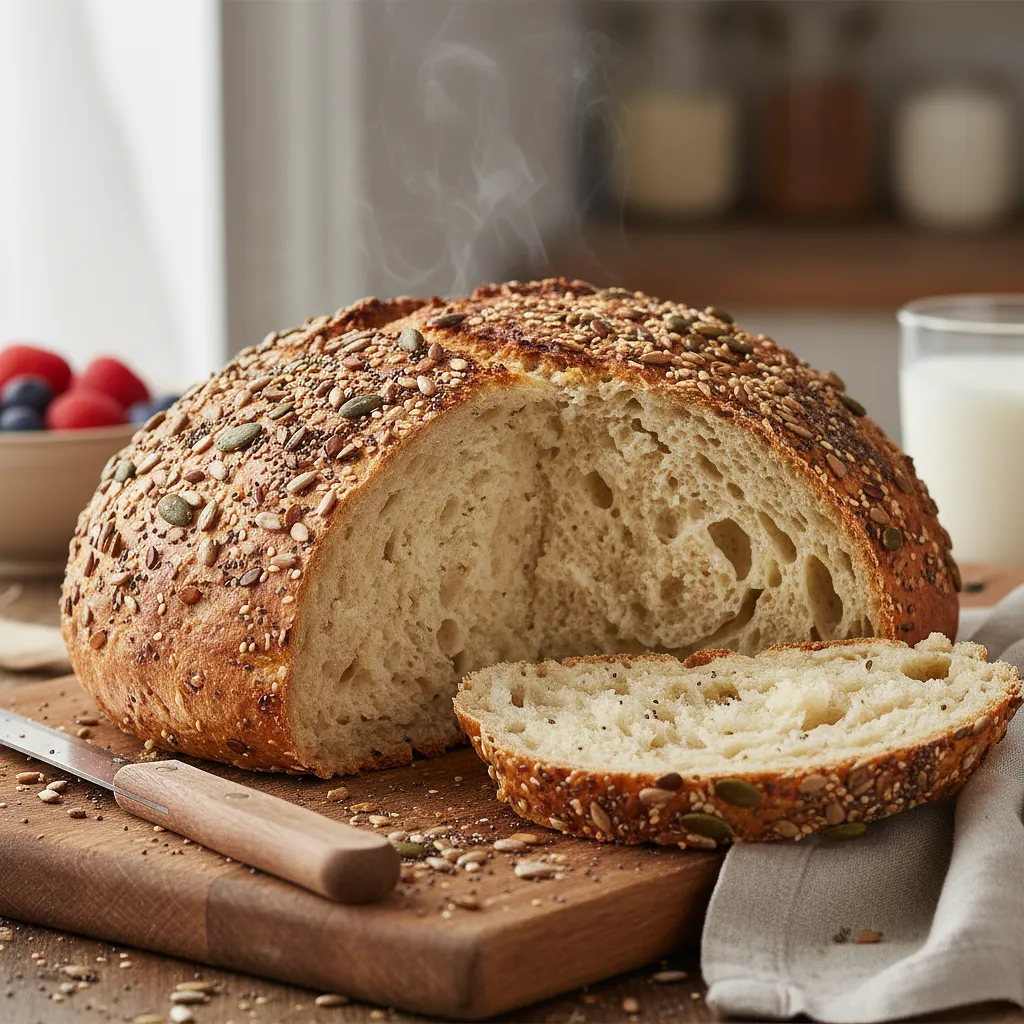
Discover the joy of home baking with this recipe for fluffy and aromatic gluten-free bread that will change your perception of gluten-free baked goods! This bread is a true treasure – its crust is wonderfully crispy, while the inside is surprisingly soft, moist, and full of air bubbles. Made from a carefully selected blend of rice flour, potato starch, and tapioca flour, with the addition of psyllium husk that perfectly mimics the structure of gluten, providing elasticity and consistency to the dough. The addition of a mix of sunflower seeds, pumpkin seeds, and flaxseeds not only enhances its appearance, creating an appetizing mosaic on the crust, but also adds nutritional value and a pleasant, nutty flavor. Perfect for a nutritious breakfast, as a base for gourmet sandwiches, or as an accompaniment to soups and salads. This recipe proves that a gluten-free diet can be full of flavor, and baking the perfect loaf is within reach for everyone, even beginner bakers.
Składniki (14)
- White rice flour 250 g
- Potato starch 150 g
- Tapioca flour (cassava starch) 100 g
- Psyllium husks 4 łyżki
- Instant yeast 7 g
- Ciepła woda 450 ml
- Maple syrup 15 ml
- Rapeseed oil 30 g
- Apple cider vinegar 15 ml
- Sunflower seeds 30 g
- Pumpkin seeds 30 g
- Flaxseed 20 g
- 🌿 Przyprawy
- Sól drobnoziarnista 1.6 łyżeczki
- ✨ Opcjonalne
- Czarnuszka 0.3 łyżek
💡 Kliknij na składnik aby oznaczyć jako użyty
Preparation steps
Preparation of the dry ingredient mixture
Preparation of wet ingredients
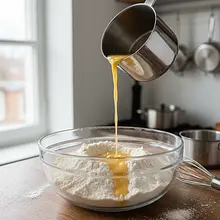
In a second, smaller bowl or jug, combine all the wet ingredients. Pour in warm water (about 38-40°C), add maple syrup, canola oil, and apple cider vinegar. Mix everything vigorously with a fork or a small whisk until the maple syrup is completely dissolved in the water and a uniform emulsion is formed.
Kneading the dough
Now we will combine the ingredients. Pour the entire mixture of wet ingredients into the bowl with the dry ingredients. Initially, mix with a large wooden spoon or spatula, just until the ingredients come together into a sticky mass. Then use a stand mixer with a dough hook attachment (or a hand mixer with hooks) and knead the dough on medium speed for 6-8 minutes. Gluten-free dough is different from wheat dough – it will be very sticky and more like a thick paste or batter than an elastic ball. That's normal!
After kneading the dough, add sunflower seeds, pumpkin seeds, and flaxseeds to the bowl. Turn on the mixer to the lowest setting and mix for about 30-40 seconds, just until the seeds are evenly distributed in the mixture. Do not mix for too long to avoid destroying the structure of the seeds.
Shaping and Rising
Prepare the baking pan. A standard loaf pan measuring about 25x12 cm is best. Grease it thoroughly with oil or butter, then line the bottom and sides with parchment paper, allowing the paper to extend above the edges of the pan. This will make it easier to remove the hot bread after baking.
Transfer the sticky dough to the prepared pan using a silicone spatula. Since the dough is very sticky, wet your hands or spatula with water and gently smooth the top of the dough, giving it a slightly rounded shape. The water will prevent the dough from sticking to your hands.
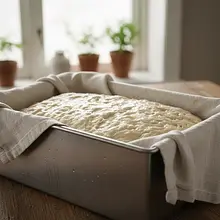
Cover the pan with a clean, damp kitchen towel or plastic wrap and set it in a warm, draft-free place for about 45-60 minutes. The dough should double in size and rise to the edges of the pan. An ideal spot is the oven with just the light on or a bowl with hot water at the bottom.
Baking Bread
At the end of the rising time, about 20 minutes beforehand, preheat the oven to 220°C (without convection) or 200°C (with convection). Place a small heatproof dish or tray at the bottom of the oven and pour a cup of boiling water into it. The steam will create a humid environment that will help achieve a perfectly crispy crust.
When the bread has risen, gently brush the top with water using a pastry brush. If you like, sprinkle it with nigella or the remaining seeds now. Place the bread pan in the preheated oven on the middle rack. Bake for the first 15 minutes at a higher temperature (220°C/200°C).
After 15 minutes, reduce the oven temperature to 200°C (without convection) or 180°C (with convection) and continue baking for another 30-35 minutes. The bread is ready when its top is deep golden-brown and the loaf slightly pulls away from the edges of the pan.
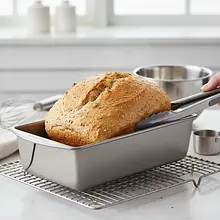
To ensure that the bread is fully baked, you can perform a test. Carefully remove the pan from the oven. Take the loaf out of the pan (using the protruding parchment paper for assistance) and tap the bottom. You should hear a dull, hollow sound. This is a sign that it is ready. If the sound is muffled, put the bread back in the oven (without the pan) for an additional 5-10 minutes.
Cooling the bread
This is the most important step! Immediately after taking it out of the oven, transfer the bread from the pan to a metal rack and leave it to cool completely. It must cool for at least 2-3 hours, and preferably even longer. During this time, the crumb structure stabilizes and the bread gains the right moisture.
Fun Fact
The husks of psyllium can absorb water up to 10 times their own weight! This remarkable property makes them a 'magic' ingredient in gluten-free baking, creating a gel-like structure that replaces the gluten network.
Best for
Tips
Gluten-free bread tastes best on the day it is baked. The next day, it's worth refreshing the slices in a toaster or on a dry skillet - they will become crispy and warm again. Serve with your favorite toppings: with avocado and salt, with hummus and vegetables, with cottage cheese, or simply with butter and homemade jam.
After completely cooling, store the bread wrapped in a clean linen or cotton cloth, and then in a bread box. Avoid storing in plastic bags, which cause the crust to become rubbery. The bread can also be sliced, layered with baking paper, and frozen. Individual slices can be thawed directly in the toaster.
📸 Ugotowane przez społeczność
Zaloguj się, aby dodać zdjęcieDodaj zdjęcie gotowej potrawy
Po zatwierdzeniu przez moderatora otrzymasz 10 punktów doświadczenia.
Nikt jeszcze nie dodał zdjęcia. Bądź pierwszy!
Comments (0)
Be the first to comment on this recipe!
Add a comment