Start by preparing the pudding, as it needs to cool completely. In a medium-sized pot, pour in 300 ml of milk. If you are using a vanilla bean, split it lengthwise, scrape out the seeds, and add them along with the empty pod to the milk. Bring the milk to a boil over medium heat and remove from the heat.
Description
Discover the recipe for absolutely heavenly, homemade mini doughnuts that melt in your mouth! These small, golden balls of happiness hide a heart of velvety, vanilla pudding made from scratch. The yeast dough, thanks to a special kneading technique and the addition of spirits, is incredibly fluffy, light, and does not absorb excessive fat during frying. The contrast between the delicate, elastic dough and the creamy, rich filling is a true feast for the palate. Perfect for Fat Thursday, children's parties, or as a sweet reward after a hard day. Served dusted with powdered sugar and a hint of real vanilla, they look incredibly appetizing and elegant. This recipe proves that the best sweets are those made with love at home.
Składniki (13)
- Wheat flour (type 450 or 500) 500 g
- Fresh yeast 25 g
- Milk 3.2% 650 ml
- Cukier drobny 120 g
- Żółtko jaja kurzego 5 szt.
- Masło 82% 70 g
- Rectified spirit or vinegar 1 łyżka
- Potato flour 30 g
- Vanilla extract 5 g
- Rapeseed oil for frying 1000 g
- Powdered sugar for dusting 100 g
- 🌿 Przyprawy
- Salt 0.1 szczypt
- ✨ Opcjonalne
- Skórka otarta z cytryny 5 g
💡 Kliknij na składnik aby oznaczyć jako użyty
Preparation steps
Pudding filling
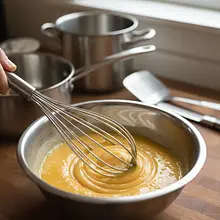
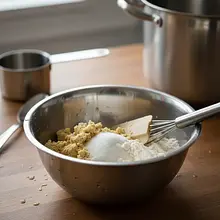
In a separate bowl, place 3 egg yolks and 60g of sugar. Using a whisk, beat vigorously for about 2-3 minutes until the mixture becomes light, fluffy, and almost white. Then add the potato starch and the remaining 100 ml of cold milk. Whisk until you achieve a smooth, uniform mixture without lumps.
Remove the vanilla bean from the hot milk. While continuously whisking the egg mixture, slowly pour in the hot milk in a thin stream. This process is called tempering and prevents the egg yolks from curdling. Once everything is combined, pour the mixture back into the pot.
Place the pot with the pudding mixture over low heat. Heat while vigorously stirring with a whisk along the bottom and sides of the pot until the pudding thickens and starts to bubble. Cook for about 1 more minute, continuing to stir. Remove from heat, add 20g of butter and vanilla extract. Stir until the butter is completely melted.
Pour the hot pudding into a clean bowl. Cover it with plastic wrap so that the wrap touches the surface of the pudding directly. This will prevent a hard skin from forming. Set aside to cool completely, first at room temperature, and then in the refrigerator.
Yeast dough
Prepare the yeast starter. In a small bowl, crumble 25g of fresh yeast. Add 1 tablespoon of sugar (about 15g), 2 tablespoons of flour (about 30g), and 100ml of warm (not hot!) milk. Mix thoroughly with a fork until you achieve a thick cream-like consistency. Cover with a cloth and set aside in a warm place for 10-15 minutes. The starter should double in volume and become frothy.
In a large bowl, sift the remaining flour. Add the rest of the sugar (45g) and 2 pinches of salt, and mix. Make a well in the center. Pour in the risen yeast mixture, add 2 egg yolks and the remaining 150 ml of warm milk. Optionally, you can add grated lemon zest now to enhance the aroma.
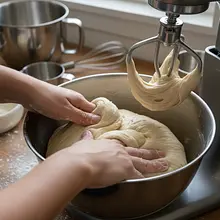
Start kneading the dough. You can do this by hand or with a mixer using dough hooks. At first, mix the ingredients with a wooden spoon, and when they start to come together, begin kneading. After about 5 minutes, when the dough is fairly uniform, start adding the melted and cooled 50g of butter gradually, and at the very end, add 1 tablespoon of spirit. Knead the dough for another 5-7 minutes.
Form a ball from the dough, place it in a bowl lightly dusted with flour, cover it with a clean kitchen towel, and set it in a warm, draft-free place for about 60-90 minutes. The dough should double in volume during this time.
Shaping and frying
When the dough has risen, punch it down to release the gas. Transfer it to a lightly floured work surface and knead briefly. Roll out the dough to a thickness of about 1.5 cm. Use a glass or a round cutter with a diameter of 4-5 cm to cut out circles.
Place the cut doughnuts on a board or countertop dusted with flour, leaving space between them. Cover them with a cloth and let them rise for the second time (called proofing) for about 20-30 minutes. The doughnuts should puff up slightly during this time and become very light.
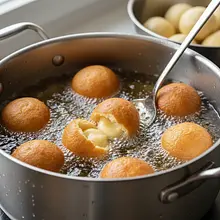
In a wide pot or deep skillet, heat the oil to a temperature of 175-180°C. If you don't have a thermometer, drop in a piece of dough - it should immediately float to the surface and start to brown surrounded by small bubbles. If it smokes, it's too hot, and if it sinks to the bottom, it's too cold.
Gently place the doughnuts into the hot oil, a few at a time. Fry for about 1.5-2 minutes on each side, until they achieve a beautiful golden color. They should have a characteristic light rim all around - this is a sign that the dough has risen well.
Remove the fried donuts with a slotted spoon and place them on a plate lined with paper towels to drain excess fat. Leave them to cool slightly.
Stuffing and decoration
Completely cooled pudding transfer to a pastry bag with a long, thin nozzle for filling. If the pudding is too thick, you can briefly blend it with a mixer to make it creamier.
Pierce each doughnut from the side with a piping tip and fill it with a portion of custard. You will feel the doughnut getting heavier. Be careful not to overfill and tear the doughnut.
Finally, generously dust the finished donuts with powdered sugar. You can use a small sieve for an even and delicate sprinkle. Serve immediately!
Fun Fact
In Poland, Fat Thursday is the day when, on average, every Pole eats 2.5 doughnuts. This tradition dates back to pagan times when people celebrated the departure of winter and the arrival of spring by eating rich foods.
Best for
Tips
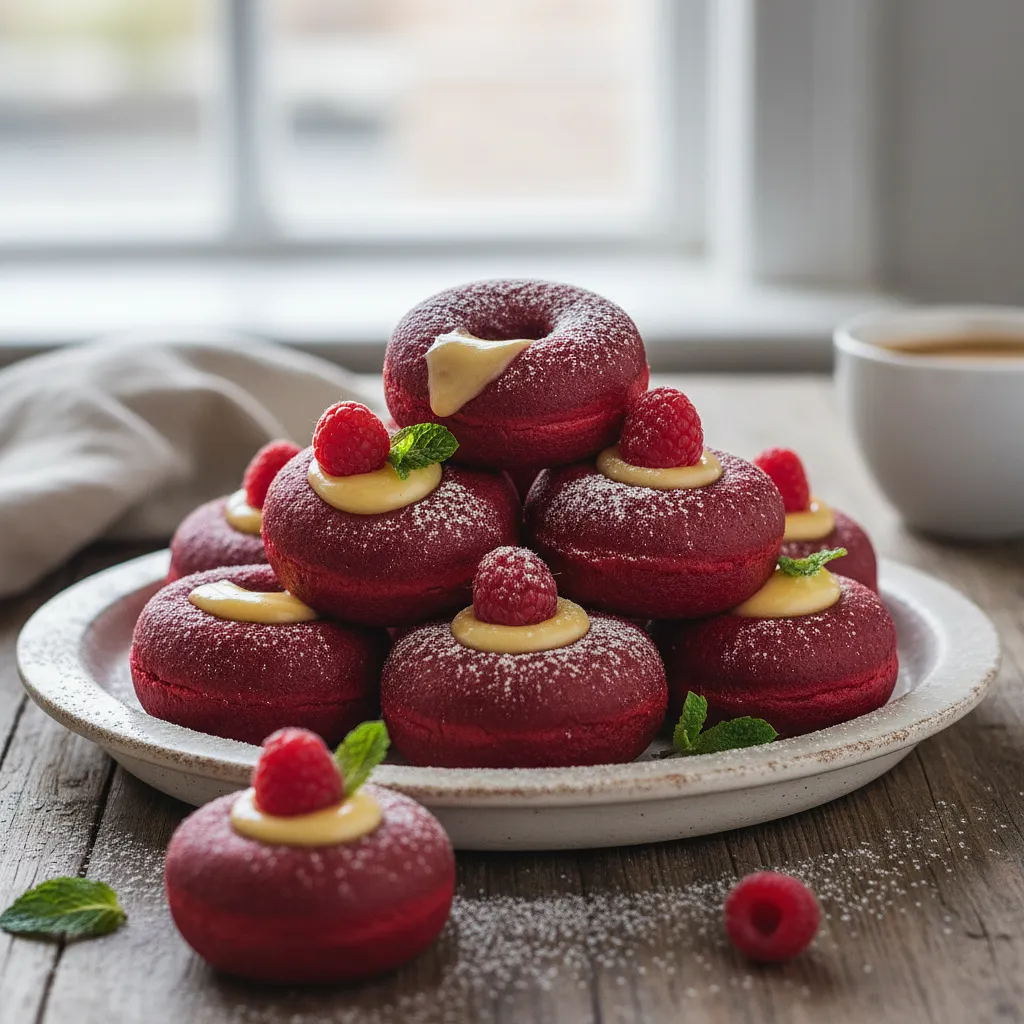
Mini doughnuts look best arranged on a large platter or board, creating an appetizing mound. They can be served with a cup of coffee, tea, or a glass of milk. For extra decoration, you can place a bowl with the remaining pudding for dipping next to them.
Yeast doughnuts are best on the day they are made. If there are any left for later, store them in an airtight container at room temperature for up to 24 hours. They are not suitable for reheating, as they will lose their fluffiness and may become chewy.
📸 Ugotowane przez społeczność
Zaloguj się, aby dodać zdjęcieDodaj zdjęcie gotowej potrawy
Po zatwierdzeniu przez moderatora otrzymasz 10 punktów doświadczenia.
Nikt jeszcze nie dodał zdjęcia. Bądź pierwszy!
Comments (0)
Be the first to comment on this recipe!
Add a comment