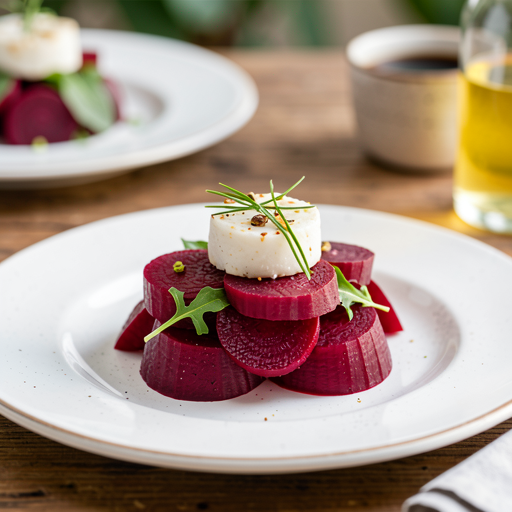
Classic beets with horseradish are a traditional addition to the Easter table — the contrast of the sweet, earthy beet with the sharp horseradish creates a bold yet pleasant flavor. The dish pairs wonderfully with eggs, white sausage, pâtés, and cold meats; on the plate, it stands out with its intense burgundy color and creamy texture. In this version, I suggest a gentle sweetness and a tangy touch of apple cider vinegar, as well as optional fresh apple and red onion, which will add crunch and freshness. The recipe includes detailed instructions for a beginner cook: how to boil or roast the beets, how to grate the horseradish without causing excessive eye irritation, how to balance the proportions of cream, sugar, and vinegar, and how to recognize the right degrees of flavor blending. I also provide alternatives — if fresh horseradish is unavailable, how to use jarred grated horseradish and how to reduce its intensity. The result is a versatile, aromatic addition suitable for Easter breakfast and family gatherings.
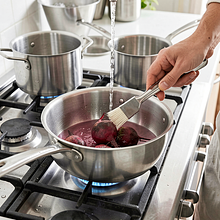
If you have raw beets: wash them thoroughly under running water with a brush, trim the roots and tails. For boiling: place the beets in a pot, cover with cold water so they are submerged by about 2 cm, add 1 teaspoon of salt and simmer for 40–50 minutes (check with a fork — the beet should pierce easily). For baking: wrap each beet individually in aluminum foil and bake in an oven preheated to 200°C for 60–75 minutes, until soft when pierced. If you are using pre-cooked beets from the store, skip this step.
Use a large pot with a lid or a baking tray; check for tenderness with a fork (easy piercing means it's ready). Boiling is less intense in flavor than baking, which enhances the sweetness of the beet.
2
After cooking or baking, remove the beets and set them aside to cool for 15–20 minutes. When they are warm (but not hot), peel the skin off with your fingers or a knife — the skin should come off easily. Cut the beets into smaller pieces, then grate them on a coarse grater or dice them into small cubes (about 5–7 mm) — the grating method affects the texture of the finished dish.
Use gloves or a cloth — beet juice stains hands. A hand grater will give a rustic texture; if you want a smooth consistency, use a food processor set to short pulses.
Preparation of horseradish
3
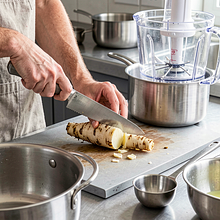
Clean the horseradish root — peel the skin thinly with a knife and wash it. Grate it on a fine grater or use a microplane, holding the root at an angle. Grate only as much horseradish as you need (the salad will be intense). If you are using jarred horseradish, drain the excess liquid and start with a smaller amount.
Ingredients:
horseradish
Use a fine grater or microplane; wearing protective gloves while handling horseradish will prevent irritation to your hands. To reduce tearing, keep your face away from the grater and work quickly.
Additions (optional)
4
If you are using onion: peel and chop into small cubes (about 3–4 mm). To soften the sharpness, soak the chopped onion in cold water for 10 minutes and drain. If you are using apple: wash, remove the core, and grate on a coarse grater; do not peel the skin if the apple is fresh and flawless.
Ingredients:
Onion, Apple
Use a sharp knife and a cutting board; keep the apple tart close to the bowl to avoid spilling juice. Additionally, you can add onion or apple for crunch and freshness.
Mixing
5
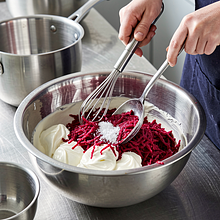
In a large bowl, place the grated/chopped beets. Add the grated horseradish, sour cream, sugar, and apple cider vinegar. Season with salt and pepper. Stir with a wooden spoon or silicone spatula for 1–2 minutes until the ingredients combine into a smooth, creamy mixture. Taste and if necessary, add more horseradish (spiciness), sugar (sweetness), or vinegar (acidity) — remember that the flavors will mellow after chilling.
Ingredients:
horseradish, Sour cream, Sugar, Apple cider vinegar, Salt, Black pepper, Onion, Apple
Use a large, wide bowl for easy mixing; add spices gradually and taste after each adjustment. If you are using jarred horseradish, start with half the amount and add more to taste.
Resting and seasoning
6
Cover the bowl with plastic wrap and place it in the refrigerator for at least 30 minutes (ideally 1–2 hours) to allow the flavors to meld. After chilling, taste again and adjust seasoning with salt, pepper, sugar, or vinegar if needed — the flavors will be more balanced after chilling.
Use the fridge and a flat container with a lid if you want to take the beets to the table; a short rest brings out the depth of flavors.
Serving
7
Transfer the beets to an attractive serving bowl. Before serving, you can garnish with a small amount of sour cream in the center or place a teaspoon of extra horseradish beside it, so guests can season to their liking. Serve chilled as a side dish to eggs, meats, and cold cuts on the Easter table.
Ingredients:
Sour cream, horseradish
Serve in a medium-sized bowl with a capacity of about 1–1.5 l; additionally, you can provide a small bowl of horseradish for guests.
Fun Fact
💡
Beets with horseradish are a traditional element of the Easter table in many regions of Poland — the spiciness of horseradish symbolizes 'awakening' and the vitality of spring, while the contrast with the beetroot highlights the balance of flavors.
Serve the beets chilled. Use a light-colored serving bowl — the intense color of the beets contrasts nicely with the white sour cream and toppings. Next to it, place a separate bowl with extra horseradish for those who enjoy a stronger flavor.
🥡Storage
Store in a sealed container in the refrigerator for 3–4 days. After a longer period, the flavor of the horseradish may weaken. To refresh, add a bit of fresh cream or a teaspoon of vinegar before serving. Do not freeze — the texture of the beet and cream will change after thawing.
Easter is one of the most important holidays in the Christian calendar, celebrated in spring, commemorating the resurrection of Jesus. It is a time of joy, hope, and communal celebration with family around a bountiful table. The culinary traditions associated with Easter are incredibly rich and d...
Comments (0)
Be the first to comment on this recipe!
Add a comment