
Menu

Cinnamon Rolls with Cardamom and Vanilla Cream Cheese

Cakes and Bakes Desserts Breakfasts 180 min Medium 4 wyświetleń ~31.32 PLN - (0)
Rate:
(0)

Description

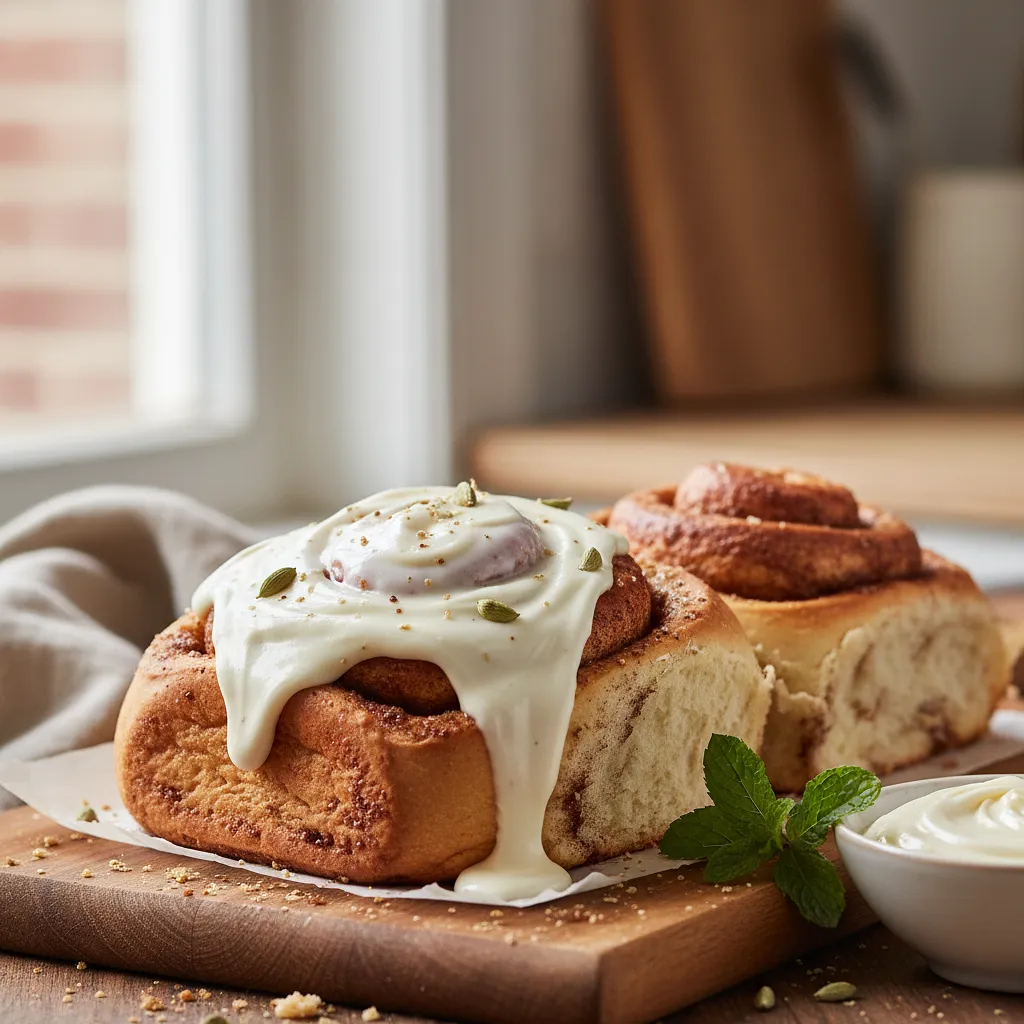
Here’s a recipe that will change your perception of homemade baked goods. Cinnamon rolls with cardamom and vanilla cream cheese are not just ordinary yeast pastries. They are a poetry of flavor, aroma, and texture. Imagine fluffy, buttery yeast dough that, once baked, is so soft it melts in your mouth. Inside, there is a rich, aromatic filling made of brown sugar, cinnamon, and a pinch of exotic cardamom that adds an extraordinary depth to the whole. On top, there is a velvety, creamy frosting made from cream cheese, balanced by the sweetness of powdered sugar and the scent of real vanilla. These cinnamon rolls are the perfect companion for morning coffee, a luxurious dessert for afternoon tea, or a treat that will delight your guests. Their preparation is a true ritual, and the aroma wafting through the house while baking is the best promise of the feast to come.

Składniki (14)

Servings:
8
  • Wheat flour type 500 500 g
  • Milk 3.2% 250 ml
  • Fresh yeast 25 g
  • White sugar 80 g
  • Egg 2 szt.
  • Masło 82% 230 g
  • Muscovado brown sugar 150 g
  • Serek śmietankowy typu philadelphia 200 g
  • Powdered sugar 100 g
  • Vanilla extract 1 łyżeczka
  • 🌿 Przyprawy
  • Salt 0.1 szczypt
  • Ground cinnamon 15 g
  • Ground cardamom 4 g
  • ✨ Opcjonalne
  • Almond flakes 30 g
💰 Szacowany koszt dania: ~31.32 PLN (3.92 PLN/porcję)

💡 Kliknij na składnik aby oznaczyć jako użyty

Preparation steps

Yeast dough

1

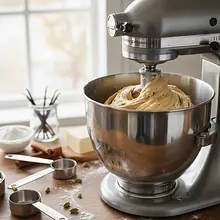
Start by preparing the yeast starter. In a small saucepan, heat 250 ml of milk. It should be slightly warm, like bath water for a baby (about 37°C). Check the temperature by dropping a little on the inside of your wrist - it should not feel hot. In a large bowl or mixing bowl, crumble 25 g of fresh yeast. Add one tablespoon of sugar (from the 80 g), pour in the warm milk, and mix with a fork until the yeast is completely dissolved. Set the bowl in a warm, draft-free place for 10-15 minutes. After this time, a thick, beige foam should appear on the surface. This is a sign that the yeast is active and ready to work.

Ingredients: Milk 3.2%, Fresh yeast, White sugar
This is a crucial step! If the foam does not appear, the yeast is inactive and the dough will not rise. You need to start over with fresh yeast. Milk that is too hot will kill the yeast, and milk that is too cold will not activate it.
2

In the bowl with the active starter, add the remaining sugar (70 g), 2 eggs (previously beaten with a fork in a small bowl), and the sifted flour (500 g) along with two pinches of salt. Sifting the flour will aerate it and make the dough lighter.

Ingredients: White sugar, Egg, Wheat flour type 500, Salt
Use a large bowl to have enough space for kneading and rising the dough. It's a good idea to take the eggs out of the fridge 30 minutes before using them so they reach room temperature.
3

Start kneading the dough. If you are using a stand mixer, attach the dough hook and knead on low speed for about 5 minutes, until the ingredients are combined. Then increase the speed to medium and knead for another 5-7 minutes. If you are kneading by hand, initially mix the ingredients with a wooden spoon, and when they start to come together, transfer the dough to a floured surface and knead vigorously for about 15 minutes. The dough will be sticky at first, but as you knead, it will become smooth and elastic.

The properly kneaded dough should be smooth, elastic, and pull away from the sides of the bowl (or your hands). Do not add too much flour while kneading, as the dough will become tough. Patience is key!
4

Prepare 80 g of butter - it should be very soft but not melted. Add it to the kneaded dough in batches, one tablespoon at a time, while continuously mixing or kneading. Wait until each portion of butter is fully incorporated into the dough before adding the next. Once all the butter has been absorbed, knead for another 2-3 minutes. The dough will become silky and very pliable.

Ingredients: Masło 82%
Adding butter at the end of the kneading process makes the dough exceptionally soft and buttery. This is a technique used when baking brioche. Make sure the butter is at room temperature.
5

Form a smooth ball from the dough. Grease the bottom of a large, clean bowl with a little oil. Place the ball of dough in it and turn it so that it is coated with a thin layer of fat (this will prevent it from drying out). Cover the bowl tightly with plastic wrap or a clean kitchen towel and set it in a warm place for about 1-1.5 hours, or until the dough has doubled in size.

The ideal place for rising is a slightly warmed oven (turned off, with the light on) or a spot near a radiator. Avoid drafts.

Shaping and Filling

6

While the dough is rising, prepare the filling. In a medium bowl, place 100 g of very soft butter, 150 g of Muscovado brown sugar, 3 tablespoons of cinnamon, and 2 teaspoons of cardamom. Using a fork or spatula, mash all the ingredients into a smooth, uniform paste. It should have the consistency of thick cream.

Ingredients: Masło 82%, Muscovado brown sugar, Ground cinnamon, Ground cardamom
If the butter is too hard, you can warm it up in the microwave for a moment (literally 5-10 seconds). Muscovado sugar tends to clump, so make sure you break it up well.
7

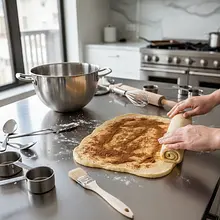
Remove the risen dough onto a lightly floured surface. Gently punch it with your fist to deflate it, then knead briefly. Using a rolling pin, roll out the dough into a large rectangle measuring about 40 cm x 50 cm and about 0.5 cm thick. Try to keep the edges even.

Roll the dough from the center outwards, turning it occasionally to achieve an even thickness. If the dough shrinks, let it rest for 5 minutes and try again.
8

Spread the prepared filling evenly over the rolled-out dough. Use a spatula or the back of a spoon for this. Cover the entire surface of the dough, leaving only a 1-2 cm free margin along one of the longer sides. This margin will help seal the roll at the end.

Try to spread the filling as evenly as possible. A thicker layer in one spot may cause the roll to separate during baking.
9

Start rolling the dough into a tight log, beginning from the longer side that is fully covered with filling. Roll slowly and carefully, ensuring that the log is compact along its entire length. At the end, brush the free edge with a little water and press it against the log to seal it well. Place the log seam side down.

Tight rolling is important for the cinnamon rolls to have a nice, spiral shape and not fall apart after baking. You can gently trim the ends of the roll by cutting off any uneven pieces.
10

Cut the roll into 12 equal pieces, each about 3-4 cm thick. To achieve perfectly even and uncrushed pieces, use a very sharp knife or... dental floss! Slide the floss under the roll, cross the ends at the top, and pull tight. Prepare a baking dish (e.g., a 26 cm diameter springform pan or a rectangular dish about 20x30 cm) and grease it with butter or line it with baking paper.

The method with dental floss (unscented!) is brilliant - it allows for a clean cut without crushing the delicate layers of the cake. I recommend giving it a try!
11

Arrange the sliced cinnamon rolls in the prepared dish, spiral side up. Leave small gaps between them (about 1-2 cm), as they will rise further. Cover the dish with a cloth and set it in a warm place for the second rise, for about 30-45 minutes. The rolls should noticeably puff up and fill the pan, touching each other.

The second rise is key for the final fluffiness of the cinnamon rolls. Don't skip this step! During this time, you can start preheating the oven.

Baking and Icing

12

Preheat the oven to 180°C (fan) or 190°C (top-bottom). Place the risen cinnamon rolls in the preheated oven and bake for 25-30 minutes. The finished rolls should be beautifully risen and golden-brown on top. After baking, remove them from the oven and let them cool on a rack for about 15-20 minutes.

Every oven bakes differently, so keep an eye on the cinnamon rolls towards the end of baking. If they brown too quickly, you can cover them with aluminum foil.
13

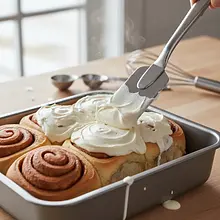
While the cinnamon rolls are cooling, prepare the frosting. In a bowl, place 200 g of cream cheese and 50 g of softened butter (both ingredients must be at room temperature!). Using a hand mixer, beat them into a smooth, fluffy mixture. Then, gradually add 100 g of sifted powdered sugar, one tablespoon at a time, while mixing continuously. Finally, add a teaspoon of vanilla extract and mix for a moment longer until combined.

Ingredients: Serek śmietankowy typu philadelphia, Masło 82%, Powdered sugar, Vanilla extract
Ingredients at room temperature are key for a smooth and lump-free glaze. If the cheese or butter is cold, the glaze may curdle.
14

Spread the prepared glaze generously over the still warm (but not hot!) cinnamon rolls. The warmth of the rolls will cause the glaze to slightly melt and flow into the crevices, creating appetizing streams. If you like, you can sprinkle the top with toasted almond flakes for added crunch. Serve immediately, savoring every bite.

Ingredients: Almond flakes
Applying the frosting to warm rolls is the secret to perfect cinnamon rolls. Don't wait for them to cool completely! They taste best on the day they are baked.

Fun Fact

💡

Cinnamon rolls, known in Sweden as 'kanelbullar', are so popular there that they have their own holiday! Cinnamon Roll Day (Kanelbullens dag) is celebrated on October 4th each year. It is a national symbol of the Swedish tradition of 'fika', which is a break for coffee and something sweet.

Best for

Tips

🍽️ Serving

Cinnamon rolls taste best warm, fresh out of the oven and glazed. Serve them with a cup of hot coffee, tea, or a glass of cold milk. If you want to serve them to guests, you can place each roll on a separate plate and decorate with fresh fruits, such as raspberries, which will perfectly balance the sweetness.

🥡 Storage

Store the cinnamon rolls in an airtight container at room temperature for up to 2 days. If you want to keep them fresh longer, store them in the refrigerator for up to 4 days. Before serving, it's best to heat them for 10-15 seconds in the microwave to make them soft and fragrant again. They can also be frozen (without icing) - after thawing, just heat them in the oven and glaze.

📸 Ugotowane przez społeczność

Zaloguj się, aby dodać zdjęcie
Dodaj zdjęcie gotowej potrawy

Po zatwierdzeniu przez moderatora otrzymasz 10 punktów doświadczenia.

🍲

Nikt jeszcze nie dodał zdjęcia. Bądź pierwszy!

Comments (0)

Be the first to comment on this recipe!

Add a comment

You might also like

Recipe Categories

Homemade cakes and pastries are the heart of Polish culinary tradition - sweet memories from childhood. In our collection, you will find recipes for classic yeast cakes, shortcrust, sponge, and cheesecake. Apple pie, poppy seed cake, gingerbread, Easter babka, chocolate cake, and New York cheesec...

See all recipes in this category
Desserts
Desserts in: New Year's Eve

A sweet ending to the New Year's Eve dinner is a must-have that will put everyone in a joyful mood for the new year.

See all recipes in this category

Breakfast is the most important meal of the day - energy for a good start and a tasty morning. Scrambled eggs, fried eggs, poached eggs, and omelets - protein classics. Oatmeal with fruits, nuts, and honey - a healthy and filling fit breakfast. American pancakes and French crepes - a sweet start ...

See all recipes in this category
Reklama