Weigh and prepare all the ingredients (mise-en-place). Take the carp fillets out of the fridge 15–20 minutes before cooking to bring them to room temperature. Peel the celery and potatoes, and cut them into even pieces (about 2–3 cm cubes) — this will ensure they cook evenly. Peel the onion and slice it into thin half-rings. Wash the sage and gently dry it.
Description
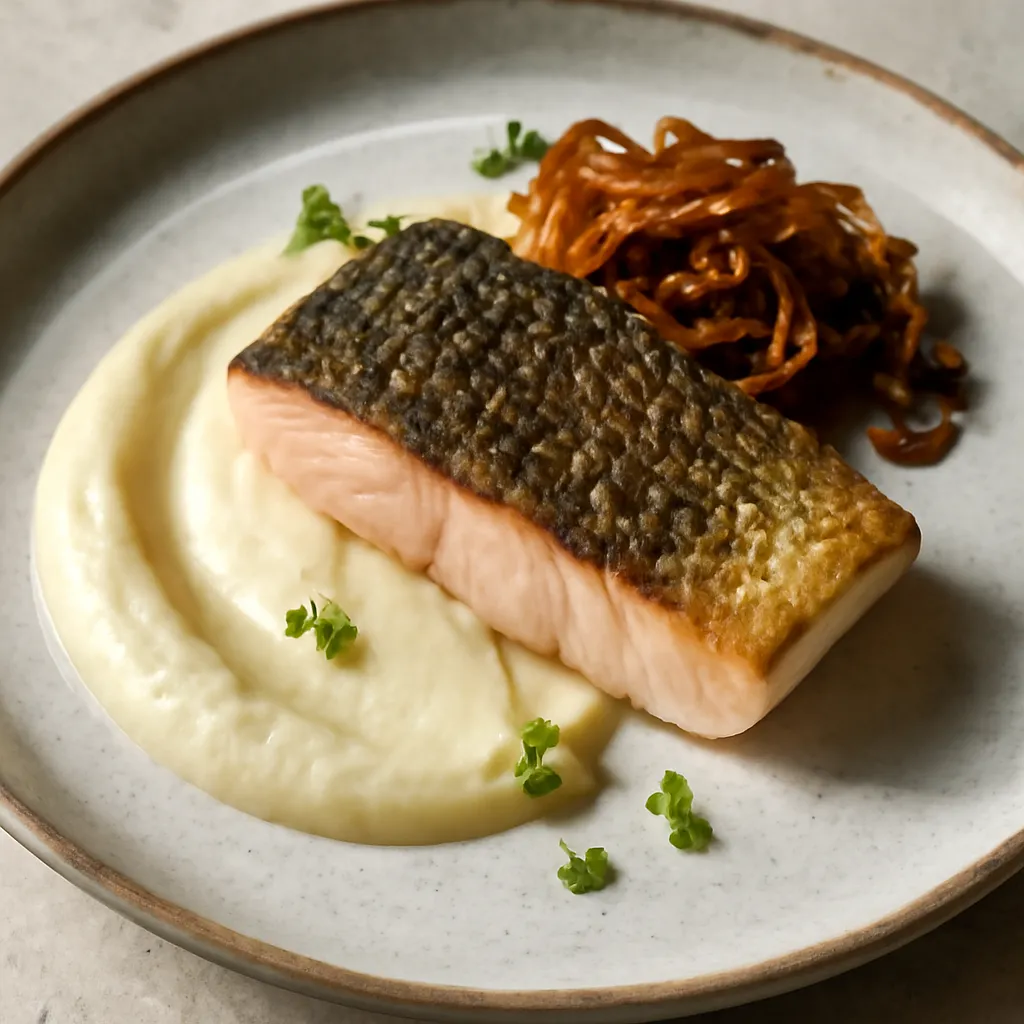
This is a classic carp in a festive interpretation that combines tradition with modern cooking techniques. The carp fillets are gently prepared using the sous-vide method (with an alternative baking option for kitchens without the device), and then briefly seared to achieve a crispy skin. Served with a velvety celery and potato puree and sweet caramelized onions, drizzled with sage butter, lemon, and capers — the dish is elegant, aromatic, and light on the palate. Perfect for the Christmas Eve table as a stunning main course: it combines familiar flavors (fish, onion, butter) with textures (crispy skin, creamy puree, sticky onions). Appearance: modern, minimalist presentation on a white plate with contrasting colors (golden fish skin, creamy puree, dark caramelized onions).
Składniki (15)
- Carp fillet 800 g
- Celeriac 600 g
- Potatoes 2.7 szt.
- Butter 50 g
- Milk 100 ml
- Rapeseed oil 30 g
- Onion 1 szt.
- sugar 20 g
- Wheat flour 60 g
- Lemon juice 30 ml
- Fresh sage 1 pęczek
- 🌿 Przyprawy
- Salt 8 g
- Black pepper 4 szczypty
- ✨ Opcjonalne
- Capers 30 g
- Dry white wine 100 ml
💡 Kliknij na składnik aby oznaczyć jako użyty
Preparation steps
Preparation and mise-en-place
Preparing the fillets
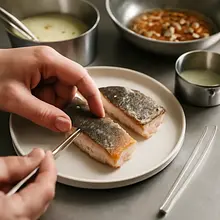
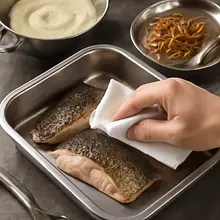
Check the fillets for bones by running your finger along the meat; if you feel any bones, remove them with tweezers. Pat the fillets dry with a paper towel. Lightly score the skin with a knife (without cutting through) in several places — this will prevent it from curling during frying. Salt evenly on both sides (use about 4 g of salt per 200 g of fillet), add freshly ground pepper (evenly). Gently coat in flour — sprinkle flour on a plate, place the fillet on it, shake, and tap off the excess.
Sous-vide cooking (or oven alternative)
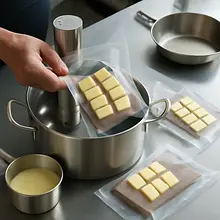
Option A (sous-vide): Place each fillet in a separate vacuum bag with 1–2 slices of butter and a few sage leaves. Seal vacuum tightly. Set the sous-vide to 52°C and cook the fillets for 30–40 minutes (30 minutes for thinner fillets ~1.5 cm, 40 minutes for thicker ones). Once done, remove the bags from the water. Option B (without sous-vide): Preheat the oven to 180°C (top and bottom heat). Arrange the fillets in a baking dish skin side up, place 5 g of butter on each fillet, and bake for 12–15 minutes until the meat is juicy and starts to gently flake with a fork.
Crispy crust (searing)
After cooking sous-vide (or baking), remove the fillets and gently pat them dry with a paper towel — the key to crispy skin is maximum surface dryness. Heat a pan (preferably heavy, 26–28 cm) over medium-high heat, add 1 tablespoon of oil, and wait until it is hot (the surface should shimmer slightly). Place the fillets skin-side down and hold them with a spoon or spatula to ensure the skin makes even contact with the pan. Fry for 1–2 minutes until the skin becomes golden and crispy. Briefly flip (15–20 seconds) the meat side just to finish cooking any edges.
Celeriac puree
Pour cold water into a pot, add 8 g of salt and place the chopped celery and potatoes inside. Bring to a boil over high heat, then reduce the heat and cook for 18–22 minutes, until the vegetables are tender (check with a fork — it should go in easily). Drain thoroughly and let steam for 1–2 minutes. Pass through a potato ricer or blend with an immersion blender until smooth. Add 30 g of butter and gradually pour in 100 ml of warm milk, stirring until you achieve a smooth, creamy consistency. Season with salt and pepper to taste (taste and add in small amounts).
Caramelized onion
Heat a small skillet over medium heat, add 15 g of butter and 1 tablespoon of oil. Add the thinly sliced onion, sprinkle with a little salt (about 1 g), stir, and sauté over medium-low heat for 15–20 minutes, stirring every 2–3 minutes. When the onion starts to turn golden, add 20 g of sugar, stir, and continue caramelizing for another 3–5 minutes until you achieve a dark golden, slightly sticky color. Remove from heat.
Sage and lemon sauce with capers
In a small skillet, melt 15 g of butter over medium heat, add chopped sage leaves (set aside a few larger leaves for garnish) and sauté for 30–60 seconds until the leaves sizzle slightly and the butter takes on a golden-brown aroma (be careful not to burn it). Optionally add 100 ml of white wine, increase the heat, and reduce for 1–2 minutes until the alcohol evaporates. Add 30 ml of lemon juice and (optionally) 30 g of capers rinsed of excess salt, mix and turn off the heat. If the sauce is too thin, add 5–10 g of cold butter and stir vigorously to emulsify the sauce.
Finishing and assembling the plate
Warm the plates. On each plate, place 1 serving of puree (about 200 g) — use a spoon to create an elongated 'stripe' or a smooth mound. Gently place the fillet skin-side up on the puree so that the crispy skin is visible. Spread 2–3 tablespoons of caramelized onions over the fish, then drizzle with a spoonful of warm sage-lemon sauce. Garnish with a few lightly fried sage leaves or optionally capers and microgreens (if you have them). Serve immediately — the fish is best hot with a crispy skin.
Alternatives and final tips
If you don't want to use butter (vegan diet), replace the butter in the puree with 40 g of heated oil and use plant-based milk. If you are not using capers, add more lemon juice or some finely chopped gherkins for acidity. If you have more guests, you can prepare the puree and caramelized onions in advance (max 24 hours earlier) — store them separately in the fridge and reheat before serving.
Fun Fact
Carp is a traditional Christmas dish in many Polish homes since the 19th century — in the past, live carp were kept in the bathtub for a few days before Christmas Eve. Modern techniques like sous-vide allow for retaining the fish's moisture and delicate texture without the risk of overcooking.
Best for
Tips
Serve hot, immediately after assembling the plate. A light, tangy beet salad or pickled cucumber pairs well with the dish, along with a glass of chilled, dry white wine (e.g., riesling or sauvignon blanc). Serve smaller portions as one of the dishes in a holiday menu.
Puree and caramelized onions can be stored in the refrigerator for up to 24 hours in an airtight container. The sage butter sauce is best prepared just before serving; if you need to store it, keep it in the fridge for up to 24 hours and gently reheat over low heat (do not let it boil). Cooked fish can be stored for a maximum of 24 hours, but keep in mind that the crispiness of the skin will disappear after cooling. To reheat the fish: briefly in a pan with a little fat, 1–2 minutes on each side, to avoid drying it out.
📸 Ugotowane przez społeczność
Zaloguj się, aby dodać zdjęcieDodaj zdjęcie gotowej potrawy
Po zatwierdzeniu przez moderatora otrzymasz 10 punktów doświadczenia.
Nikt jeszcze nie dodał zdjęcia. Bądź pierwszy!
Comments (0)
Be the first to comment on this recipe!
Add a comment