Menu

Zander Zatorski in creamy sauce with boletus mushrooms

Rate:
(0)

Description

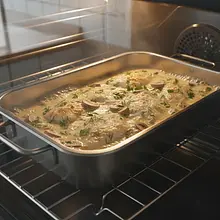
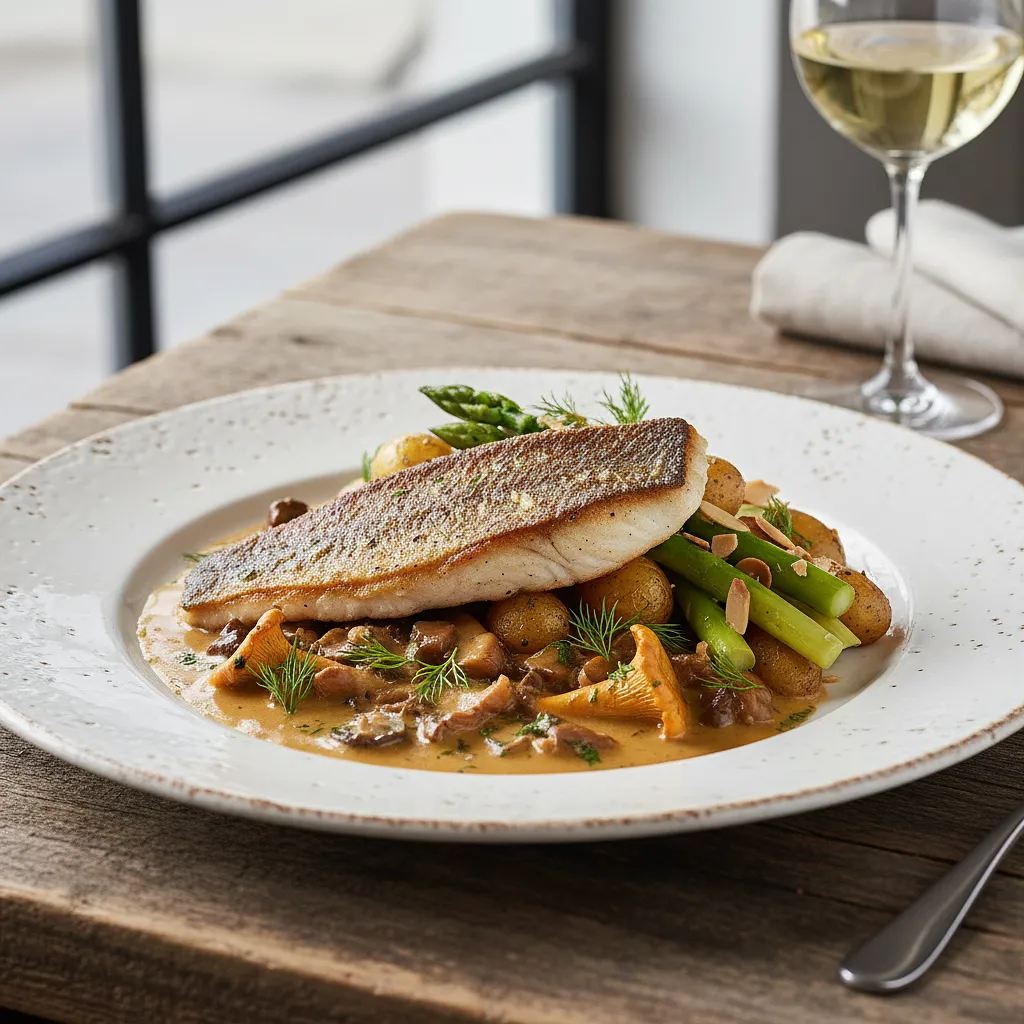
Zander Zatorski is the quintessence of Polish regional cuisine, originating from Małopolska, specifically from the area around Zator, known for its centuries-old tradition of fish farming. This dish is an elegant and incredibly tasty option for the Christmas Eve table, serving as a perfect alternative to traditional carp. It is characterized by extraordinary tenderness – the flesh of the zander is white, lean, and almost bone-free, making it a favorite among many gourmets. In this recipe, the fish fillets are baked in a velvety, creamy sauce based on forest mushrooms (boletes), which give the dish a deep, earthy aroma. The overall flavor is subtle yet pronounced. Visually, the dish looks very appetizing: golden pieces of fish enveloped in a light sauce with dark pieces of mushrooms, garnished with fresh dill. It pairs perfectly with potato purée, pearl barley, or delicate Silesian dumplings, creating a complete and satisfying main course for special occasions.

Składniki (11)

Servings:
4
  • Pikeperch fillet 600 g
  • Frozen bay boletes 300 g
  • Onion 1.3 szt.
  • 30% cream 250 ml
  • Vegetable broth 150 ml
  • Masło klarowane 2 łyżki
  • Wheat flour type 500 30 g
  • Lemon juice 15 ml
  • 🌿 Przyprawy
  • Salt 0.1 szczypt
  • Pieprz biały mielony 2 szczypty
  • ✨ Opcjonalne
  • Fresh dill 0.5 pęczek
💰 Szacowany koszt dania: ~61.69 PLN (15.42 PLN/porcję)

💡 Kliknij na składnik aby oznaczyć jako użyty

Preparation steps

Preparing the fish

1

Start by preparing the pikeperch fillets. If they were frozen, make sure they are completely thawed. Place them on a cutting board and dry them thoroughly on all sides with paper towels. This is a key step that will ensure the fish browns nicely instead of steaming.

Ingredients: Pikeperch fillet
Use a few paper towel sheets to ensure the surface of the fish is dry to the touch. The drier the fish, the better the final result. Don't skip this step!

2

Cut the large fillet into smaller, portion-sized pieces if necessary. Then, evenly drizzle each piece of fish with freshly squeezed lemon juice, and sprinkle salt and freshly ground white pepper on both sides. Gently rub the spices into the meat.

Ingredients: Pikeperch fillet, Lemon juice, Salt, Pieprz biały mielony
White pepper is ideal for fish because it has a subtler flavor than black pepper and doesn't leave dark specks in a light sauce. Season sparingly, the flavor of the sauce will be intense.
3

Pour the wheat flour onto a flat plate. Take one piece of seasoned fish and coat it in the flour, creating a thin, even layer. After coating, shake off the excess flour by gently tapping the fillet against the edge of the plate. Set the dusted fillets aside.

Ingredients: Wheat flour type 500
The layer of flour should be very thin, almost transparent. A too thick coating will absorb too much fat and make the sauce too thick and sticky.

Preparation of mushroom sauce

4

Peel the onion and chop it into very small cubes. In a large skillet (preferably about 28 cm in diameter), heat the clarified butter over medium heat. When the butter is hot, add the chopped onion and sauté, stirring occasionally, for about 5-7 minutes, until it becomes soft and translucent, but not browned.

Ingredients: Onion, Masło klarowane
Use a wooden spoon or silicone spatula to stir. Be careful not to burn the onion, as it will give a bitter taste to the entire dish. If necessary, reduce the heat.
5

Add the frozen boletus mushrooms to the sautéed onions (you don't need to thaw them beforehand). Increase the heat slightly and fry everything together, stirring, for about 10-12 minutes. Initially, the mushrooms will release a lot of water – cook them until all the water evaporates and the mushrooms start to brown slightly and smell intensely of the forest.

Ingredients: Frozen bay boletes
If you are using dried mushrooms, soak them in hot water for about 30 minutes, then drain and chop. You can keep the soaking water and add it to the sauce instead of some of the broth for a deeper flavor.
6

Once the mushrooms are sautéed, pour hot vegetable broth into the pan. Use a wooden spoon to scrape up all the tasty, browned bits from the bottom of the pan. Bring everything to a boil and cook over medium heat for about 5 minutes to allow the flavors to meld and the liquid to slightly reduce (evaporate).

Ingredients: Vegetable broth
Using hot broth prevents thermal shock and maintains a constant temperature in the pan. This process is called deglazing and is the secret to building depth of flavor in sauces.
7

Now the key moment – adding the cream. Reduce the heat under the pan to the minimum. Pour 30% cream into a bowl. Temper it by gradually adding 3-4 tablespoons of the hot sauce from the pan, one tablespoon at a time, stirring vigorously each time. When the cream in the bowl is warm, pour all of it into the pan, continuing to stir.

Ingredients: 30% cream
Tempering the cream is absolutely necessary to prevent it from curdling (forming lumps) when it comes into contact with hot liquid. Never pour cold cream directly onto a hot pan!
8

Gently heat the sauce over low heat for 2-3 minutes until it thickens slightly. Do not bring it to a vigorous boil. Season the sauce to taste with salt and white pepper. The sauce should be creamy and velvety.

Ingredients: Salt, Pieprz biały mielony
The sauce will thicken a bit more during baking, so don't worry if it seems a little too runny at this stage. Taste the sauce and season it to your liking.

Baking and serving

9

Preheat the oven to 180°C (top and bottom heat, no fan). Prepare a baking dish that can fit all the fillets in a single layer. Pour about 1/3 of the prepared mushroom sauce into the bottom of the dish, creating a 'bed' for the fish.

A ceramic or glass baking dish will be ideal. Evenly spreading the sauce on the bottom will prevent the fish from sticking.
10

On the layer of sauce in the dish, place the floured fillets of zander, one next to the other. Then pour the remaining hot mushroom sauce over the fish, making sure that each piece is well covered.

Ingredients: Pikeperch fillet
Make sure the fillets are laid out in a single layer, not stacked on top of each other. This ensures even cooking of each piece of fish.
11

Place the dish in the preheated oven and bake for 20-25 minutes. The baking time depends on the thickness of the fillets. The fish is ready when its flesh turns white and opaque, and a fork inserted into the thickest part easily separates the flakes of meat.

Do not bake the fish for too long, as it will become dry and tough. After 20 minutes, check the doneness. Remember that the fish continues to cook for a while after being taken out of the oven.
12

Remove the dish from the oven and let it rest for 2-3 minutes. Just before serving, generously sprinkle with chopped fresh dill. Serve immediately, hot, with your favorite sides.

Ingredients: Fresh dill
Additionally, if you want, you can use chopped parsley. Fresh herbs added at the end enhance the aroma and add freshness to the dish. Serve portions on plates using a wide spatula to avoid damaging the delicate fillets.

Fun Fact

💡

The Zator region, known as the 'Carp Valley', has a tradition of fish farming dating back to the times of Bolesław Krzywousty in the 12th century. Although it is mainly famous for carp, it was the zander, as a more noble and demanding fish, that was often served at royal and noble tables.

Best for

Tips

🍽️ Serving

Serve hot, directly after taking it out of the oven. Place a portion of fish with sauce on a plate next to a scoop of mashed potatoes or a serving of pearl barley. The dish also pairs perfectly with delicate Silesian dumplings or gnocchi. Each portion can be additionally garnished with a sprig of fresh dill and a slice of lemon for drizzling.

🥡 Storage

Store in the refrigerator in an airtight container for up to 2 days. To reheat, place the dish in an oven preheated to 150°C and heat for 10-15 minutes, preferably covered with aluminum foil to prevent the fish from drying out. Reheating in the microwave is not recommended, as the delicate flesh of the zander may become rubbery.

📸 Ugotowane przez społeczność

Zaloguj się, aby dodać zdjęcie
Dodaj zdjęcie gotowej potrawy

Po zatwierdzeniu przez moderatora otrzymasz 10 punktów doświadczenia.

🍲

Nikt jeszcze nie dodał zdjęcia. Bądź pierwszy!

Comments (0)

Be the first to comment on this recipe!

Add a comment

You might also like

Recipe Categories

Regional cuisine for Christmas Eve features local traditions from various corners of Poland. Christmas Eve pierogi ruskie from Podkarpacie - with potatoes, cheese, and onions. Carp in Kashubian style - in horseradish sauce with raisins and almonds. Silesian żurek on sourdough - with mushrooms ins...

See all recipes in this category

Fish dishes are healthy and easily digestible meals rich in omega-3 fatty acids and high-quality protein. Recipes for salmon: baked, grilled, smoked, and in cream sauce. Cod, pollock, zander, and trout - freshwater and saltwater fish in various versions. Seafood: shrimp, mussels, squid, and scall...

See all recipes in this category

Christmas Eve dishes are the heart of Polish holiday tradition - 12 meatless dishes on the table. Fried, baked, jellied, and Jewish-style carp - the main star of Christmas Eve. Dumplings with cabbage and mushrooms - handmade according to grandma's recipes. Small mushroom-filled pockets for borsch...

See all recipes in this category

Dishes for special occasions are culinary masterpieces for birthdays, anniversaries, and holidays. Grilled beef steak with herb butter - restaurant quality at home. Beef Wellington - beef in puff pastry with duxelles. Roast duck with apples - a holiday tradition in a new edition. Pink salmon with...

See all recipes in this category
Reklama