Peanuts
Description
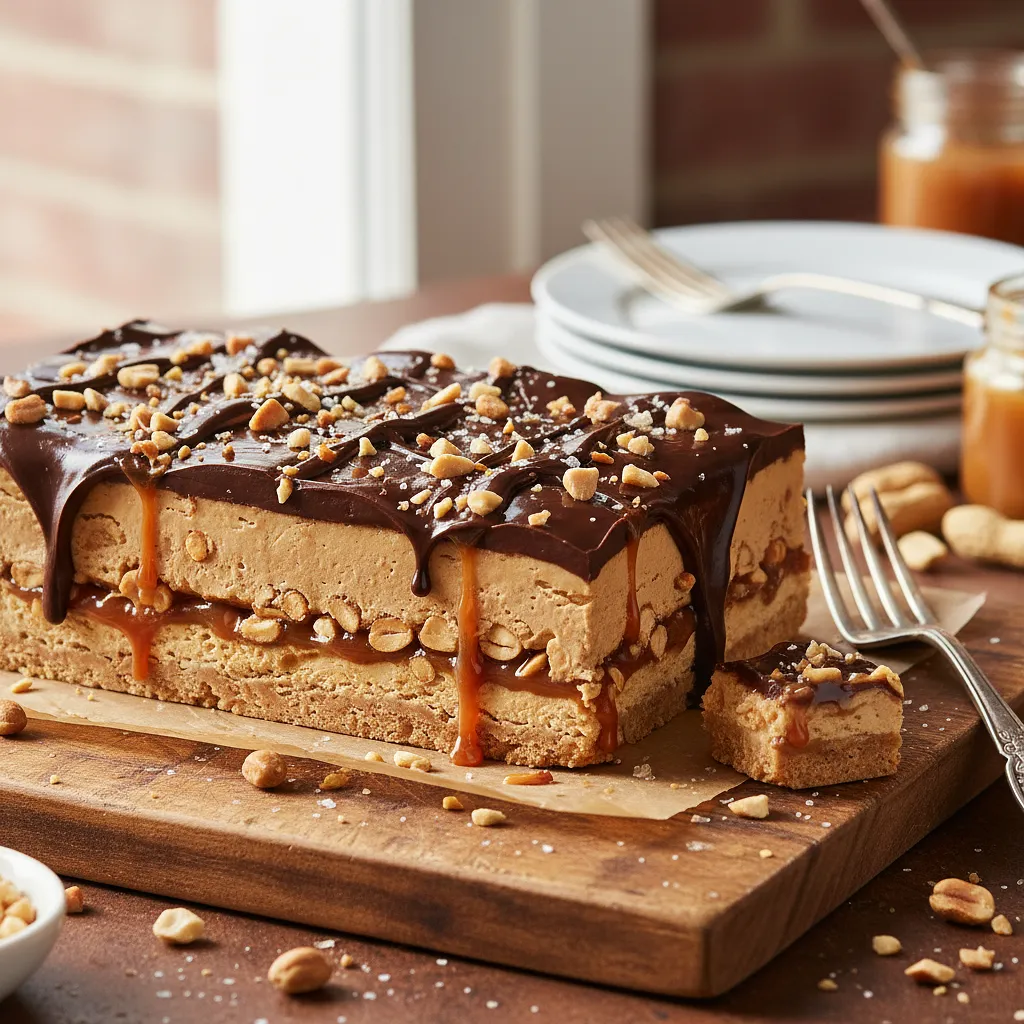
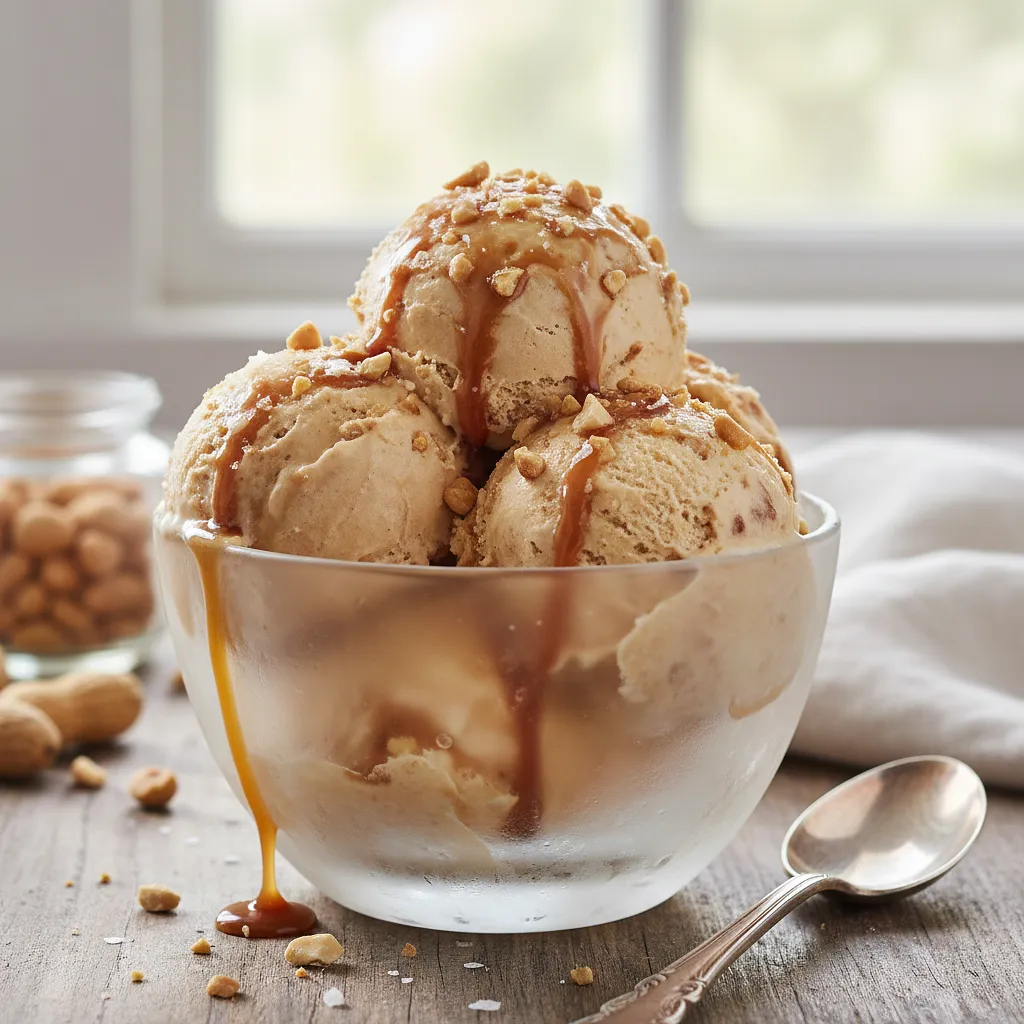
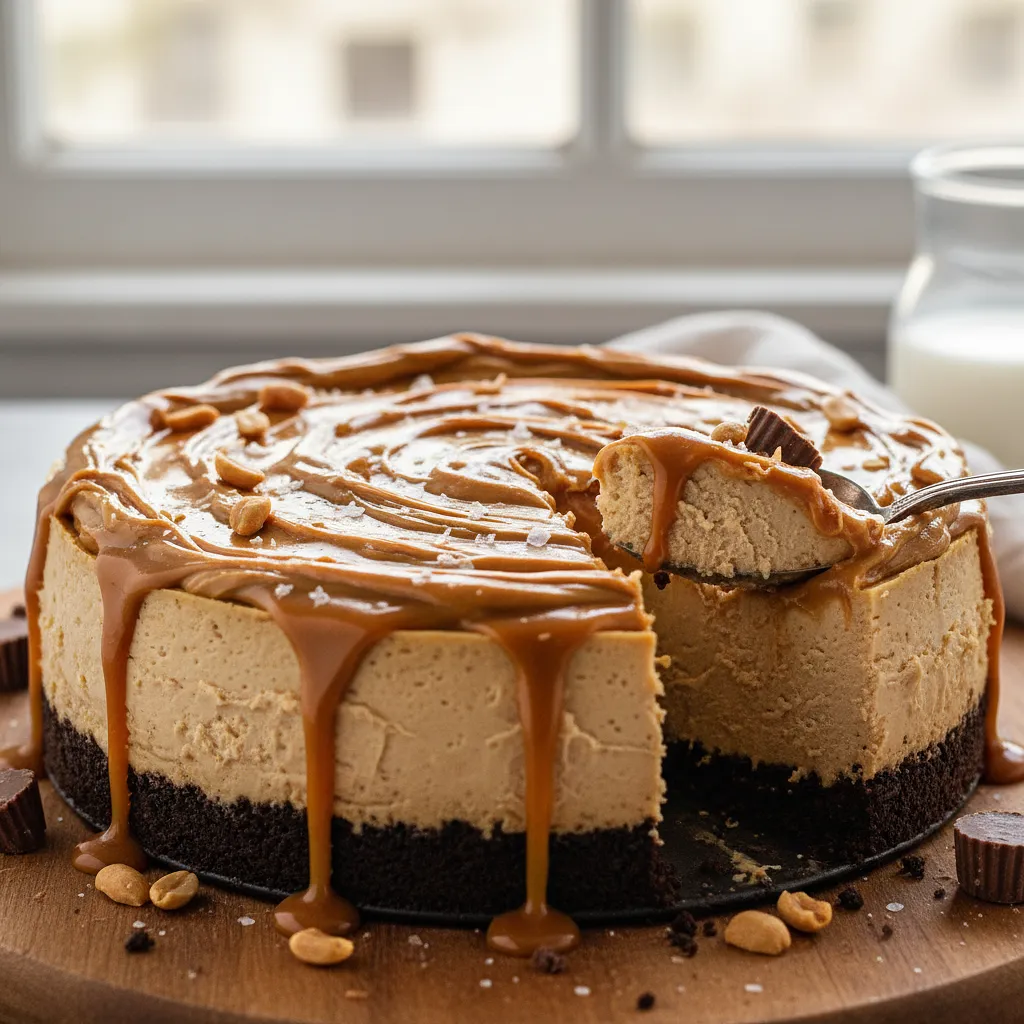
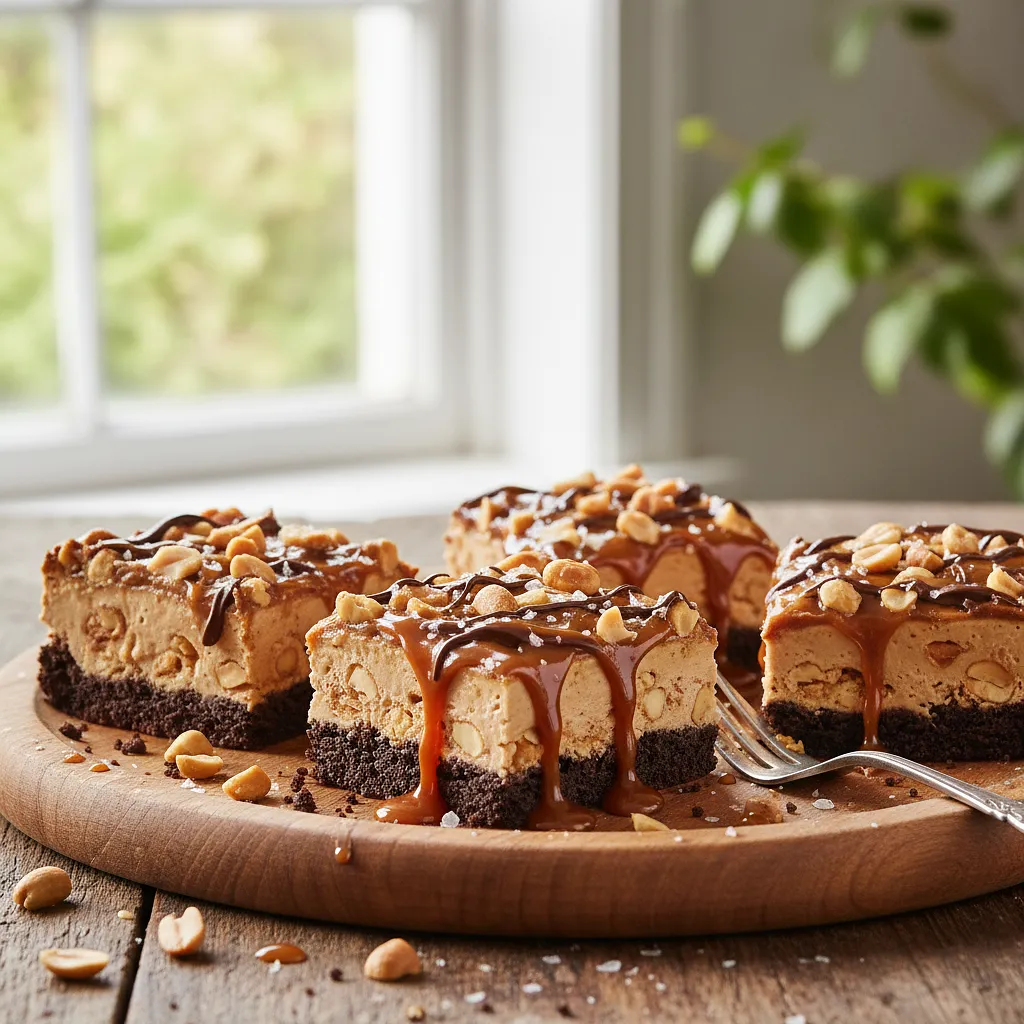
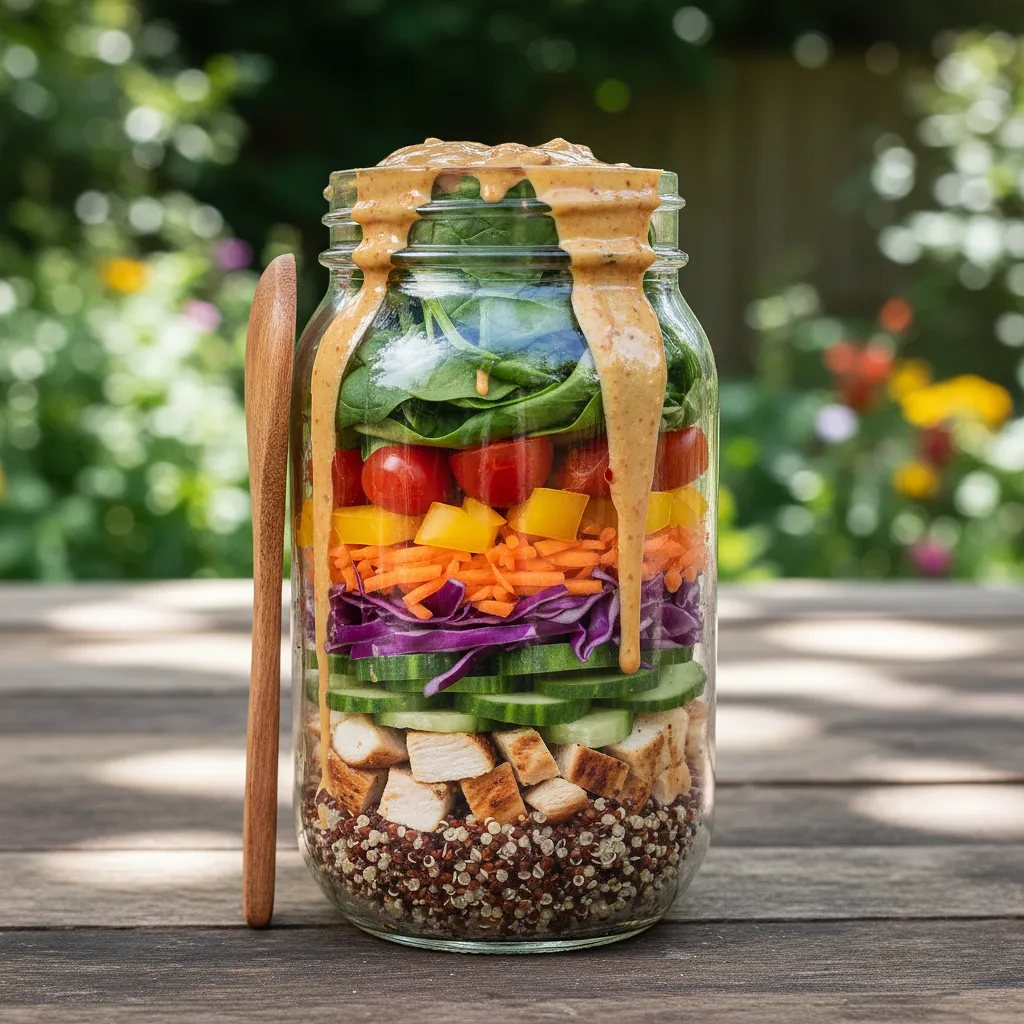
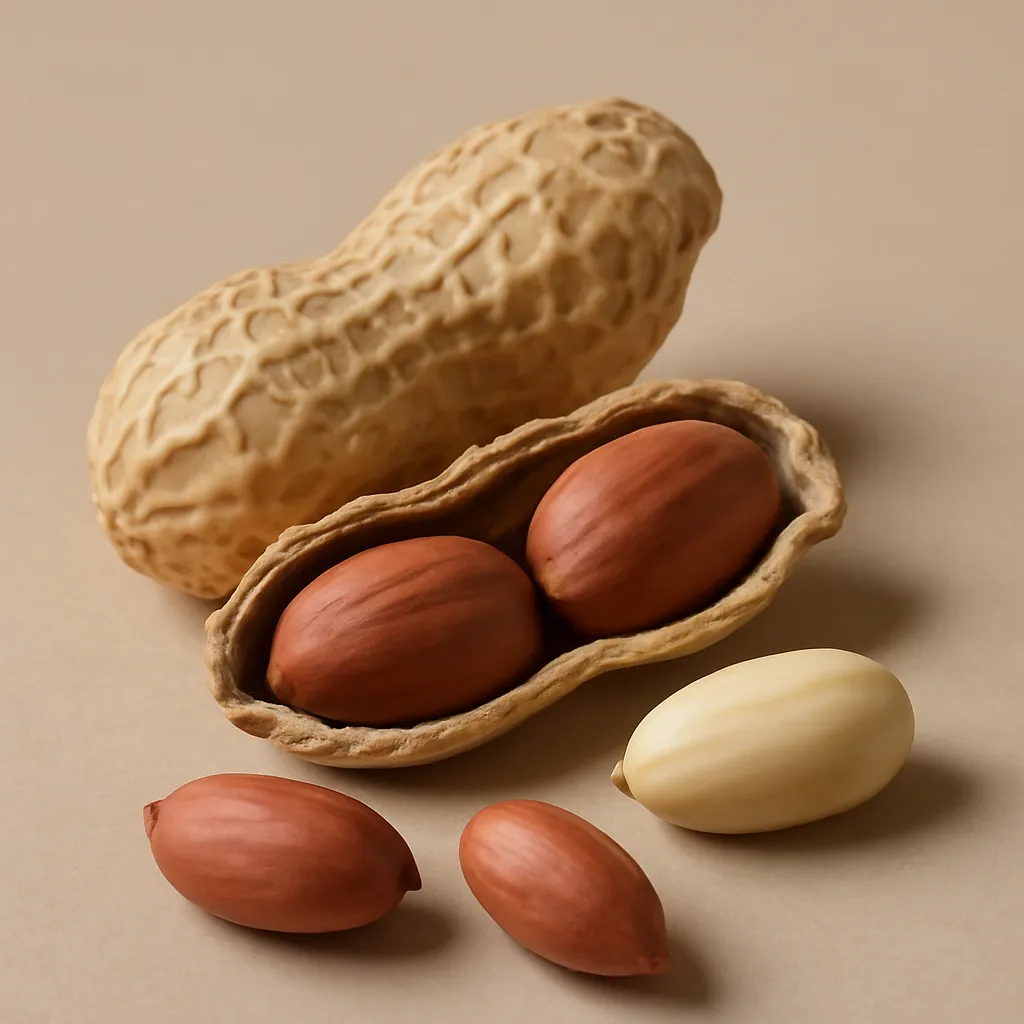
Peanuts are small, oval seeds with a thin, fibrous skin and a creamy interior; when roasted, they acquire a golden color and an intense, slightly sweet-nutty flavor with a fatty, creamy texture. They are rich in plant protein and healthy monounsaturated fats, providing fiber, vitamin E, niacin, folic acid, and minerals such as magnesium, phosphorus, and potassium; they also contain antioxidants. The calorie content is high (about 560–590 kcal/100 g), so it is advisable to use them sparingly, although they can support heart health, satiety, and glycemic control when consumed in moderation. In the kitchen, peanuts are great as a snack, an ingredient in peanut butter, an addition to salads, Asian dishes (e.g., satay sauce), baked goods, and granola, where they add crunch and aroma. Store them in an airtight container in a cool, dry, and dark place; peanut butter and shelled peanuts are better kept in the refrigerator or freezer to prevent the fats from going rancid. It is important to be aware of the risk of allergies and possible reactions in sensitive individuals.