Prepare the base: place the biscuits in a large plastic bag or bowl. If using a bag, seal it and then crush the cookies with a rolling pin into fine crumbs (they should be without large chunks, but do not need to be powdered). If using a food processor, pulse for 20–30 seconds until fine crumbs form.
Description
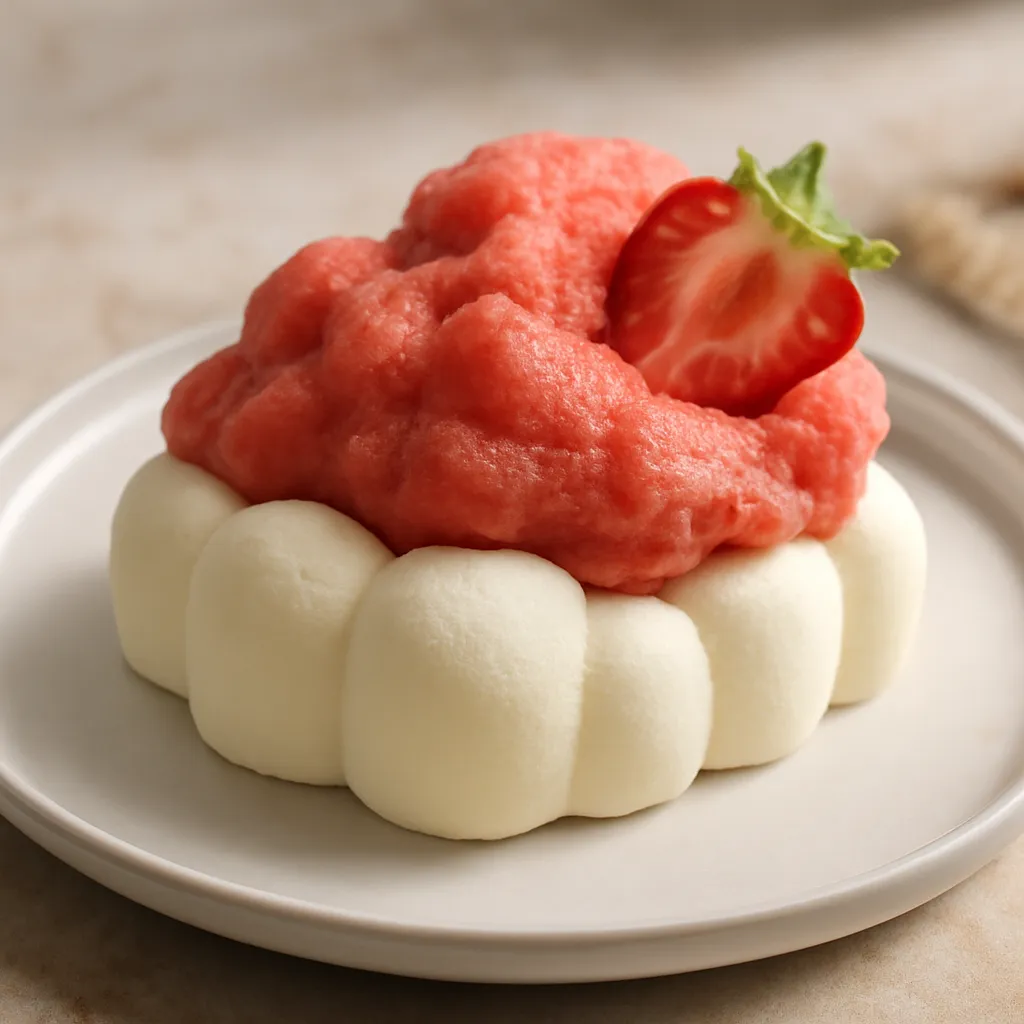
A light, fluffy cheese mousse on a crumbly biscuit base, topped with a delicate, transparent jelly made from fruit juice and fresh raspberries. This is an original interpretation of the classic 'mousse with jelly' — instead of just a pressed mousse, I propose a layered dessert: a creamy mixture based on mascarpone and cream, thickened with a small amount of gelatin, which gives a velvety texture, and a fruit jelly with pieces of fruit floating like little clouds. The dish is inspired by nostalgic sweet snacks from the 90s, but in a modern 'Sweet Blog' style — elegant on the plate, visually light, and very photogenic. It pairs perfectly with afternoon coffee, family gatherings, children's birthdays (you can skip the gelatin and use pectin/agar for vegans), and also as a dessert to serve in cups at summer gatherings. Flavor profile: creamy, slightly tangy taste thanks to lemon and raspberries, sweetness of sugar balanced by the richness of mascarpone; visually: contrast of the beige base, snow-white mousse, and ruby jelly with fruit.
Składniki (14)
- Vanilla extract 5 g
- Whole grain biscuits 200 g
- Butter 100 g
- Mascarpone 250 g
- 30% heavy cream 400 ml
- Powdered sugar 120 g
- Gelatin (powder) 20 g
- Milk 60 ml
- Fruit juice (raspberry or mixed) 250 ml
- Fresh raspberries (or mixed berries) 150 g
- Lemon (zest and juice) 1 szt.
- 🌿 Przyprawy
- Salt 0.0 szczypt
- ✨ Opcjonalne
- White chocolate (optional) 50 g
- Fresh mint (optional) 10 g
💡 Kliknij na składnik aby oznaczyć jako użyty
Preparation steps
Base
Melt the butter: place the butter in a small saucepan and heat on very low heat until completely melted, without allowing it to boil. You can also melt the butter in the microwave in short 15-second bursts. Wait 1 minute for the butter to stop foaming.
Combine: transfer the crushed biscuits to a bowl, pour in the melted, slightly cooled butter and mix with a wooden spoon until the crumbs are evenly moistened and can be pressed together firmly — the consistency should resemble wet sand.
Line the pan: transfer the cookie dough to a springform pan with a diameter of 22–24 cm or a square pan measuring 20x20 cm. Spread it evenly and press down with the bottom of a glass or a spoon, so that the base is compact and level. Place the pan in the refrigerator for at least 20 minutes to allow the base to set.
Cheese mousse
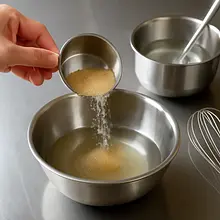
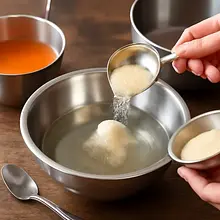
Soak the gelatin: weigh 20 g of gelatin and divide it into two parts (about 12 g for the cheese mass and 8 g for the jelly). In a small bowl, add 12 g of gelatin and pour in 60 ml of cold milk. Leave it for 5–7 minutes until the gelatin swells and becomes thick.
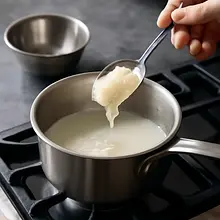
Heat the gelatin: transfer the swollen gelatin with the milk to a small saucepan and heat over very low heat, stirring constantly, until the gelatin is completely dissolved and the liquid is clear (about 30–60 seconds). Be careful not to bring it to a boil — a temperature at which the steam gently ripples is sufficient.
Prepare the cheese base: in a large bowl, place the mascarpone, add 80 g of powdered sugar, the grated zest of half a lemon (about 1/2 teaspoon of zest), and 5 g of vanilla extract. Mix with a spatula until the mixture becomes smooth and silky (about 1–2 minutes).
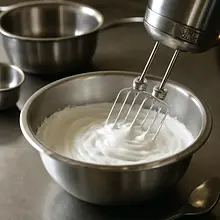
Whip the cream: pour well-chilled heavy cream (400 g) into a chilled bowl and beat with a mixer on medium speed for the first 1–2 minutes, then increase the speed until soft peaks form (about 3–4 minutes). Towards the end of whipping, add 40 g of powdered sugar and a pinch of salt, and whip for another 30–40 seconds until stiff but velvety peaks are achieved.
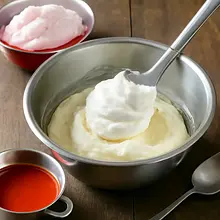
Combine the mascarpone and cream: add 1/3 of the whipped cream to the mascarpone mixture and gently fold with a spatula to loosen the cream. Then, pour in the dissolved, slightly cooled gelatin in a thin stream, slowly mixing it into the center of the mixture. Once the gelatin is incorporated, gently fold in the remaining whipped cream using an upward motion to maintain fluffiness. The mixture should be silky, light, and should not flow like a thin cream.
Add lemon: squeeze the juice from half a lemon (about 1/2 lemon) and gently fold it into the mixture for freshness — be careful not to add too much juice so as not to thin out the cream. Taste the mixture — it should be slightly sweet with a distinct but subtle tartness.
Assembly
Spread the cheese mixture over the chilled base: take the mold out of the fridge and evenly distribute the mousse over the base. Use a long spatula or spoon to smooth the surface. The mixture should cover the base to a thickness of about 2–3 cm.
Fruit Jelly
Prepare the fruit jelly: pour the remaining gelatin (about 8 g) into a bowl with 2–3 tablespoons of cold fruit juice, set aside for 5 minutes to swell. In a saucepan, heat the remaining juice (the rest from 250 ml) over low heat with 40 g of powdered sugar until hot (do not boil). Add the swollen gelatin and stir until completely dissolved and the liquid is clear.
Let the juice cool slightly: leave the hot jelly for 5–8 minutes until it stops steaming heavily but is still liquid. During this time, evenly distribute the fresh raspberries over the cheese mixture — you can sink some of the fruits and leave some on top for decoration.
Pour the jelly: slowly and evenly pour the cooled jelly over the surface of the raspberry cheesecake mixture. Pour from a low height and use a spoon at the edge to soften the stream and avoid disturbing the cream.
Cooling and serving
Cooling: place the dessert in the refrigerator for at least 3 hours (preferably 4–6 hours) until the layers are completely set. The jelly should be firm to the touch, and the cream slightly springy. After cooling, gently run a knife along the inner edge of the mold to make it easier to remove.
Decoration and serving
Decoration: before serving, you can top with grated white chocolate or mint leaves. Cut the dessert with a sharp knife dipped for a moment in hot water and dried — cutting with a clean, warm knife gives even slices.
Fun Fact
Jelly mousse is a variation of popular homemade desserts that often arose from the need to use simple ingredients — gelatin and whipped cream. Layering cream and jelly appeared in home cooking as a way to achieve an attractive visual effect without baking.
Best for
Tips
Serve chilled, preferably after it has completely set. When cutting into portions, dip the knife in hot water and wipe it after each cut to ensure the slices are even and smooth. For added texture, sprinkle crunchy almond flakes or cookie crumble just before serving.
Store in the refrigerator for up to 3 days covered with plastic wrap (to prevent absorbing odors). The jelly may gently release juice after 48 hours — you can refresh the decoration before serving. Do not freeze: the texture of the cream and jelly will be ruined.
📸 Ugotowane przez społeczność
Zaloguj się, aby dodać zdjęcieDodaj zdjęcie gotowej potrawy
Po zatwierdzeniu przez moderatora otrzymasz 10 punktów doświadczenia.
Nikt jeszcze nie dodał zdjęcia. Bądź pierwszy!
Comments (0)
Be the first to comment on this recipe!
Add a comment