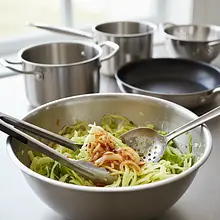
Start by preparing the cabbage. Remove the outer, possibly damaged leaves and discard them. Place the cabbage on a large cutting board and cut it into four equal parts (quarters) with a sharp knife. From each quarter, cut out the tough, woody core. Then, shred each quarter crosswise into strips about 1.5-2 cm wide.
Description
Here is a modern interpretation of a classic Polish dish that combines the tenderness and sweetness of young cabbage with the distinctive, herbal flavor of raw white sausage. The whole dish is immersed in a velvety, creamy sauce with a pronounced hint of horseradish and mustard, which perfectly balances the flavors. The top of the casserole is covered with a crunchy topping made of breadcrumbs, fresh dill, and butter, which creates a golden, appetizing crust after baking. This dish is incredibly hearty and aromatic, perfect for a family lunch or dinner on a cooler day. Visually, it looks very appetizing – the golden top contrasts with the green of the cabbage and dill inside. Serve it hot, straight from the oven, and its aroma will surely draw all household members into the kitchen. This is comfort food at its best, in the Polish way.
Składniki (14)
- Young cabbage 1 szt.
- Raw white sausage 500 g
- Onion 2 szt.
- Butter 80 g
- 18% cream 300 ml
- Grated horseradish 45 g
- Dijon mustard 15 g
- Fresh dill 2.5 pęczki
- Breadcrumbs 50 g
- Rapeseed oil 30 g
- 🌿 Przyprawy
- Salt 10 g
- Pieprz czarny świeżo mielony 2 szczypty
- ✨ Opcjonalne
- Nutmeg 2 szczypty
- Grated yellow cheese 50 g
💡 Kliknij na składnik aby oznaczyć jako użyty
Preparation steps
Preparation of cabbage and sausage
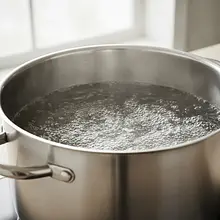
In a large pot (with a capacity of about 5 liters), bring approximately 3 liters of water to a boil. When the water starts to boil vigorously, add one teaspoon of salt. Carefully toss the chopped cabbage into the boiling water. Cook it for 3-4 minutes. The cabbage should soften but still remain slightly crunchy (al dente). After this time, immediately drain the cabbage in a large colander and let it sit for a few minutes to drain off the excess water. You can gently press it with a spoon to remove even more liquid.
Meanwhile, while the cabbage is cooking, peel the onions and chop them into small cubes. In a large, deep skillet, heat 2 tablespoons of rapeseed oil and add 30g of butter. When the butter has melted, add the chopped onion. Sauté over medium heat for 5-7 minutes, stirring frequently with a wooden spoon, until the onion becomes soft, translucent, and slightly golden. Do not let it burn.
Prick the sausage in several places with a fork to prevent it from bursting while frying. In another clean pan, heat the remaining tablespoon of oil. Place the sausage in the pan and fry over medium heat for 4-5 minutes on each side, until the skin is nicely browned and crispy. Remove the sausage from the pan onto a cutting board, let it cool for a moment, and then slice it into pieces about 1 cm thick.
Preparation of the sauce and crumble
Now prepare the sauce. In a medium bowl, combine the sour cream, grated horseradish, and mustard. Rinse the dill, dry it, and chop it finely. Add half of the chopped dill to the bowl. Season the sauce with salt (about half a teaspoon) and freshly ground pepper. If using, add a pinch of freshly grated nutmeg. Mix everything thoroughly with a whisk or spoon until a smooth, uniform sauce is formed.
Prepare the dill crumble. In a small bowl, combine the breadcrumbs with the remaining half of the chopped dill. Add the remaining 50g of melted butter. Mix everything with a fork, breaking up the ingredients until you have moist, crumbly bits resembling wet sand.
Assembly and baking of the casserole
Preheat the oven to 180°C (fan) or 200°C (top and bottom heat). Prepare a baking dish measuring about 20x30 cm. Grease the bottom and sides thoroughly with a bit of butter or oil to prevent the casserole from sticking.
In a large bowl, transfer the drained cabbage and the sautéed onion (along with the fat from frying). Gently mix. Spread half of the cabbage and onion mixture on the bottom of the prepared baking dish, creating an even layer. On top of the cabbage, place half of the sliced sausage. Drizzle everything with half of the prepared horseradish sauce, trying to distribute it evenly.
On the layer of sauce, place the remaining cabbage with onions. On top, arrange the rest of the sausage slices. Pour the remaining sauce over everything, making sure it covers all the ingredients. You can gently shake the dish to ensure the sauce gets into all the nooks and crannies.
Finally, evenly sprinkle the entire surface of the casserole with the previously prepared dill crumble. If you are using the optional cheese, sprinkle it over the casserole before adding the crumble.
Place the dish in the preheated oven. Bake for about 35-40 minutes. The casserole is ready when the top is appetizingly golden and crispy, and the sauce on the sides of the dish is gently bubbling.
After removing from the oven, let the casserole rest for 5-10 minutes before serving. This short time will allow it to 'rest' and firm up slightly, making it easier to cut and serve, and the flavors will meld together.
Fun Fact
Cabbage is one of the oldest and most important vegetables in Polish cuisine. Dishes like bigos and gołąbki have a centuries-old tradition. This casserole is a tribute to that tradition, but in a lighter, more modern version, perfect for the younger generation of food lovers.
Best for
Tips
Serve the casserole hot, garnished with a fresh sprig of dill. It pairs perfectly with young boiled potatoes, generously sprinkled with dill. You can also serve it with a slice of fresh sourdough bread, which is perfect for wiping up the delicious, creamy sauce from the plate.
The remaining casserole can be stored in the refrigerator, in an airtight container, for up to 3 days. To reheat it, it's best to place it in an oven preheated to 160°C for about 15-20 minutes, covered with aluminum foil to prevent it from drying out. The crumble will regain some of its crunchiness. You can also reheat a portion in the microwave.
📸 Ugotowane przez społeczność
Zaloguj się, aby dodać zdjęcieDodaj zdjęcie gotowej potrawy
Po zatwierdzeniu przez moderatora otrzymasz 10 punktów doświadczenia.
Nikt jeszcze nie dodał zdjęcia. Bądź pierwszy!
Comments (0)
Be the first to comment on this recipe!
Add a comment