Menu

Rose-Pistachio Doughnuts with a Hint of Cardamom (Grandma Zosia's Secret Recipe)

Cakes and Bakes Desserts Dishes for Special Occasions 180 min Medium 11 wyświetleń ~54.68 PLN - (0)
Rate:
(0)

Description

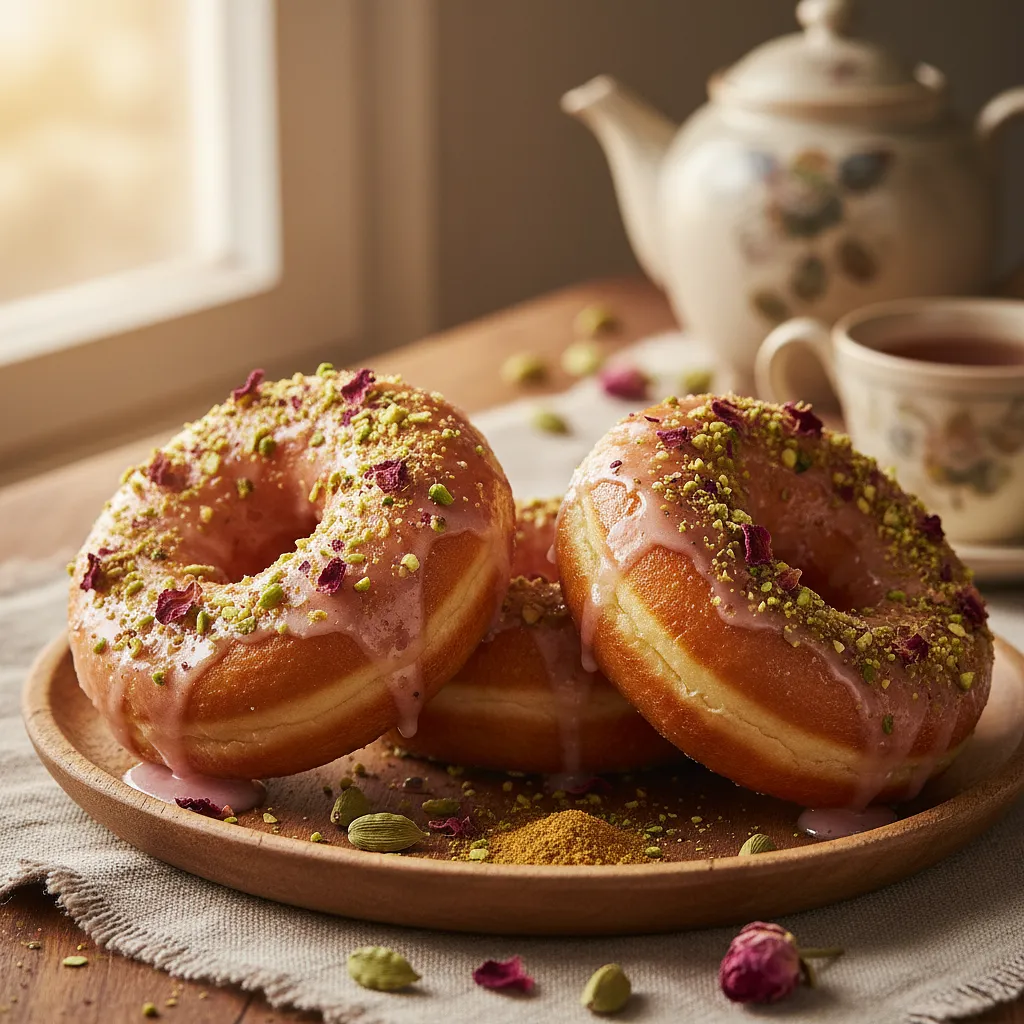
Here’s a recipe that will transport you back in time to a kitchen filled with warmth and the aroma of fresh pastries. These are not ordinary doughnuts – they are a tribute to tradition, enriched with noble notes that give them a contemporary character. The base is a classic, fluffy, and incredibly delicate yeast dough that melts in your mouth thanks to a large number of egg yolks and real butter. The secret ingredient is a pinch of ground cardamom, adding a subtle, spicy depth. Inside each doughnut lies a gem – a thick, aromatic rose petal jam, whose sweetness perfectly balances the dough. The whole is topped with a shiny glaze with a hint of rose water and a crunchy sprinkle of chopped pistachios and dried rose petals. These doughnuts are small works of art – golden, with a perfect white rim, beautifully decorated. Perfect for Fat Thursday, but also for any occasion when you want to treat yourself and your loved ones to a touch of luxurious pleasure.

Składniki (17)

Servings:
6
  • Luxury wheat flour type 550 500 g
  • Fresh yeast 50 g
  • Milk 3.2% 250 ml
  • Cukier drobny 80 g
  • Żółtka jaj 6 szt.
  • Masło 82% 100 g
  • Rectified spirit 2 łyżki
  • Smalec wieprzowy 500 g
  • Rapeseed oil 500 g
  • Rose petal jam 200 g
  • Powdered sugar 200 g
  • Gorąca woda 45 ml
  • 🌿 Przyprawy
  • Salt 0.1 szczypt
  • Ground cardamom 2 g
  • ✨ Opcjonalne
  • Rose water 5 g
  • Unsalted, shelled pistachios 50 g
  • Dried edible rose petals 5 g
💰 Szacowany koszt dania: ~54.68 PLN (9.11 PLN/porcję)

💡 Kliknij na składnik aby oznaczyć jako użyty

Preparation steps

Yeast starter (Sponge)

1

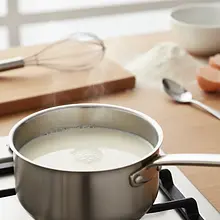
Start by preparing the starter. In a small saucepan, heat the milk. It should be slightly warm, like body temperature (about 37°C). Check by dropping a drop on the inner side of your wrist – it shouldn't feel hot. Crumble fresh yeast into a bowl, add 1 tablespoon of sugar and 2 tablespoons of flour (take from the weighed portion). Pour half of the warm milk (about 125 ml) over it and mix thoroughly with a fork until all ingredients are combined and there are no lumps. Cover the bowl with a clean cloth and set it in a warm place for 15-20 minutes. The starter is ready when it has significantly increased in volume and a thick, bubbly foam appears on its surface. This is a sign that the yeast is active.

Ingredients: Fresh yeast, Milk 3.2%, Cukier drobny, Luxury wheat flour type 550
The most common mistake is 'scalding' the yeast with milk that is too hot, which kills it. If the starter hasn't risen after 20 minutes, unfortunately, you need to start over with fresh yeast. A warm place can be near a radiator or a slightly heated (and turned off!) oven.
Kneading the dough

2

In a small bowl, place the egg yolks and the remaining sugar. Using a mixer with whisk attachments, beat on high speed for about 5-7 minutes. The mixture should become very light, almost white, thick, and fluffy – like a classic kogel-mogel. This step aerates the dough and makes the doughnuts more delicate.

Ingredients: Żółtka jaj, Cukier drobny
Use a hand mixer or a stand mixer. If you don't have a mixer, you can use a manual whisk, but it will take more time and effort. Well-beaten egg yolks are one of the secrets to perfect doughnut dough.
3

In a large bowl, sift the flour through a sieve. Add salt and ground cardamom, then mix the dry ingredients with a spoon. Sifting the flour aerates it and prevents lumps from forming. In the center of the mound of flour, make a well with your hand or a spoon, known as a 'well'.

Ingredients: Luxury wheat flour type 550, Salt, Ground cardamom
Use a large bowl so the dough has room to rise. Don't skip sifting the flour – it really makes a difference in the final texture of the dough.
4

Pour the risen yeast starter into the well in the flour. Also add the mixture of beaten egg yolks, the rest of the warm milk, and the spirit. Using a wooden spoon or a dough hook in a stand mixer, start slowly mixing the ingredients, incorporating the flour from the edges into the center, until they are initially combined into a loose, sticky dough.

Ingredients: Milk 3.2%, Rectified spirit
At this stage, the dough will be very sticky – this is normal. Do not add more flour just yet. All liquid ingredients should be at room temperature to avoid hindering the yeast's activity.
5

In the meantime, melt the butter in a small saucepan over low heat and set aside to cool slightly. The butter should be liquid but not hot. Once the dough is partially combined, start kneading it, gradually pouring in the melted butter in a thin stream. Knead the dough until it absorbs all the fat.

Ingredients: Masło 82%
Hot butter could 'scald' the dough and ruin the gluten structure. Make sure it is only slightly warm to the touch. Adding butter at the end makes the dough more elastic.
6

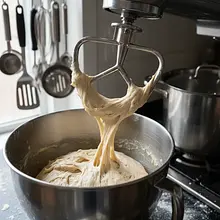
Now the most important step – kneading. If you are using a mixer with a hook, knead on medium speed for about 10 minutes. By hand: transfer the dough to a lightly floured surface and knead vigorously for 15-20 minutes. Knead the dough by pushing it away from you with your wrist, folding it in half, and turning it 90 degrees. Repeat this motion. The finished dough should be smooth, shiny, very elastic, and should pull away from your hands and the bowl. When pressed with a finger, it should slowly return to its shape.

This is a key moment! Properly kneading the dough develops the gluten network, which guarantees the fluffiness of the donuts. Do not shorten this time. The dough will be sticky at first, but as you knead it, it will become smooth. Resist the temptation to add a lot of flour – the dough should be soft.

Rising and Shaping

7

Form the dough into a ball, place it in a bowl lightly dusted with flour. Cover the bowl tightly with plastic wrap or a clean kitchen towel and set it in a warm, draft-free place for about 1.5 hours. The dough should at least double in size during this time.

Plastic wrap is better than a cloth because it prevents the surface of the dough from drying out. You can also place a bowl in the oven with just the light on – it will create the perfect temperature for rising.
8

Remove the risen dough onto a lightly floured countertop or board. Punch it down to release the gas, then briefly knead it. Roll out the dough into a flat round about 1.5 cm thick. Try not to use too much flour for dusting.

Use a rolling pin. Dough that is rolled too thin will yield flat donuts, while dough that is too thick may not bake through in the middle. A thickness of 1.5 cm is ideal.
9

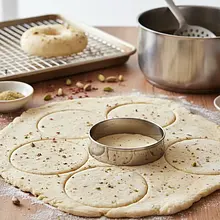
Using a glass with a diameter of about 7-8 cm or a special cutter, cut circles from the dough. Knead the leftover dough after cutting, roll it out again, and cut more circles. Place a full teaspoon of rose jam in the center of each circle. Be careful not to dirty the edges of the dough, as the doughnuts may come apart while frying.

Ingredients: Rose petal jam
You can dip the rim of the glass in flour to prevent it from sticking to the dough. Don't add too much filling, as it will spill out and splatter in hot oil.
10

Gently stretch each filled circle with your fingers and pinch the edges to form a neat ball. Make sure the edges are sealed very well. Then, gently flatten the ball in your hands, shaping it like a doughnut. Place the shaped doughnuts on a countertop or board generously sprinkled with flour, leaving space between them. Loosely cover them with a cloth and let them rise for the second time for about 30-40 minutes. The doughnuts should noticeably puff up and become very light.

This is a very important step! Proper sealing will prevent the filling from leaking. Test the 'readiness' of the doughnut for frying: gently press it with your finger; if the indentation slowly levels out – it is ready. If it bounces back immediately – it needs a little more time. If it stays – it has over-proofed.

Frying the donuts

11

In a wide, flat pot or deep skillet, heat the lard with oil. There should be enough fat for the doughnuts to float freely without touching the bottom (about 4-5 cm deep). The ideal temperature is 175-180°C. If you don't have a thermometer, do a test: drop a small piece of dough. If it immediately rises to the surface and starts to brown, surrounded by small bubbles, the fat is ready. If it sinks to the bottom – it's too cold. If it burns immediately – it's too hot.

Ingredients: Smalec wieprzowy, Rapeseed oil
Use a heavy-bottomed pot that distributes heat evenly. Too low a temperature will cause the donuts to absorb fat and become heavy. Too high will burn them on the outside while leaving them raw inside. Adjust the burner’s power during frying.
12

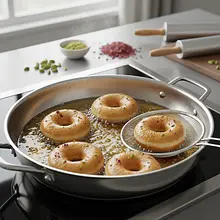
Gently take the doughnuts in your hands and place them in the hot fat 'top side down' (the side that rose on top). Fry in batches, 3-4 pieces at a time, to avoid lowering the temperature of the fat too much. Fry for about 2-3 minutes on each side, until they achieve a beautiful golden-brown color. Properly fried doughnuts will have a characteristic light ring around them.

Do not drop the doughnuts into the oil, as you may get burned. Place them in carefully. Do not pierce the doughnuts with a fork while turning – use wooden sticks or a wide, flat slotted spoon to avoid damaging them.
13

Remove the fried donuts using a slotted spoon and place them on a large plate or a rack lined with several layers of paper towels. The towels will absorb the excess fat. Allow the donuts to cool completely before decorating.

Do not stack the donuts on top of each other while they are hot, as they may get squished and lose their fluffiness. Give them space to cool down.

Decoration

14

Prepare the icing. Sift the powdered sugar into a bowl. Gradually add hot water (start with 2 tablespoons) and optionally rose water, vigorously mixing with a whisk or spoon until you achieve a smooth, thick, but still pourable consistency. If the icing is too thick, add a few drops of water; if too thin – add more powdered sugar.

Ingredients: Powdered sugar, Gorąca woda, Rose water
The icing sets quickly, so prepare it just before decorating. Sifting the powdered sugar is key to achieving a perfectly smooth glaze without lumps.
15

Chop the pistachios coarsely. Dip the top of each cooled doughnut into the prepared glaze, allowing the excess to drip back into the bowl. Immediately, before the glaze sets, generously sprinkle with chopped pistachios and a few dried rose petals. Set the doughnuts on a rack to allow the glaze to fully set.

Ingredients: Unsalted, shelled pistachios, Dried edible rose petals
Prepare the toppings before you start glazing. The icing sets within a few minutes, so you need to work quickly. You can hold the doughnut over a bowl of icing and sprinkle it, allowing the excess topping to fall back into the bowl.

Fun Fact

💡

The tradition of eating donuts on Fat Thursday dates back to the 17th century in Poland. Initially, however, donuts were not sweet! They were filled with lard, meat, or bacon, and the hearty meal was meant to ensure prosperity. It was only later that they began to be prepared sweet, which revolutionized this carnival treat.

Best for

Tips

🍽️ Serving

Doughnuts taste best on the day they are made, when they are still fresh and fluffy. Serve them on an elegant plate or a wooden board. They pair perfectly with a cup of black, bitter coffee or unsweetened tea, which will balance their sweetness.

🥡 Storage

If you have leftover doughnuts, store them in an airtight container at room temperature for up to 2 days. To regain some freshness, you can heat them for 10-15 seconds in the microwave. It is not recommended to freeze glazed doughnuts, as the icing becomes sticky and unappealing after thawing.

📸 Ugotowane przez społeczność

Zaloguj się, aby dodać zdjęcie
Dodaj zdjęcie gotowej potrawy

Po zatwierdzeniu przez moderatora otrzymasz 10 punktów doświadczenia.

🍲

Nikt jeszcze nie dodał zdjęcia. Bądź pierwszy!

Comments (0)

Be the first to comment on this recipe!

Add a comment

You might also like

Recipe Categories

Homemade cakes and pastries are the heart of Polish culinary tradition - sweet memories from childhood. In our collection, you will find recipes for classic yeast cakes, shortcrust, sponge, and cheesecake. Apple pie, poppy seed cake, gingerbread, Easter babka, chocolate cake, and New York cheesec...

See all recipes in this category
Desserts
Desserts in: Christmas Eve Dinner

Desserts are a sweet ending to a meal that brings joy to both children and adults. In this category, we present recipes for a variety of sweets - from simple creams and mousses, to elegant panna cottas, and exquisite fruit tarts. Our desserts include both classics of Polish cuisine - fruit jelly,...

See all recipes in this category

Dishes for special occasions are culinary masterpieces for birthdays, anniversaries, and holidays. Grilled beef steak with herb butter - restaurant quality at home. Beef Wellington - beef in puff pastry with duxelles. Roast duck with apples - a holiday tradition in a new edition. Pink salmon with...

See all recipes in this category
Reklama