Take the butter, eggs, and milk out of the fridge about 30–60 minutes before starting, so they reach room temperature (the butter should be soft but not melted). Preheat the oven to 170°C (top-bottom). Prepare a loaf pan (bundt pan) with a capacity of about 1.5–2 liters: grease it with butter and dust it thoroughly with flour or line it with baking paper.
Description
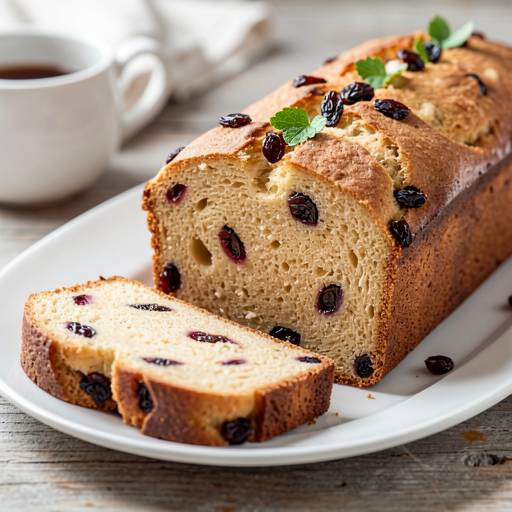
Classic sand cake with rum-soaked raisins is a fluffy, moist cake with a delicate, buttery texture and a slightly crumbly crust. The roots of this baked good are typically Polish and German — similar cakes have been baked in homes for generations for the holiday table. In this version, we add raisins soaked in rum and lemon zest, which brings aroma and freshness, while the optional glaze made of powdered sugar gives it an elegant appearance. Serve slightly cooled, cut into thick slices, best with a cup of coffee or brewed tea; it also pairs wonderfully with tart yogurt or homemade currant jam. The cake has a golden color, delicate air pockets, and a spicy vanilla aroma — perfect for the Easter table and family gatherings.
Ingredients Used
Ingredients (13)
- Chicken egg 4 szt. (~240 g)
- Sugar 200 g
- Butter 200 g
- Wheat flour 200 g
- Potato flour 100 g
- Baking powder 15 g
- Milk 50 ml
- Raisins 100 g
- Lemon 0.8 szt. (~60 g)
- Vanilla sugar 8 g
- 🌿 Przyprawy
- Salt 1 g
- ✨ Opcjonalne
- Rum 30 g
- Powdered sugar 80 g
💡 Kliknij na składnik aby oznaczyć jako użyty
Preparation steps
Preparation
Preparing the raisins
Place the raisins in a small bowl. Pour in 30 ml of rum (optional) or 50 ml of hot water, mix, and set aside for at least 20 minutes until they swell and become soft. After soaking, drain the excess liquid — if you want to keep the flavor, reserve a few teaspoons of the liquid to add to the dough.
Cake
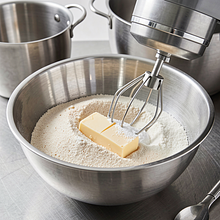
In a large bowl, place the soft butter and add the sugar and vanilla sugar. Using a mixer with a whisk attachment (or a wooden spoon/manual whisk), beat on medium speed for 4–6 minutes until the mixture becomes lighter, fluffy, and creamy. The mixture should increase in volume and no longer have any noticeable sugar crystals.
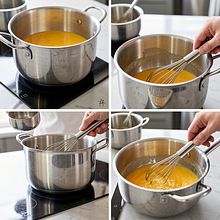
Add the eggs one at a time: pour in one egg, mix for 20–30 seconds until combined, then add the next one. After adding all the eggs, the mixture should be smooth and uniform. If the mixture starts to curdle (liquids separate), add 1–2 tablespoons of flour and mix briefly.
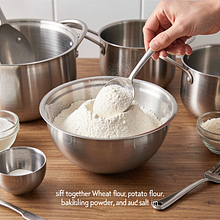
In a bowl, sift together the all-purpose flour, potato flour, baking powder, and salt. Sift at least once to incorporate air and eliminate lumps. Add the dry ingredients to the mixture in small portions, alternating with tablespoons of milk: 3–4 additions of dry ingredients and 2–3 additions of milk, mixing briefly with a spatula after each addition until the mixture is uniform — do not mix too long, just until the ingredients are combined.
Grate the lemon zest without the white part (only the yellow zest) on a fine grater and add it to the batter. Add the drained raisins and gently mix with a spatula to evenly distribute the fruit in the batter.
Baking
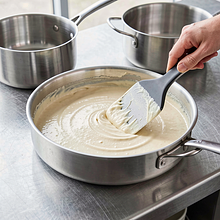
Transfer the batter to the prepared pan: use a spatula to scrape all the mixture from the bowl and smooth the surface. Gently level the top. Place the pan in the preheated oven and bake at 170°C for 50–65 minutes. After 45 minutes, check the doneness with a toothpick — insert a wooden stick into the thickest part of the cake; if it comes out with a few moist crumbs (not raw batter), the cake is ready. If the stick comes out coated with raw batter, bake for another 5–10 minutes.
Cooling and removing from the mold
After baking, remove the cake from the oven and leave it in the pan for 10–12 minutes to avoid damaging the structure when removing it quickly. Then gently run a knife along the edge of the pan, turn the pan upside down onto a cooling rack, and let the cake drop out. Allow it to cool completely — at least 60 minutes — before applying the glaze.
Glaze and decoration
If you are using powdered sugar, sift it into a bowl. Add 1–2 teaspoons of lemon juice and 1–2 teaspoons of water, mixing until a smooth, pourable glaze forms (adjust the consistency with liquid). Drizzle the cooled cake with a thin stream of glaze and set aside to harden (10–20 minutes). Alternatively, simply dust the cake with powdered sugar through a sieve.
Serving
Cut the cake into thick slices with a serrated knife. Serve at room temperature. If you want to refresh the flavor before serving, serve with a spoonful of natural sour yogurt or homemade red fruit jam.
Fun Fact
The sandy babka gets its name from the fine, 'sandy' texture of the dough achieved by combining wheat flour and potato flour. In Poland, babka is a classic Easter bake — in some regions, raisins and alcoholic infusions are a staple part of the recipe.
Best for
Tips
Serve sliced pieces with a cup of coffee or black tea. For a flavor contrast, serve with sour natural yogurt or red fruit jam. To enhance the aroma, drizzle the slices with a small amount of rum just before serving (for adults).
Store in a cool place, covered with a cloth or in a cake container for up to 3 days. Do not put in the fridge, as it may dry out; if it's hot, keep in a cool place. To refresh, briefly heat pieces in the oven at 150°C for 5–7 minutes or in the microwave for 10–15 seconds.
📸 Ugotowane przez społeczność
Zaloguj się, aby dodać zdjęcieDodaj zdjęcie gotowej potrawy
Po zatwierdzeniu przez moderatora otrzymasz 10 punktów doświadczenia.
Nikt jeszcze nie dodał zdjęcia. Bądź pierwszy!
Comments (0)
Be the first to comment on this recipe!
Add a comment