Preheat the oven to 200°C. Cut the rye bread into slices, then into cubes about 1.5–2 cm. Spread the cubes on a baking sheet lined with parchment paper in a single layer. Place in the oven and bake for 12–15 minutes, until the bread is deep brown and dry, but not burnt. Every 4–5 minutes, shake the tray or stir to ensure even browning.
Description
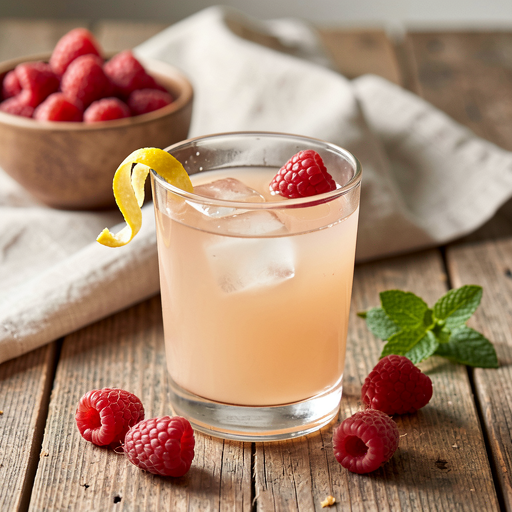
A traditional fermented drink inspired by the Podlasie culture, combining the sweet-sour character of bread kvass with the summer freshness of raspberries and the aroma of lemon peel. It is a refreshing, slightly sparkling drink for hot days, perfect for grilled sausages, summer salads, and gatherings on the terrace. It is made by steeping roasted rye bread, a short fermentation, and the addition of fresh fruits — the result is a golden, slightly cloudy drink with a deep color, featuring a distinct raspberry note and citrus freshness. The kvass has a low alcohol content, plenty of aroma, and looks beautiful served with raspberries and a ribbon of lemon peel.
Ingredients Used
Ingredients (9)
- Rye bread 300 g
- Water 2000 ml
- Sugar 200 g
- Raspberry 300 g
- Lemon 2.5 pcs (~200 g)
- Dry yeast 5 g
- 🌿 Spices
- Salt 2 g
- ✨ Optional
- Mint 30 g
- Honey 60 ml
💡 Click an ingredient to mark it as used
Preparation steps
Toasting bread
Thickening agent
Pour boiling water over the toasted bread: place the bread in a large, non-corrosive pot, and pour in 2 liters of boiling water. Cover with a lid and set aside in a warm place for 4–6 hours (you can leave it overnight). During the maceration, stir once or twice with a spoon to release all the color and aroma.
Draining
After maceration, strain the liquid through a fine sieve lined with cheesecloth or a clean cloth into a large pot or bowl. Press the leftover bread with a spoon or your hand through the cheesecloth to extract as much liquid as possible. Discard the dry bread crumbs (they can be used for compost).
Sweetening and salting
Heat the drained liquid to a temperature of about 40°C (it should be noticeably warm but not hot). Add sugar (200 g) and salt (2 g) and stir until completely dissolved. Taste: the drink should be distinctly sweet — sugar is the fuel for the yeast.
Activating the yeast
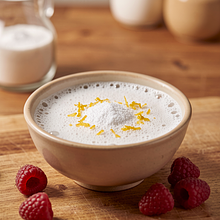
In a small bowl, dissolve the dry yeast (5 g) in 30–50 ml of warm water (about 35–38°C). Gently mix and set aside for 8–10 minutes — the surface should foam and a light froth will appear, indicating that the yeast is active.
Initiating fermentation
When the sweet broth cools down to 30–35°C, pour in the foamed yeast and mix well. Transfer everything to a clean fermentation vessel (large jar, carboy, or plastic bucket). Cover with a cloth or a loose lid and place in a warm spot (20–24°C) for 24–48 hours. After this time, the liquid should be slightly sparkling, with a sour smell and small bubbles appearing.
Preparation of toppings
Wash the raspberries and drain. Grate the yellow part of the lemon peel using a microplane (be careful not to grate the white layer). Lightly crush half of the raspberries with a fork to release their juice — this will enhance the aroma during the second fermentation. If you are using mint, pluck the leaves and gently crush them to release the oils.
Bottling and second fermentation
Strain the sour broth through a fine sieve into a clean container to separate the yeast residue and crumbs. Add grated lemon zest, crushed raspberries, and optionally honey (60 g) and a few mint leaves. Gently mix. Pour into clean plastic bottles or swing-top bottles, leaving 3–4 cm of space at the top. Seal tightly and leave at room temperature for 12–24 hours to allow the drink to lightly carbonate and absorb CO2. Check the pressure every few hours — if the bottles become hard, transfer them to the refrigerator.
Cooling and serving
After a short second fermentation, place the bottles in the refrigerator for at least 12 hours — chilling will stop the fermentation and improve clarity. Serve very cold: fill tall glasses with a few ice cubes, pour in the acid, add a few fresh raspberries, and a ribbon of lemon peel on the rim. Adjust the taste to your liking: if it's too sour, sweeten with a teaspoon of honey in the glass.
Fun Fact
Bread kvass has a long history in Slavic kitchens as an inexpensive, refreshing drink made from bread. In the Podlasie region, it was often combined with local forest fruits, which gave it a distinctive regional touch.
Best for
Tips
Serve very chilled in tall glasses with a few fresh raspberries and a ribbon of lemon peel. Add a plate of cold cuts or a salad of seasonal vegetables to the set. If you want a stronger fizz, extend the second fermentation by a few hours, but be careful with the pressure in the bottles.
Store in the refrigerator for up to 5 days. After this time, the drink may become very sour and overly carbonated. Always check the pressure before opening the bottle — if it is hard, slowly crack it open over the sink to release excess gas.
📸 Cooked by the community
Log in to add a photoAdd a photo of the finished dish
After moderator approval, you will receive 10 experience points.
No one has added a photo yet. Be the first!
Comments (0)
Be the first to comment on this recipe!
Add a comment