Dinosaurs in Vegetables

Pikantne Main dishes Regional Cuisine of Poland 35 min Medium 47 wyświetleń ~26.81 PLN - (0)
Rate:
(0)
Start Cooking

Description

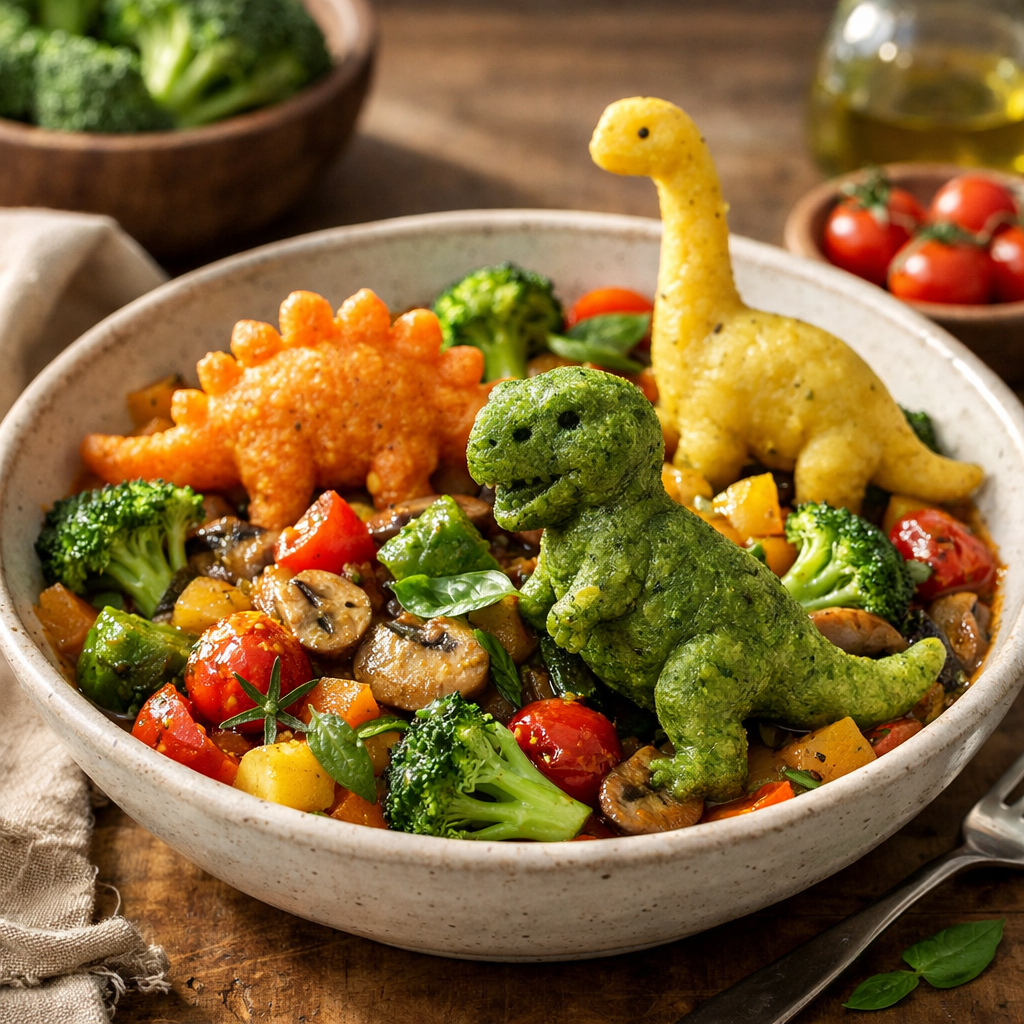
Dinosaurs in vegetables is a fun, hearty main dish that combines the Polish winter vegetable vibe with a creative shape for both kids and adults. Meat patties shaped like "dinosaurs" are made from minced meat and roasted buckwheat, giving a pleasant texture and earthy flavor. They are accompanied by a "jungle" of carrots, parsley, and crunchy slices of beetroot, along with gently sautéed sauerkraut. The dish is aromatic thanks to marjoram and garlic, while balanced by the acidity of the sauerkraut. Serve with mashed potatoes or a dollop of sour cream — it looks impressive (dinosaurs arranged on "grass" made of vegetables) and is perfect for a family dinner, a children's party, or as a regional twist for dinner.

Ingredients Used

Ingredients (20)

Servings:
4
  • Chicken egg 2 szt. (~120 g)
  • Ground pork 500 g
  • Buckwheat groats 100 g
  • Breadcrumbs 50 g
  • Milk 50 ml
  • Onion 1 szt. (~150 g)
  • Garlic 3 ząbki (~15 g)
  • Carrot 2.5 szt. (~200 g)
  • Parsley root 1 szt. (~100 g)
  • Beets (raw) 200 g
  • Sauerkraut 300 g
  • Potatoes 2.7 szt. (~400 g)
  • Butter 50 g
  • Rapeseed oil 30 g
  • 🌿 Przyprawy
  • Salt 8 g
  • Black pepper 4 szczypty (~2 g)
  • Marjoram 2 g
  • ✨ Opcjonalne
  • Cheese 50 g
  • 18% cream 50 ml
  • Sesame 20 g
💰 Szacowany koszt dania: ~26.81 PLN (6.70 PLN/porcję)

💡 Kliknij na składnik aby oznaczyć jako użyty

Preparation steps

Buckwheat

1

Rinse the buckwheat in a sieve under cold water until the water runs clear. Pour the buckwheat into a small pot and cover with cold water in a 1:2 ratio (100 g of buckwheat to 200 ml of water). Add a pinch of salt (about 1 g). Bring to a boil over high heat, then reduce the heat to the minimum, cover with a lid, and cook for 12–15 minutes until the grains absorb the water. After cooking, let it sit covered for 5 minutes, then fluff with a fork.

Use a pot with a diameter of 16–18 cm with a lid. If the groats are toasted, the cooking time is usually 12 minutes; if they are unroasted, they may need 15 minutes. Check the consistency: the groats should be soft but not mushy.
Vegetables - preparation

2

Peel the carrot and parsley under running water, and cut off the ends. Cut the carrot into thin sticks 5–7 cm long and 5–7 mm thick (they will look like dinosaur combs). Slice the parsley into thin slices or small sticks. Wash the beetroot, peel it, and slice it very thinly (the easiest way is with a mandoline) — thin slices will fry faster and be crispy. Finely chop the onion.

Use a sharp knife and a cutting board for slicing. If you don't have a mandoline, use a handheld grater or slice the beet into the thinnest possible slices. Fry the thin slices of beet for a shorter time to prevent them from becoming rubbery.

Vegetables - preparation

3

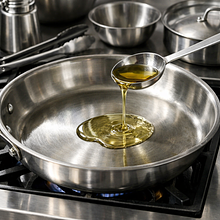
Heat 1 tablespoon of rapeseed oil (15 g) in a large skillet over medium heat. Add the chopped onion and sauté for 3–4 minutes until it becomes translucent and shiny. Add the minced garlic (15 g) and sauté for 30 seconds until fragrant. In a separate skillet, add 1 tablespoon of oil and toss in the carrot and parsley sticks; sauté for 6–8 minutes, stirring, until they are slightly softened and browned. In the same small skillet, fry thin slices of beet for 3–5 minutes on each side over medium heat until they are crispy and lightly browned. Set the vegetables aside on a plate.

The best is a frying pan with a diameter of 24–28 cm with a non-stick coating. Fry the vegetables in batches so they don't steam. Fry the beets in thin slices and watch the time — they can easily burn.

Cutlets - preparing the mixture

4

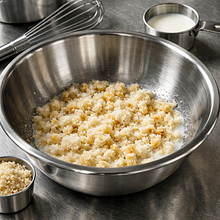
In a large bowl, soak the breadcrumbs (50 g) in milk (50 ml) for 2 minutes until softened. Add the ground meat (500 g), cooked and cooled buckwheat (100 g), sautéed onion with garlic, beaten egg (120 g), and the soaked breadcrumbs with milk to the bowl. Season with salt (about 8 g), pepper (2 g), and marjoram (2 g). If you are using grated cheese (50 g), add it now. Use a wooden spoon or your hands (first washed) and mix vigorously for 2–3 minutes until the ingredients are combined. The mixture should be moist and sticky, but not liquid — if it is too loose, add 10–15 g of breadcrumbs; if it is too dense, add 1–2 tablespoons of milk.

Use a large stainless steel or glass bowl. It's easiest to knead by hand (without rings), but use a wooden spoon if you prefer. Do not knead for too long (max. 4-5 minutes of intense mixing), as the meat may become compact.

Patties - shaping

5

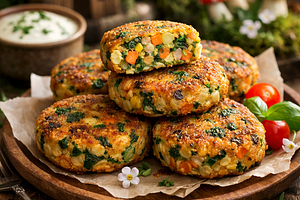
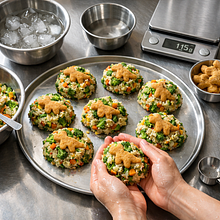
Divide the mixture into 8 equal portions (about 110–120 g each). Soak your hands in cold water (to prevent sticking) and shape each portion into an elongated oval resembling a dinosaur: a longer body, a rounded head with one end slightly elongated as a snout, short bumps as legs, and gentle knife cuts at the back as a 'crest'. Place the shaped dinosaurs on a tray or plate lined with baking paper.

For shaping, a damp bowl of water and a flat tray will be helpful. If you don't feel confident, first shape regular patties and then decorate them with carrot 'combs' after frying.

Cutlets - frying and finishing in the oven

6

Heat 2 tablespoons of rapeseed oil (30 g) in a large skillet over medium-high heat. When the oil is hot (test: sprinkle a drop of water — it should sizzle), place 4 dino nuggets in the skillet without crowding them. Fry for 3–4 minutes on each side until nicely browned. If the nuggets are thicker, after frying on both sides, reduce the heat to 160°C (or set the stove to low/medium) and cover the skillet with a lid for 6–8 minutes to finish cooking inside; or transfer to a baking sheet and bake in an oven preheated to 180°C for 8–10 minutes. Repeat with the remaining nuggets. Check at the thickest point: the meat should not be pink, and the juices should be clear.

The best option is a wide pan with a diameter of 26–28 cm. Do not flip the cutlets too often — let them brown well. If you are using an oven, preheat it to 180°C (top-bottom) in advance.

Cabbage

7

Drain the excess juice from the sauerkraut (300 g) (squeeze it by hand or drain it in a colander). In the same pan where you fried the cutlets (drain the excess fat, leaving 10 g of butter), melt the butter (50 g) over medium heat. Add the sauerkraut and sauté for 6–8 minutes, stirring frequently, until it softens and takes on a golden hue. Taste and season with a small amount of salt if necessary (remember, the cabbage is already salty). If you want to soften the acidity, add a tablespoon of 18% sour cream (optional).

Use the same pan — it will add extra flavor from the remnants of the meat. If the cabbage is very sour, rinse it briefly and squeeze it out, but the flavor will be milder if you leave some of the juice.

Mashed potatoes

8

Peel the potatoes (400 g), cut them into even pieces, and cover with water in a pot. Add 1 g of salt. Bring to a boil and cook for 15–18 minutes, until a fork easily goes into the potato. Drain, steam for 1 minute, then add butter (30 g from the previously prepared amount) and mash with a potato masher or ricer until smooth. If it's too thick, add 2–3 tablespoons of hot milk. Taste and season with salt to your liking.

Use a pot with a capacity of at least 2 liters and a potato masher. Do not blend with a high-powered blender, as the puree will become sticky.

Assembly and decoration

9

On a large plate, spread a layer of mashed potatoes as a 'sauce'. Arrange the sautéed carrots, parsley, and beet slices to resemble a jungle (place the carrots vertically or at an angle as 'crests'). On the vegetable meadow, place 2–3 dinosaurs. Sprinkle everything with sesame seeds (optional) and freshly ground pepper. Next to it, on a smaller platter, serve the sautéed sauerkraut.

Use a flat plate with a diameter of 26–28 cm to nicely arrange the elements. Additionally, you can add some chopped dill or parsley for decoration.

Serving

10

Serve the dinosaurs warm immediately after preparation. Give each person 2 dinosaurs along with a portion of mashed potatoes and vegetables. You can additionally serve a small bowl with 18% sour cream or mustard for adults. The dish tastes best fresh, when the patties are crispy on the outside and moist on the inside.

Use wide plates to make the presentation clear. If you're cooking for kids, tell a short story about dinosaurs — it will boost their appetite!

Cleaning and final tips

11

After cooking, set the pan aside and let it cool before washing. Store any leftover meat mixture in an airtight container in the fridge for up to 24 hours. Fill dried dishes with warm soapy water to make washing easier.

I do not recommend storing raw dough for longer than 24 hours. Wash pans and bowls in warm soapy water. If you used a wooden cutting board for meat, wash it separately and thoroughly sanitize it.

Fun Fact

💡

Meat with the addition of buckwheat groats is an old way to extend the meat mass and enrich the flavor — in many regions of Poland, groats have been used for years as a filler and flavoring ingredient.

Best for

Tips

🍽️ Serving

Serve immediately after preparation: the dinosaurs taste best hot and crispy. For adults, add spicy mustard or pickled onions. You can also serve with pickles for extra acidity.

🥡 Storage

Store in the refrigerator in an airtight container for up to 24 hours. The patties can be reheated in the oven at 160°C for 8–10 minutes to regain their crispiness; microwaving is not recommended as they will lose their texture.

📸 Ugotowane przez społeczność

Zaloguj się, aby dodać zdjęcie
Dodaj zdjęcie gotowej potrawy

Po zatwierdzeniu przez moderatora otrzymasz 10 punktów doświadczenia.

🍲

Nikt jeszcze nie dodał zdjęcia. Bądź pierwszy!

Comments (0)

Be the first to comment on this recipe!

Add a comment

You might also like

Recipe Categories

Main courses are the heart of every meal - hearty, nutritious, and full of flavor. In this category, we present a rich selection of recipes for lunches and dinners that will satisfy even the most discerning palates. From classic Polish pork chops to aromatic chicken dishes, to exquisite steaks an...

See all recipes in this category

Traditional recipes from various regions of Poland that showcase the richness of local flavors and ingredients.

See all recipes in this category
Reklama