Recipe for: Fermented Apple and Cucumber Kvass with Dill

Drinks Regional Cuisine of Poland 4320 min Medium 10 views ~22.25 PLN * - (0)
Rate:
(0)
Start Cooking

Description

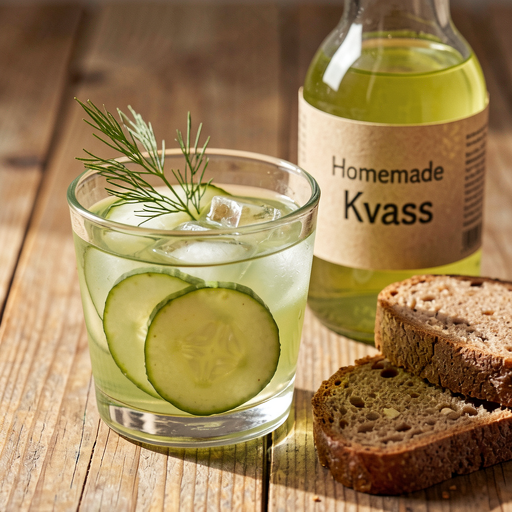
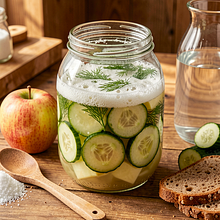
Fermented apple and cucumber kvass with dill is a refreshing, slightly sour drink with a spicy aroma of dill, deeply rooted in the traditions of Greater Poland, made in the summer with local ingredients. It is created through a short natural fermentation process: the juice from fermented apples and cucumbers gains additional depth of flavor from bread sourdough and a bit of sugar, while fresh dill adds green, summery notes. It is the perfect drink for grilled meats, summer salads, and as a refreshing aperitif. The taste is dominated by pleasant acidity with subtle sweetness and the aroma of dill; served in a glass with ice, it looks rustic and appetizing, with slices of apple and cucumber visible at the bottom. The recipe includes simple home techniques and optional spices to enhance the aroma.

Ingredients Used

Ingredients (10)

Servings:
6
  • Apple 3.3 pcs (~600 g)
  • Cucumber 1 pcs (~300 g)
  • Water 2000 ml
  • Sugar 80 g
  • Rye bread 100 g
  • 🌿 Spices
  • Dill 1.5 bunch (~30 g)
  • Salt 30 g
  • ✨ Optional
  • Bay leaf 6.7 pcs (~2 g)
  • Allspice (berries) 3 pcs (~3 g)
  • Honey 50 ml
💰 Estimated dish cost: ~22.25 PLN (3.71 PLN/serving)
* Prices missing for some ingredients

💡 Click an ingredient to mark it as used

Preparation steps

Preparation of ingredients

1

Wash the apples thoroughly and cut off any bruises. Cut each apple into quarters (do not peel). Cut the pickles into thick slices. Chop most of the dill (save a few sprigs for decoration). Prepare a clean, sterilized fermentation vessel (a 3-4 l jar or a stoneware jug).

Ingredients: Apple, Cucumber, Dill
Use a plastic or wooden cutting board and a sharp knife. The container should be scrubbed and rinsed with boiling water. Maintain hygiene, but not laboratory sterility — the microflora of pickles is natural.
Preparing the sourdough starter

2

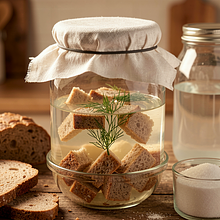
In a small bowl, place the chopped slices of rye bread. Pour 200 ml of cooled water over them and add 20 g of sugar. Stir with a spoon to ensure the bread is evenly soaked. Set aside for 4–6 hours in a warm place (about 20–24°C) to allow the bread to soften and slightly ferment. A slightly sour, cloudy liquid will form - this is our starter.

Ingredients: rye bread, Water, Sugar
Use a glass bowl or jar. If the bread is very fresh, lightly dry it in the oven for 5-10 minutes before soaking to prevent mold. The process does not require yeast; small bubbles and a sour smell indicate that the starter is working.

Maceration

3

In a large fermentation vessel, layer the bottom with apples and cucumbers, then add half of the chopped dill. If you are using bay leaves and allspice, add them now. Layer the remaining apples and cucumbers until the vessel is about 2/3 full — leave space for foam and gas. Lightly squeeze the slices of bread with the starter and add them to the vessel along with the liquid from the starter.

Ingredients: Apple, Cucumber, Dill, Bay leaf, rye bread
Use a wooden spoon to layer the ingredients — do not press too hard to leave space for fermentation. The layers should be loose so that the liquid can circulate.

Preparation of the brine

4

In a pot, bring 1800 ml of water to a boil. Add 30 g of salt and 60 g of sugar to the hot water, stirring until completely dissolved. Boil for 1-2 minutes to inhibit the surface microflora. Cool the brine to room temperature (about 20–25°C).

Ingredients: Water, Salt, Sugar
Use a large stainless steel or enamel pot. Important: do not pour hot brine into a container with cool ingredients — wait for it to cool down, otherwise you will destroy the natural microflora and flavor.

Maceration and soaking

5

When the brine has cooled, pour it into the dish with the apples, cucumbers, and bread, ensuring everything is covered. If necessary, press the ingredients down with a clean plate or stone to keep them submerged. Cover the dish with a clean cloth (to allow air to pass through) and secure it with a rubber band.

Ingredients: Water, Apple, Cucumber, rye bread
Use a plate smaller than the neck of the jar so it doesn't stick out. Do not seal tightly with the lid – fermentation needs to have an outlet. A common mistake: a completely airtight seal can cause leakage and possible jar breakage.

Fermentation

6

Set the container in a warm place (18–24°C) for 48–72 hours. Check daily: a foam and gentle bubbling may appear on the surface – this is normal. After 48 hours, taste the drink with a spoon; if it is too sweet, leave it for another day. When it reaches the desired acidity and aroma, we move on to clarifying.

Ingredients: Apple, Cucumber, rye bread, Sugar, Water
Use a room thermometer or place the container in a warm but not hot spot (kitchen, windowsill). If an unpleasant, rotting smell or mold appears on the surface — throw away the contents and start over.

Clarifying and straining

7

Once the flavor is achieved, strain the contents through a fine sieve or cheesecloth over a large bowl, pressing down firmly to extract the juice. Separate the liquid from the remnants of apples, cucumbers, and bread. Pour the clear liquid into clean bottles/jars, leaving 2–3 cm of headspace at the top of each container.

Ingredients: Apple, Cucumber, Water
Use a fine sieve and sterilized bottles (e.g., one-liter PET or glass bottles). Press the leftovers with a wooden spoon through the cheesecloth to extract as much liquid as possible.

Aging in bottles

8

If you want a lightly carbonated kvass, cap the bottles and leave them at room temperature for 12–24 hours to allow natural gases to create a gentle carbonation. Then store the bottles in the refrigerator, where the fermentation process will slow down significantly.

Ingredients: Water
Don't overdo the time at room temperature — too long can cause excessive carbonation and breakage of glass bottles. The safest options are PET bottles or a fermentation vessel with an airlock.

Taste correction and serving

9

Before serving, chill the kvass well in the refrigerator (at least 6 hours). Taste it, and if you need a sweeter note, add honey (optional) tablespoon by tablespoon to your liking. Serve in tall glasses with ice, a slice of pickled apple, a slice of cucumber, and a sprig of fresh dill.

Ingredients: Honey, Dill, Apple, Cucumber
Use a teaspoon of honey if you're adding it — it dissolves faster in a small amount of warm acid. Don't sweeten too much so as not to overpower the natural acidity.

Cleaning and final tips

10

Utilize leftover bread and apple peels by composting them, and wash the used container thoroughly with hot water and vinegar if you plan to ferment again. Write the date of preparation on the bottle to monitor its shelf life.

For cleaning, use a sponge and hot water with detergent; vinegar stains will help remove any lingering odors. A common mistake is washing only with cold water — the consequence may be an unpleasant smell during the next use.

Fun Fact

💡

Fermenting beverages with the addition of bread has a long tradition in Poland and other parts of Central and Eastern Europe; bread acted as a natural fermentation starter before isolated yeast cultures became widespread.

Best for

Tips

🍽️ Serving

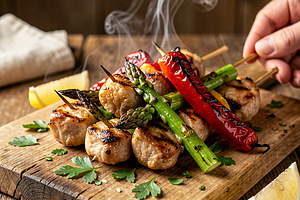
Serve chilled in tall glasses with ice and a sprig of dill; it pairs wonderfully with grilled pork neck, white sausage, or summer salads with millet. If you want a more carbonated version, chill in PET bottles and open carefully.

🥡 Storage

Store in the refrigerator for 7–10 days. After opening the bottle, keep it in the refrigerator and consume within 3–5 days. Do not allow prolonged storage at room temperature — the drink will become too sour and may become overly carbonated.

📸 Cooked by the community

Log in to add a photo
Add a photo of the finished dish

After moderator approval, you will receive 10 experience points.

🍲

No one has added a photo yet. Be the first!

Comments (0)

Be the first to comment on this recipe!

Add a comment

You might also like

Recipe Categories

Drinks
Drinks in: Valentine's Day

Romantic drinks that will enhance the atmosphere and highlight the flavors of the dishes, perfect for a Valentine's Day dinner.

See all recipes in this category

Traditional recipes from various regions of Poland that showcase the richness of local flavors and ingredients.

See all recipes in this category
Advertisement