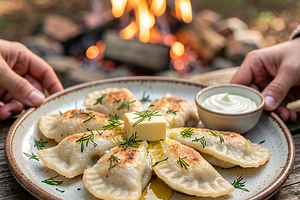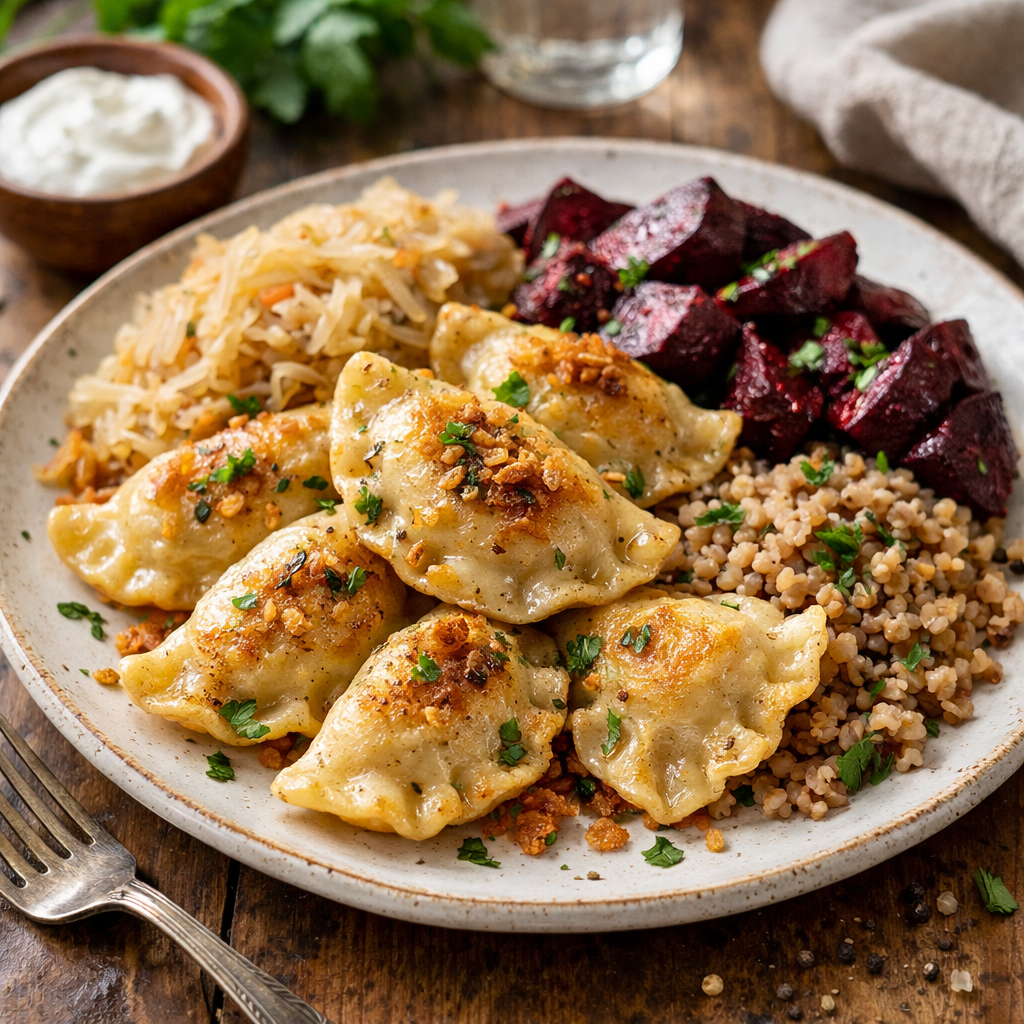
Vegetable Pierogi with Sauerkraut, Roasted Beetroot, and Buckwheat

Main Dishes Vegetarian Dishes Regional Cuisine of Poland 90 min Medium 40 wyświetleń ~15.14 PLN - (0)
Rate:
(0)
Start Cooking

Description

Delicate dumplings with an unusual winter filling: tangy sauerkraut combined with aromatic roasted beetroot and loose buckwheat, enriched with sautéed onion and cheese. This dish combines Polish tradition (sauerkraut, buckwheat) with a modern touch (roasted beet), giving it a deep color and pleasant sweetness. The dumplings can be served with butter and sautéed onion, sour cream, or as a side to broth; they work wonderfully as a main dish for a family winter dinner. Visually, the dish attracts with the intense burgundy filling contrasting with the light dumpling skin.

Ingredients Used

Ingredients (14)

Servings:
4
  • Chicken egg 2 szt. (~120 g)
  • Wheat flour 500 g
  • Water 180 ml
  • Rapeseed oil 15 g
  • Sauerkraut 300 g
  • Beets (raw) 250 g
  • Buckwheat groats 120 g
  • Onion 1 szt. (~150 g)
  • Cottage cheese 200 g
  • 🌿 Przyprawy
  • Salt 0.2 szczypt (~5 g)
  • Marjoram 2 g
  • Black pepper 4 szczypty (~2 g)
  • ✨ Opcjonalne
  • Butter 30 g
  • Sour cream 100 g
💰 Szacowany koszt dania: ~15.14 PLN (3.79 PLN/porcję)

💡 Kliknij na składnik aby oznaczyć jako użyty

Preparation steps

Cake

1

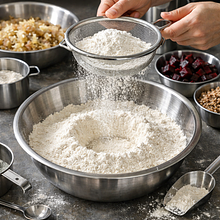
Prepare the ingredients for the dough: sift the flour into a large bowl (about 24 cm in diameter). Make a deep well in the center. In a separate container, beat the eggs with a fork, add warm (not hot) water, along with 1/3 of the salt and the oil. Pour the liquids into the well in the flour.

Use a large ceramic bowl and a wooden spoon. The water should be around 40-45°C (pleasantly warm). If you don't have a thermometer, check with the inside of your wrist.
2

Start combining the ingredients with a fork only in the liquid area, gradually incorporating the flour from the sides into the center. When the ingredients are partially combined, use your hands or a mixer with a dough hook and knead the dough for about 6-8 minutes until it becomes smooth, elastic, and stops sticking to your hands. If it is too dry, add a teaspoon of water; if too sticky, sprinkle in a little flour.

Use a mixer with a dough hook if you have one; when kneading by hand, sprinkle the countertop with a little flour. The dough is ready when it springs back firmly after being pressed with a finger.
3

Wrap the dough in plastic wrap or cover the bowl with a damp cloth and let it rest for 20 minutes at room temperature - this will allow the gluten to relax and make the dough easier to roll out.

Do not skip the resting time for the dough - too tight dough will shrink when rolling.

Filling

4

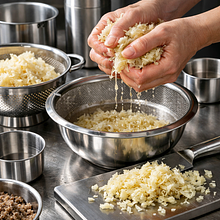
Prepare the cabbage: if it is very sour, rinse it with cold water, squeeze it in your hands, and finely chop it. Place the cabbage in a pot, add a little water (about 30 ml), and steam covered for 10-12 minutes until it softens. If the cabbage was already soft, 5 minutes is enough. After steaming, set aside to cool and squeeze out the excess liquid.

Use a medium pot with a lid and a wooden spoon. Draining excess liquid is key — a wet filling will soften the dough and may cause cracks during cooking.
5

Bake the beets: wash the beets, wrap them in aluminum foil, and bake in a preheated oven at 200°C for 45-60 minutes (depending on size) until they are soft (check with a fork). Once cooled, peel off the skin and grate on a coarse grater or cut into small cubes.

If you're in a hurry, you can boil the beets until tender in salted water (about 30-45 minutes). Roasted beet has a more intense flavor and subtle sweetness.
6

Cook the buckwheat: place the buckwheat in a sieve and rinse under running water. In a pot, bring 240 ml of water to a boil (ratio 1:2), add a pinch of salt, add the buckwheat, and cook covered on low heat for 12-15 minutes until the water is absorbed. After cooking, leave covered for 5 minutes, then fluff with a fork.

Use a small pot with a tight-fitting lid. The groats should be fluffy, not mushy.
7

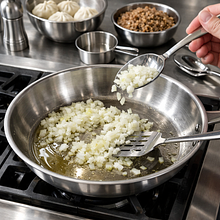
In a pan, heat a tablespoon of rapeseed oil, add chopped onion and sauté for 6-8 minutes over medium heat until golden and soft (it should be translucent with slightly browned edges). Add the prepared cabbage to the onion, mix and sauté together for 4-5 minutes to combine the flavors. Add grated beets, cooked groats, and crumbled cottage cheese. Season with marjoram, pepper, and salt to taste. Combine everything in the pan for 2 minutes, then transfer the filling to a bowl to cool.

Use a 26 cm diameter pan. If the filling is too wet, sauté a little longer to evaporate the excess moisture. The filling should be warm but not hot before spreading on the dough.

Folding the dumplings

8

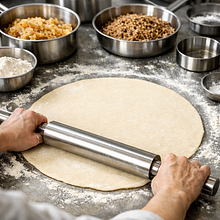
Roll out the dough on a floured surface to a thickness of about 2 mm (not too thin to avoid cracking). Use a glass with a diameter of about 7-8 cm or a cutter to cut out circles. Place a tablespoon of filling (about 10-12 g of filling per pierogi) on each circle. Fold the circle in half, press the edges together firmly with your fingers, and then crimp them with a fork or twist the edge to create a decorative fold.

Use a rolling pin and a floured countertop. Do not add too much filling — excess will cause the dumplings to burst during cooking. If the edges do not stick, moisten them with a little water.

Cooking

9

In a large pot, bring 3-4 liters of salted water to a boil (about 10 g of salt per liter). Add the dumplings in batches (not too tightly) to the boiling water. Once they float to the surface, cook for an additional 2-3 minutes. Remove with a slotted spoon and place on a plate or in a wide dish.

Use a large pot and a slotted spoon. The dumplings are ready when they float to the top and are slightly puffy for 2-3 minutes — if you are cooking frozen ones, the time will be longer (about 4-6 minutes after they float).

Sautéing and Serving

10

Optionally, sauté the dumplings in a pan: melt butter (or use 1 tablespoon of oil) over medium heat, add the cooked dumplings and fry for 2-3 minutes on each side until golden spots appear. Serve hot with a dollop of sour cream and chopped fresh parsley, or with just butter and sautéed onions.

The best pan for sautéing has a non-stick coating or is cast iron. Sautéing gives a nice crunch, but the dumplings are just as delicious without this step.

Fun Fact

💡

Pierogi are one of the most famous Polish dishes, with many regional variations. The filling of sauerkraut and beet combines traditional preserved winter vegetables with a modern addition of roasted beet.

Best for

Tips

🍽️ Serving

Serve the dumplings hot, sprinkled with fresh parsley. Serve sour cream in a separate dish so guests can season to their liking. For a flavor contrast, add a tablespoon of toasted sunflower seeds or walnuts as a topping (optional).

🥡 Storage

Store ready pierogi in the refrigerator for up to 48 hours in an airtight container. To freeze: arrange the pierogi in a single layer on a baking sheet lined with parchment paper, freeze for 1-2 hours, then transfer to a bag - they can be stored for up to 3 months. Cook without thawing - the cooking time will be extended by a few minutes.

📸 Ugotowane przez społeczność

Zaloguj się, aby dodać zdjęcie
Dodaj zdjęcie gotowej potrawy

Po zatwierdzeniu przez moderatora otrzymasz 10 punktów doświadczenia.

🍲

Nikt jeszcze nie dodał zdjęcia. Bądź pierwszy!

Comments (0)

Be the first to comment on this recipe!

Add a comment

You might also like

Recipe Categories

Main Dishes
Main Dishes in: Christmas Eve Dinner

Main courses are the heart of every meal - hearty, delicious, and full of nutrients. Meats: beef, pork, poultry, and lamb in various versions. Fish and seafood: baked, fried, grilled, and stewed. Vegetarian dishes: tofu, tempeh, legumes as the main protein. Casseroles: pasta, potato, vegetable wi...

See all recipes in this category

Vegetarian cuisine is a wealth of flavors without meat - healthy, colorful, and filling. Plant-based proteins: lentils, chickpeas, beans, peas, and soy take center stage. Cheeses and dairy: feta, halloumi, ricotta, and mascarpone in main dishes. Eggs in various forms: omelets, frittata, shakshuka...

See all recipes in this category

Traditional recipes from various regions of Poland that showcase the richness of local flavors and ingredients.

See all recipes in this category
Reklama