Lay the slices of beef on a wide cutting board, covering each slice loosely with plastic wrap. Use a meat mallet with a flat side and gently pound from the center towards the edges so that the thickness of the slice reaches about 3–4 mm. Stop every few strikes and check the thickness with your fingers — the meat should be thin and even, but not torn.
Description
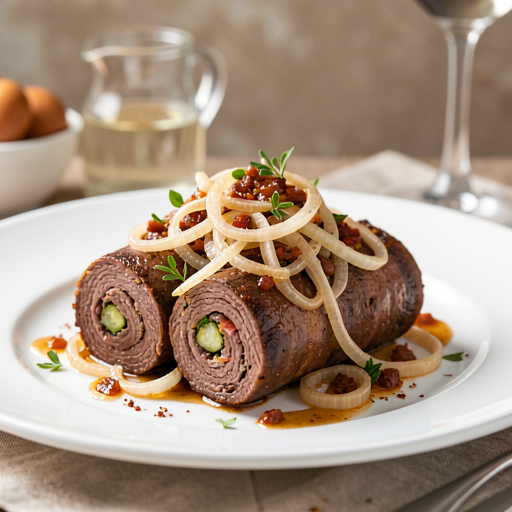
Delicate beef roulades with onion are a classic Polish family dish perfect for Easter — the meat is thinly pounded, stuffed with sweet and spicy onion (and optionally bacon and pickled cucumber), then seared and simmered in aromatic broth. The result is juicy rolls with a deep, slightly sweet sauce that pairs wonderfully with mashed potatoes, pearl barley, or a spring salad with rhubarb. The recipe includes detailed, step-by-step instructions for beginners: how to pound the meat, how to prepare the onion filling, how to roll and secure the roulades, and how to simmer to ensure the meat is tender and doesn’t dry out. Optional flavor variations and practical tips for ingredient selection are also included.
Ingredients Used
Ingredients (17)
- Beef 800 g
- Onion 2 szt. (~300 g)
- Wheat flour 40 g
- Butter 30 g
- Rapeseed oil 30 g
- Beef broth 800 ml
- Mustard 30 g
- Carrot 1.3 szt. (~100 g)
- Celery 50 g
- 🌿 Przyprawy
- Salt 0.2 szczypt (~5 g)
- Black pepper 4 szczypty (~2 g)
- Parsley 50 g
- Thyme 2 g
- Bay leaf 20 szt. (~6 g)
- ✨ Opcjonalne
- Pickled cucumber 1.2 szt. (~120 g)
- Smoked bacon 80 g
- Red wine 100 ml
💡 Kliknij na składnik aby oznaczyć jako użyty
Preparation steps
Meat preparation
On the flattened beef slice, evenly spread a thin layer of mustard (about 7–8 g per slice). In the center, place 2–3 tablespoons of onion filling (about 25–30 g). Leave a free margin of 1–2 cm on the edges to make it easier to roll.
Preparing the filling
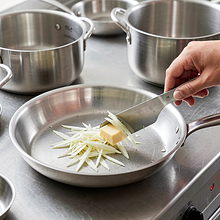
Peel the onion and cut it into thin feathers. In a large skillet, heat the butter (30 g) over medium heat. Add the onion and sauté for 10–12 minutes, stirring every 1–2 minutes, until it is soft, translucent, and begins to caramelize slightly (it will become golden and sweet). If you are using bacon, cut it into small cubes and fry it first for 3–4 minutes, until the fat is rendered, then add the onion and sauté together.
If you are using pickled cucumber — cut it into thin strips. Add the cucumber (optional) to the sautéed onion and mix. Remove the pan from the heat and set aside to let the filling cool slightly. Taste and season with a pinch of salt and a bit of pepper.
Rolling the roulades
Roll the slice of meat tightly into a cylinder, starting from the side with the filling. Secure the roll with a toothpick or tie it with kitchen twine at 2–3 intervals. For 800 g of meat, prepare 8–10 rolls depending on the size of the slices.
Preparation for frying
Heat a large skillet (preferably 26–28 cm) with rapeseed oil (30 g) over very high heat. Prepare a plate with flour for coating. Lightly dust each roll with flour on all sides — shake off the excess flour so that a thick coating does not form.
Frying the rolls
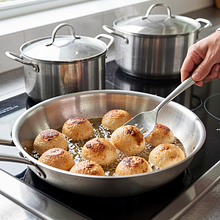
Fry the rolls in batches for 2–3 minutes on each side over high heat, until the crust is nicely browned — they should have a beautiful, deep color but not be burnt. Place the rolls on a plate and set aside for a moment.
Stewing
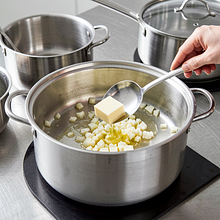
In the same heavy-bottomed pot (preferably cast iron or Roman), melt a tablespoon of butter, add the chopped carrot, celery, and parsley, and sauté for 4–5 minutes over medium heat until slightly softened. Place the rolls in the pot with the vegetables. Pour in the beef broth to cover the meat by 2/3 (about 800 ml). Add the bay leaf and thyme. If using wine, add it now (optional 100 ml). Bring to a boil, reduce the heat to very low, cover, and simmer for 80–100 minutes until the meat is tender — check occasionally; the meat is ready when a knife goes in smoothly and without resistance.
Finishing the sauce
When the meat is tender, remove the rolls to a warm plate and cover with foil. Remove the lid and cook the sauce over medium heat for 6–8 minutes to reduce and concentrate the flavor. If the sauce is too thin, dissolve 1–2 tablespoons of flour in 40 ml of cold water and pour it in a thin stream into the sauce while stirring until it thickens. Adjust salt and pepper to taste.
Assembly and serving
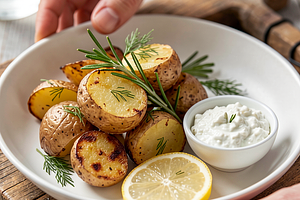
Put the roulades back in the pot for 2–3 minutes to warm up in the sauce. Arrange on plates: one or two roulades per serving, drizzle with sauce and garnish with parsley (if you have it) or fresh thyme. Serve with mashed potatoes, pearl barley, or young potatoes with dill.
Additional tips
If you want to prepare the roulades in advance: marinated and rolled roulades can be seared, cooled, and stored in the refrigerator for up to 24 hours before braising. Alternatively, braised roulades can be gently reheated in the oven at 160°C for 15–20 minutes.
Fun Fact
Zrazy have a long history in Polish and Eastern European cuisine — originally, rolled meats stuffed with various fillings were a way to utilize thin slices of meat and extract flavor from them through braising.
Best for
Tips
Serve the rolls hot, drizzled with thick sauce. Mashed potatoes with butter and dill, pearl barley with sautéed onions, or young potatoes with butter pair wonderfully with the rolls. For a flavor contrast, add a salad with rhubarb and arugula or tangy pickled cucumbers.
Store in the refrigerator in an airtight container for up to 2 days. Reheat in a pot over low heat with a little broth to prevent drying out (about 10–15 minutes). Can be frozen without sauce additions for up to 3 months — thaw slowly in the refrigerator and reheat.
📸 Ugotowane przez społeczność
Zaloguj się, aby dodać zdjęcieDodaj zdjęcie gotowej potrawy
Po zatwierdzeniu przez moderatora otrzymasz 10 punktów doświadczenia.
Nikt jeszcze nie dodał zdjęcia. Bądź pierwszy!
Comments (0)
Be the first to comment on this recipe!
Add a comment