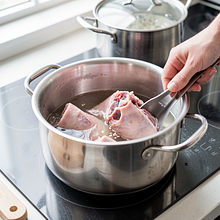
Take the hocks out of the fridge 30 minutes before cooking to reach room temperature. If the skin has thick hairs, scorch them with a kitchen torch or cut and burn them off, then rinse. Pat the hocks dry with a paper towel. Rub the hocks evenly with 10 g of salt (about 1/4 of the total amount), making sure to get the salt under the skin where possible.
Description
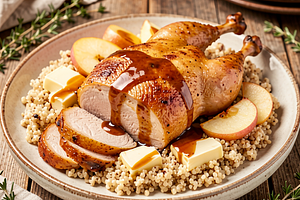
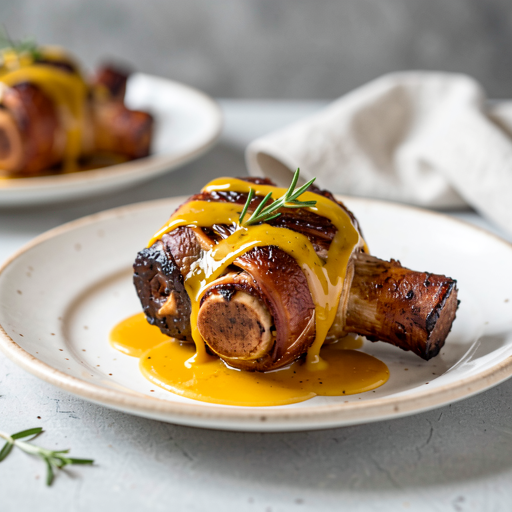
Braised pork knuckle in beer is a traditional, hearty dish of Polish cuisine, perfect as a striking centerpiece for the Easter holiday table. First, the knuckles are seared well for a caramelized skin, then slowly braised in light beer with root vegetables, bay leaves, and allspice, and finally drizzled with a honey-mustard glaze. The result is tender meat that falls apart under a fork, with a sweet-spicy skin and a deep aroma of beer and herbs. Serve with buckwheat, braised red cabbage, or horseradish for contrast. The dish is visually appealing thanks to its golden, slightly glazed skin and dark sauce reduced to a thick, glossy glaze.
Ingredients Used
Ingredients (19)
- Pork knuckle 2000 g
- Light beer 500 ml
- Onion 2 szt. (~300 g)
- Carrot 2.5 szt. (~200 g)
- Celery 100 g
- Garlic 4 ząbki (~20 g)
- Honey 50 ml
- Mustard 80 g
- Apple cider vinegar 30 ml
- Rapeseed oil 30 g
- Buckwheat groats 240 g
- 🌿 Przyprawy
- Parsley 100 g
- Bay leaf 10 szt. (~3 g)
- Allspice (berries) 6 szt. (~6 g)
- Salt 20 g
- Black pepper 6 g
- Thyme 2 g
- ✨ Opcjonalne
- Horseradish 50 g
- Parsley 1 pęczek (~30 g)
💡 Kliknij na składnik aby oznaczyć jako użyty
Preparation steps
Preparation
Sautéing
Heat a heavy cast iron pot or a roasting pan with a thick bottom over medium-high heat. Pour in the rapeseed oil. When the oil starts to lightly smoke (about 180°C) – use tongs to place the pork knuckles skin-side down. Sear each knuckle for 6-8 minutes until the skin is nicely browned and slightly shrinks. Brown the knuckles on each side for 3-4 minutes until the meat gets a nice color.
Preparing the broth
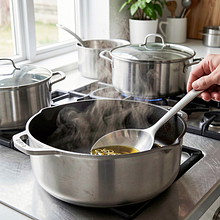
Remove the hocks to a plate. In the same pot, add the chopped onion, carrot, parsley, celery, and whole garlic. Sauté the vegetables for 6-8 minutes over medium heat until the onion becomes translucent and lightly browned. Add the bay leaf, allspice, 4/5 of the salt, and black pepper. Pour in the pale beer and 100 ml of water, scraping the burnt bits from the bottom of the pot with a wooden spatula.
Stewing
Place the shanks back into the pot so that they are partially submerged in the liquid (they should be covered to about 2/3 of their height). Add thyme and cover with a lid. Transfer the pot to an oven preheated to 160°C. Braise the shanks for 3 hours; every 45 minutes check the liquid level and baste if it has fallen below halfway up the shank. After 2 hours, turn the shanks (if they were skin-side up, turn them onto their side) to ensure even braising.
Removing and reducing the sauce
Remove the shanks from the oven and carefully transfer them to a baking sheet. Place the pot with the liquid over medium heat on the stove and cook uncovered for 10–15 minutes, until the liquid slightly reduces and thickens. Taste the sauce and add salt (the remaining amount) and pepper if needed.
Glazing
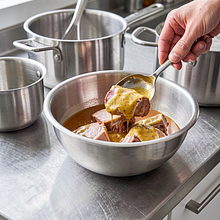
Prepare the glaze: in a bowl, mix honey, mustard, and apple cider vinegar. Brush the pork knuckles with a thick layer of glaze (use a kitchen brush). Place the pork knuckles under the oven grill for 6–8 minutes at a temperature of 200–220°C (or put them back in the oven uncovered) until the skin caramelizes and the glaze is shiny. Turn once halfway through to ensure the glaze covers evenly.
Cooking the groats
While glazing, cook the buckwheat: add the buckwheat to a pot, pour in 480 ml of salted water (ratio 1:2), bring to a boil, cover, and cook on low heat for 12–15 minutes until the buckwheat absorbs the water and is tender. After cooking, let it sit covered for 5 minutes and fluff with a fork.
Finishing and serving
Transfer the glazed hocks to a serving platter. You can strain the thickened sauce through a sieve and drizzle it over the hocks. Sprinkle with fresh parsley (optional) and serve with buckwheat and grated horseradish on the side, which will add a sharp contrast. Cut the meat in front of your guests — the meat should come off the bone easily.
Fun Fact
In ancient regions of Poland, pork knuckle was a festive meal after Easter rituals — the fatty meat and strong spices help balance the Lenten dishes. Beer as a base for braising is a folk practice that adds a malty depth and helps soften the collagen in the meat.
Best for
Tips
Serve the pork knuckle hot, preferably on a large platter. Offer side options: grated horseradish, pickled cucumbers, braised red cabbage or sauerkraut, and mustard. Recommended drinks are light beer or a light, acidic white wine. When slicing, hold the pork knuckle on a cutting board, using a sharp knife.
Store the pork knuckle and sauce separately in airtight containers in the refrigerator for up to 3 days. To reheat, warm slowly in the oven at 150–160°C covered with an addition of 50–100 ml of water or beer to prevent the meat from drying out. Do not freeze the finished dish with glaze — the glaze loses its texture after thawing; if you freeze, do it without the glaze and season after thawing.
📸 Ugotowane przez społeczność
Zaloguj się, aby dodać zdjęcieDodaj zdjęcie gotowej potrawy
Po zatwierdzeniu przez moderatora otrzymasz 10 punktów doświadczenia.
Nikt jeszcze nie dodał zdjęcia. Bądź pierwszy!
Comments (0)
Be the first to comment on this recipe!
Add a comment